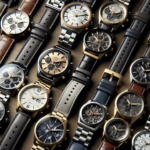

A waterproof watch is not just a functional accessory; it’s an investment that can accompany you on countless adventures, from underwater explorations to everyday life. However, while these timepieces are designed to withstand water pressure, they still require proper care to maintain their integrity and longevity. In this article, we will explore essential tips for caring for your waterproof watch, ensuring it performs optimally and looks great for years to come.
Understanding Waterproof Ratings
Before diving into care tips, it’s essential to understand the various waterproof ratings. Watch manufacturers designate waterproof capabilities with ratings generally measured in meters (m) or atmospheres (ATM). Here’s a quick breakdown:
- Water Resistant 30m (3 ATM): Suitable for light splashes and rain. Not ideal for swimming or bathing.
- Water Resistant 50m (5 ATM): Can withstand swimming in shallow water but not suitable for diving.
- Water Resistant 100m (10 ATM): Suitable for swimming and snorkeling but not for diving.
- Water Resistant 200m (20 ATM) and above: Ideal for serious diving. These are usually equipped with additional features like helium escape valves.
Understanding these ratings will guide your maintenance practices and usage. Always refer to the manufacturer’s guidelines specific to your watch model.
Regular Cleaning
Even if your watch is waterproof, it can still collect dirt, sweat, and debris that can eventually compromise seals. Regular cleaning is essential:
1. Wipe the Case and Band
Use a soft, lint-free cloth to gently wipe down the case, band, and crystal. Microfiber cloths are excellent for this purpose. This practice helps avoid scratches and keeps the watch looking new.
2. Clean the Watch After Exposure to Saltwater or Chlorine
If you take your watch into saltwater or chlorinated pools, rinse it under fresh, lukewarm water after use. This step will remove any harmful residue that could deteriorate the straps or casings.
3. Use a Soft Brush for Tough Spots
For stubborn dirt in hard-to-reach areas, like between links of metal bracelets or around the crown, a soft-bristled toothbrush can be handy. Always ensure the watch is rinsed well afterward.
Maintenance of Seals and Gaskets
Waterproof watches rely on various seals and gaskets to maintain their water resistance. Over time, these components can wear out. Here’s how to keep them in good condition:
1. Check Gaskets Regularly
Most manufacturers recommend having your watch’s water resistance tested every 1-3 years. This includes checking the condition of seals and gaskets. If you notice any signs of wear, it’s crucial to have them replaced by a professional.
2. Avoid Extreme Temperature Changes
Extreme heat or cold can impact the integrity of the gaskets. Try to avoid leaving your watch in direct sunlight or in extremely cold conditions for prolonged periods.
Be Mindful of the Crown
The crown is a critical component of your waterproof watch, and using it improperly can lead to leaks:
1. Ensure the Crown is Pushed In or Screwed Down
Always check that the crown is securely in place when not adjusting the time or setting the date. Failing to do so can expose the watch to water intrusion.
2. Avoid Operating the Crown Underwater
Unless your watch specifies that it can handle it, avoid adjusting the crown or pushers while submerged. This can compromise the waterproof seals.
Be Cautious with Water Exposure
Even the most robust waterproof watches have limitations. Here are some tips to keep in mind during water-based activities:
1. Know Your Watch’s Limits
Understand the depth rating and limitations of your watch. For instance, a watch rated for 200m is usually safe for recreational diving but may not withstand professional saturation diving.
2. Turn the Bezel (if applicable)
If your watch has a rotating bezel, make sure it’s turned before entering the water to track your time efficiently. This simple step can also prevent accidental moving of the bezel while submerged.
3. Avoid Sudden Temperature Changes
Jumping into a cold ocean after being in a hot spa can create pressure changes that could impact the seals. Try to acclimate your watch gradually to temperature changes.
Storing Your Watch Properly
When not in use, how you store your waterproof watch can influence its longevity:
1. Use a Watch Box or Pouch
Keep your watch in a dedicated watch box with cushioning material to prevent it from getting scratched or damaged.
2. Maintain a Comfortable Environment
Store your watch in a cool, dry place. Extreme humidity can affect the internal mechanisms, so aim for a storage environment free from excessive moisture.
Professional Servicing
Despite following all necessary precautions, your waterproof watch may require professional care from time to time. Here’s what to consider:
1. Regular Services
Most manufacturers recommend servicing quartz watches every 2-3 years and mechanical watches every 3-5 years. During servicing, technicians will check seals, gaskets, and overall functionality.
2. Don’t Ignore Warranty Guidelines
If your watch is still under warranty, refrain from opening it yourself. This can void the warranty. Always seek professional help if you suspect any issues.
Understanding Condensation
Condensation can form under the watch glass, indicating that moisture has entered the casing. Here’s what to do if you notice it:
1. Act Quickly
If you see condensation, avoid using the watch until it has been serviced. Moisture can cause significant damage to the movement.
2. Consult a Professional
Take the watch to a trusted jeweler or watchmaker who can assess and resolve the issue.
Conclusion
Caring for your waterproof watch involves understanding its capabilities, regular cleaning, proper storage, and professional servicing. By following these tips, you can ensure your timepiece not only remains functional but also retains its aesthetic appeal. Whether you’re snorkeling in crystal-clear waters or simply enjoying a rainy day, your waterproof watch will continue to be your reliable companion through every adventure.
While these watches are designed for durability, your commitment to care will extend their lifespan and enhance your overall experience with this valuable accessory. Dive deep into the world of watch maintenance, and your timepiece will reward you in return.