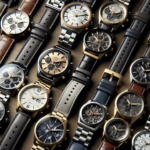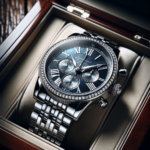

Horology, the art and science of timekeeping, has captivated humanity for centuries. From ancient sundials to the sleek, multifunctional smartwatches of today, the evolution of timekeeping mechanisms reflects a rich tapestry woven through culture, technological innovation, and craftsmanship. In the realm of luxury watches, horology transcends mere functionality, becoming a symbol of status, artistry, and meticulous innovation. This article delves into the intricate world of horology, highlighting innovative craftsmanship, the significance of luxury watches, and their impact on contemporary society.
The History of Horology
The origins of horology date back to ancient civilizations, where the desire to measure time prompted significant advancements. Early tools like obelisks and water clocks laid the groundwork for more sophisticated machinery. By the 14th century, mechanical clocks began to emerge, significantly improving accuracy. The invention of the escapement mechanism further revolutionized timekeeping, leading to the development of portable timepieces—watches.
The 18th century marked the zenith of horological artistry, particularly in Switzerland. It was during this period that iconic names like Patek Philippe and Audemars Piguet emerged, pioneering remarkable innovations in watchmaking that emphasized precision and artistry. This tradition of craftsmanship laid the foundation for today’s luxury watches, combining technical prowess with aesthetic elegance.
The Craftsmanship Behind Luxury Watches
Luxury watches are not merely timekeeping devices; they are intricate works of art that embody exceptional craftsmanship. The process involves a multitude of skilled artisans working in harmony, each contributing their expertise to create a masterpiece.
The Movements
At the heart of every luxury watch lies its movement—often considered the soul of the timepiece. Mechanical movements can be divided into two main categories: manual and automatic. Manual movements require the wearer to wind the watch regularly, while automatic movements use the kinetic energy generated from the wearer’s wrist movements to wind themselves. The complexity of these movements can be staggering, with some luxury watches containing hundreds of tiny components meticulously assembled to ensure accuracy.
Hand-Finishing Techniques
Luxury watchmaking emphasizes hand-finishing techniques that elevate the aesthetic quality of the timepiece. Techniques such as côtes de Genève (Geneva stripes), perlage (decorative pearling), and anglage (beveling) are used to enhance visible gears and surfaces. This meticulous attention to detail reflects the brand’s dedication to quality and craftsmanship. Brands like Jaeger-LeCoultre and Vacheron Constantin are renowned for their exceptional finishing, ensuring that every visible surface exhibits the highest level of artistry.
Dials and Aesthetics
The watch dial serves not only as the interface for reading time but also as a canvas for artistic expression. Luxury watch brands experiment with various materials—mother-of-pearl, enamel, and precious metals—to create visually stunning dials. Some timepieces feature intricate complications, such as moon phases and perpetual calendars, elevating their complexity and desirability. The iconic Rolex Submariner, for example, combines functionality with a timeless aesthetic, making it a sought-after piece among collectors.
Innovative Technologies in Horology
The world of horology is not static; it is continuously evolving through technological advancements. Manufacturers are embracing innovation to enhance functionality and craftsmanship, leading to the creation of groundbreaking timepieces.
The Smartwatch Revolution
The advent of smartwatches has transformed the landscape of timekeeping. While traditional luxury watchmakers focus on mechanical movements, brands like TAG Heuer and Fossil have ventured into smart technology, offering hybrid models that combine classic design with digital functionality. These timepieces allow wearers to track fitness, receive notifications, and interact with their smartphones—all while maintaining the elegance and heritage associated with mechanical watches.
Advanced Materials
Innovative materials have also stepped into the limelight, challenging traditional norms of watchmaking. Ceramics, carbon composites, and even graphene have begun to appear in luxury watches. Brands like Hublot have pioneered the use of materials like Magic Gold—a combination of gold and ceramic that offers resilience against scratches while retaining the luxurious appeal of gold. This forward-thinking approach ensures that luxury watches are not only beautiful but also durable.
Complications and Timekeeping Innovations
Complexity is a hallmark of luxury watches, with many brands engineering unique complications that push the boundaries of traditional timekeeping. Complications can include features such as tourbillons, minute repeaters, and chronographs. For instance, the Breguet Classique Tourbillon Extra-Plat brings together artistry and intricacy through its tourbillon mechanism, which compensates for positional discrepancies in accuracy.
The Cultural Significance of Luxury Watches
Luxury watches have long been symbols of status and wealth. Their intrinsic connection with success and elegance renders them quintessential accessories in various social settings. This cultural significance extends beyond mere aesthetics, portraying a narrative of power, achievement, and personal identity.
A Form of Investment
In recent years, luxury watches have increasingly become a viable investment. Driven by the scarcity of high-quality pieces and the growing interest in watch collecting, certain models have seen their values soar. Brands like Rolex and Patek Philippe have a strong resale market, with vintage models fetching astronomical prices at auctions. This trend has transformed luxury watches from simple fashion accessories into tangible assets.
Heritage and Legacy
The story behind each luxury watch often carries significant weight. The heritage of brands and the craftsmanship that goes into each piece create a sense of connection to the past. Many collectors value the narrative their timepieces encapsulate, making them more than just objects of beauty. Brands like Audemars Piguet and Omega embrace their rich histories, ensuring that every watch reverberates with tradition and passion.
Conclusion
The art of horology embodies a delicate balance between tradition and innovation, celebrating both the craftsmanship and technological evolution of luxury watches. As we explore this intricate world, it becomes clear that luxury watches are more than just timekeeping devices. They are timeless investments, pieces of art, and symbols of cultural significance. The dedication of skilled artisans and the continuous quest for innovation have solidified horology’s place in both history and contemporary society.
As we move forward, the future of horology seems bright, with the integration of traditional craftsmanship and modern technology promising to captivate generations to come. Whether one admires the intricate movements of a mechanical watch or utilizes the functionality of a smartwatch, the passion behind the art of horology will forever echo through the ticking of time.