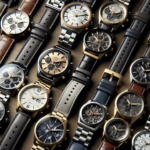
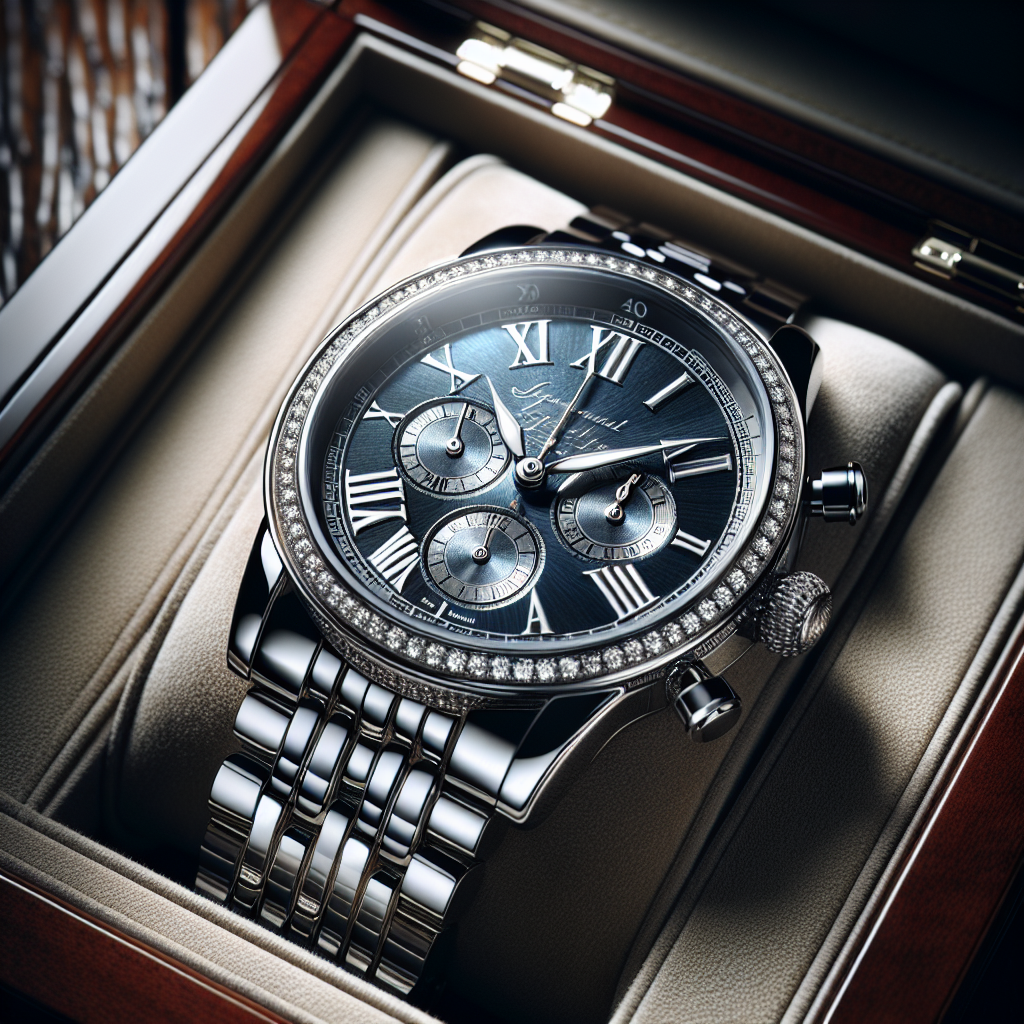
Time, an immutable dimension of our existence, is elegantly measured by one of humanity’s most intricate inventions: the wristwatch. While the concept of keeping track of time is as old as civilization itself, the craftsmanship behind high-end watches transforms mere timekeeping into wearable art, an intersection of engineering, design, and tradition. This article delves deep into the artistry of high-end watchmaking, revealing the devotion, skill, and innovation that define this prestigious industry.
The Historical Evolution of Watchmaking
To appreciate high-end watches fully, one must understand their historical context. The journey began in the 16th century when pocket watches first emerged in Europe. Crafted manually, these early timepieces were often sought after by nobility due to their intricate designs and mechanical sophistication. Over time, the evolution from pocket to wristwatches in the late 19th century marked a pivotal shift, making timekeeping accessible to a broader audience.
The 20th century witnessed the advent of quartz technology, revolutionizing the industry and leading to mass production. However, this trend created a paradox: as watches became cheaper and more ubiquitous, the demand for high-end, handcrafted pieces soared. Enthusiasts and collectors began to appreciate the artistry involved in crafting mechanical watches, giving rise to a renaissance of traditional watchmaking techniques.
The Essence of Craftsmanship
High-end watchmaking is synonymous with exceptional craftsmanship. Each timepiece is a product of meticulous attention to detail and skilled artisanship. The art begins with the selection of high-quality materials. Stainless steel, rose gold, titanium, and precious gems are carefully chosen to ensure durability and aesthetic appeal. Unlike mass-produced counterparts, high-end watches often incorporate materials like ceramic, carbon composite, or even unique metals, enhancing both their performance and luxury status.
Movement: The Heart of the Watch
At the heart of every watch lies its movement, considered the soul of the timepiece. There are primarily two types of watch movements: quartz and mechanical. High-end watches predominantly feature mechanical movements, either manual or automatic.
Manual movements require the wearer to wind the watch regularly, thus showcasing the owner’s connection to the timepiece. In contrast, automatic movements harness the power of kinetic energy generated by the wearer’s wrist movements, eliminating the need for winding.
Master watchmakers invest hours developing these intricate movements, ensuring precision and reliability. A typical mechanical movement can consist of over a hundred components, each crafted to fit seamlessly with the others. The assembly of these parts demands not only technical proficiency but also artistic vision.
Decorative Techniques
Beyond functionality, the artistry of high-end watches manifests in various decorative techniques that elevate their aesthetic appeal. Geneva stripes, perlage, and skeletonization are just a few examples of the embellishments that showcase the craftsmanship involved.
Geneva stripes, characterized by their elegant, wavy patterns, are applied to the movement plates, symbolizing luxury and refinement. Perlage, or circular graining, creates a textured visual which is often seen on the base plates. Meanwhile, skeletonization allows wearers to peer inside the watch, revealing the complexity of its inner workings, harmonizing mechanics with design.
The Design Language
The design of high-end watches goes beyond mere aesthetics; it embodies a rich narrative of tradition and innovation. Each brand carries a unique design language that reflects its heritage and philosophy. For instance, the art-deco-inspired details of a Cartier watch tell a tale of elegance and sophistication, while a diving watch from Rolex embraces durability and adventure.
Color palettes, dial shapes, and case designs serve as elements that communicate a brand’s identity. Furthermore, the ergonomic considerations in these designs ensure that while the watches are visually captivating, they also provide comfort and wearability.
Customization: The Personal Touch
The realm of high-end watches also allows for extensive customization, offering owners an avenue for personal expression. Brands often provide options for different materials, straps, and engravings, allowing for unique, tailor-made timepieces. This bespoke approach caters to individual tastes, transforming a mere accessory into a personal statement.
Sustainability and Innovation
In recent years, the luxury watch sector has embraced sustainability, reshaping its narrative to align with modern values. Watchmakers are increasingly sourcing materials responsibly and minimizing the environmental impacts of their production processes. Innovations in sustainable materials, such as recycled stainless steel and ethically sourced gemstones, are gaining traction, enabling consumers to cherish their timepieces with a clear conscience.
Furthermore, technological advances like the integration of smart features into traditional watch designs present an exciting frontier. Hybrid watches combine traditional craftsmanship with modern technology, appealing to a new generation of watch enthusiasts while maintaining the essence of luxury.
The Collectors’ Culture
High-end watches often become a passion for collectors, driven by a blend of admiration for engineering and the thrill of ownership. Limited editions and vintage pieces become coveted items, often appreciating in value over time. Brands like Patek Philippe and Audemars Piguet create not just watches but heirlooms, blending art and investment.
The collector’s culture also glorifies the stories behind each timepiece. From the historical significance of certain models to the achievements of notable wearers, these narratives enrich the experience of owning a high-end watch. Auctions featuring rare models can yield staggering results, reflecting the intense demand for these artifacts of craftsmanship.
Conclusion
High-end watches are more than just timekeepers; they are masterpieces representing the intersection of art, engineering, and personal identity. From the history of watchmaking to contemporary innovations, the craftsmanship behind these timepieces captivates enthusiasts and collectors alike. As the industry navigates modern challenges while honoring traditional techniques, high-end watches will continue to evolve, reminding us that, in the end, time is a valuable resource to be cherished. Each tick of a high-end watch is a testament to the dedication, skill, and passion sewn into every facet of its design and functionality.
In an increasingly fast-paced world, high-end watches serve as a beacon of enduring craftsmanship, inviting us to embrace the artistry behind time. The journey of discovering these mechanical marvels is a celebration of humanity’s relentless pursuit of perfection—a journey that, much like time itself, is timeless.