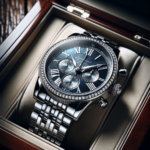
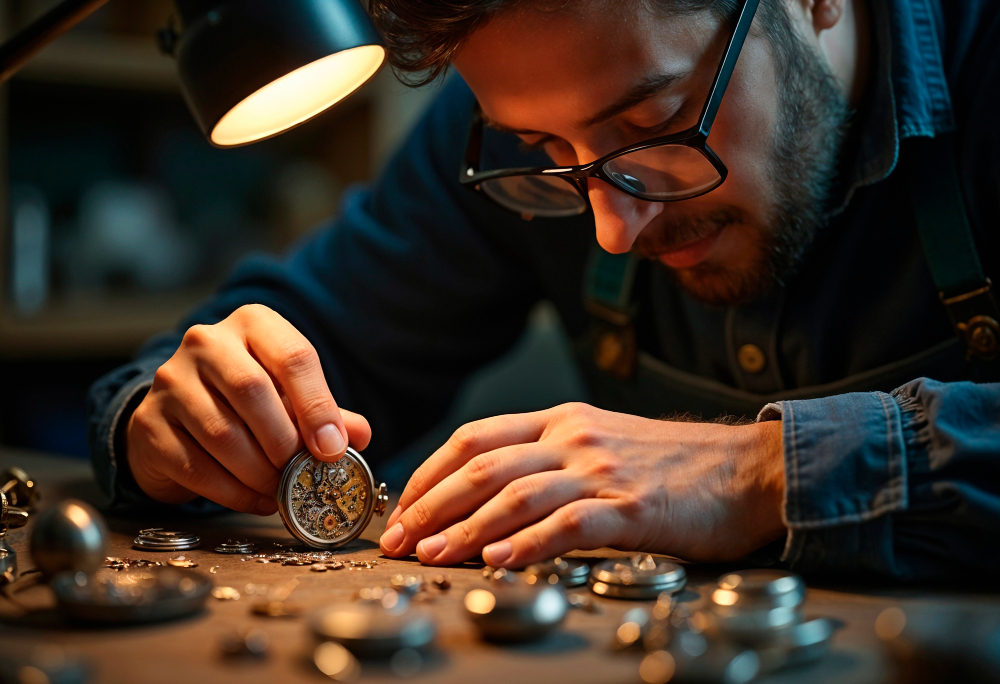
The art of mechanical watchmaking is often described as a perfect fusion of science, artistry, and a deep-rooted tradition that captivates both enthusiasts and casual observers. While the digital world appears to dominate our fast-paced lives, mechanical watches continue to hold a revered place in horology, the study, and measurement of time. This article embarks on a journey through the intricate world of mechanical watchmaking, shedding light on its history, the craftsmanship involved, and what makes these timepieces so special.
A Brief History of Mechanical Watchmaking
The origins of mechanical watches can be traced back to the Middle Ages, with the first timekeeping devices emerging in the 13th century. Initially, these were large, rudimentary clocks placed in towers, which lacked the precision and portability we associate with modern timepieces. The real evolution began in the 16th century in Europe, particularly in Switzerland, a region that would become synonymous with high-quality watchmaking.
The introduction of the mainspring – a coiled spring that stores energy – in the 15th century marked a pivotal change in horology, allowing watches to become smaller and more accurate. By the 17th century, advancements such as the balance wheel and escapement mechanism improved time accuracy significantly. This era ushered in the golden age of craftsmanship, wherein skilled artisans began to produce intricate mechanisms housed in beautifully designed cases.
The Anatomy of a Mechanical Watch
To appreciate the artistry of mechanical watchmaking, one must understand its fundamental components:
-
-
Movement: The heart of any watch, the movement (or caliber) is a complex assembly of gears, springs, and levers. There are two main types of mechanical movements: manual and automatic. Manual movements require the wearer to wind the watch regularly, while automatic movements harness the energy from the wearer’s wrist motion.
-
-
-
Mainspring: The mainspring is the main power source of a mechanical watch. It stores potential energy which is released gradually to drive the movement.
-
-
-
Escapement: This is crucial for regulating the release of energy from the mainspring, ensuring the watch ticks at a steady pace. The escapement includes components such as the pallet fork and the escape wheel.
-
-
-
Balance Wheel: Acting like a pendulum, the balance wheel oscillates back and forth, controlling the movement’s speed and accuracy.
-
-
-
Case and Dial: The outer casing protects the inner mechanics while also providing aesthetic appeal. The dial displays the time and often includes additional complications like a date function or chronograph.
-
-
-
Glass: Typically made of sapphire crystal, the glass protects the dial from scratches and damage while offering optimal visibility.
-
The Artisan’s Craft
The creation of a mechanical watch is a labor-intensive process that often requires years of apprenticeship. Watchmakers, who are often trained in the fine arts of engineering and craftsmanship, utilize both traditional and modern techniques to assemble these intricate timepieces. Here are some key aspects of the craft:
Precision Engineering
Every component of a mechanical watch is crafted with exacting precision. Tolerances can be as tight as a few microns. The intricate interplay of gears and levers means that even the smallest error can lead to significant inaccuracies.
Handcrafted Elements
While many watchmakers employ advanced machinery, the finest watches still incorporate hand-finished components. Techniques like engraving, polishing, and skeletonization are used to enhance beauty and individuality, turning each piece into a unique work of art.
Complications in Watchmaking
The term “complication” in watchmaking refers to any feature beyond the basic display of hours and minutes. Complicated timepieces can include features like:
-
- Chronographs: Watches that can function as timers.
-
- Perpetual Calendars: Complications that can track the date even accounting for leap years.
-
- Tourbillons: A rotating cage that houses the escapement, designed to improve accuracy.
Creating these complications requires exceptional skill and a deep understanding of mechanics, making them highly sought after by collectors.
The Allure of Mechanical Watches
What is it about mechanical watches that captures the imagination? For many, it’s a combination of craftsmanship, heritage, and the simple yet profound artistry involved. Here are a few reasons why these timepieces continue to be held in high esteem:
Emotional Connection
Owning a mechanical watch is often more than just having a tool for telling time; it’s about the story behind it. The craftsmanship and time invested in creating a mechanical watch create an emotional bond, as the owner knows the history, skill, and artistry it embodies.
A Timeless Investment
Mechanical watches retain value remarkably well compared to their quartz counterparts. Many brands produce limited editions or luxury models that can appreciate over time, making them not only a fashion statement but also a wise investment.
Aesthetic Appeal
The intricate designs of mechanical watches, combined with their complications, create visually stunning pieces. From classic circular designs to bold, contemporary shapes, there is a mechanical watch for virtually every style preference.
Future of Watchmaking
Despite the rise of smartwatches and digital technologies, the future of mechanical watchmaking looks bright. The demand for artisanal craftsmanship continues to grow, with a new generation of watch enthusiasts seeking authenticity. Moreover, innovative materials and techniques are being adopted to enhance performance and durability, ensuring that this age-old art remains relevant in the modern world.
FAQs
Q1: What is the difference between automatic and manual mechanical watches?
A1: Automatic watches wind themselves using the motion of the wearer’s wrist, while manual watches require the wearer to wind the mainspring manually.
Q2: How long can a mechanical watch run without being worn?
A2: This depends on the watch’s reserve power. Most mechanical watches can run for 48 to 72 hours after being fully wound.
Q3: Why are mechanical watches so expensive?
A3: The high cost is due to the craftsmanship, intricate engineering, and high-quality materials used. Many luxury brands also have a rich heritage and limited production runs, which contribute to their value.
Q4: How often should a mechanical watch be serviced?
A4: It is advisable to service a mechanical watch every 3 to 5 years to ensure optimal performance and longevity.
Q5: Can mechanical watches be waterproof?
A5: Yes, many mechanical watches are designed with waterproof features. However, the level of water resistance varies, so it’s essential to check the manufacturer’s specifications.
In conclusion, mechanical watchmaking remains a captivating blend of art and science, showcasing the apex of human creativity and skill. As we continue to navigate a digital future, the allure of these kinetic masterpieces—crafted with passion and precision—will undoubtedly endure. Whether worn for utility, status, or simply as a piece of art, mechanical watches continue to tell time in the most enchanting of ways.