In the intricate world of horology, timepieces are more than mere instruments for telling time; they are the embodiment of craftsmanship, artistry, and engineering excellence. For collectors, maintaining these exquisite watches often requires a deeper understanding of their mechanics and care. One essential accessory that can enhance the longevity and performance of automatic watches is the watch winder. This article explores the art of watchkeeping, detailing why every collector should consider incorporating a watch winder into their collection.
Understanding Automatic Watches
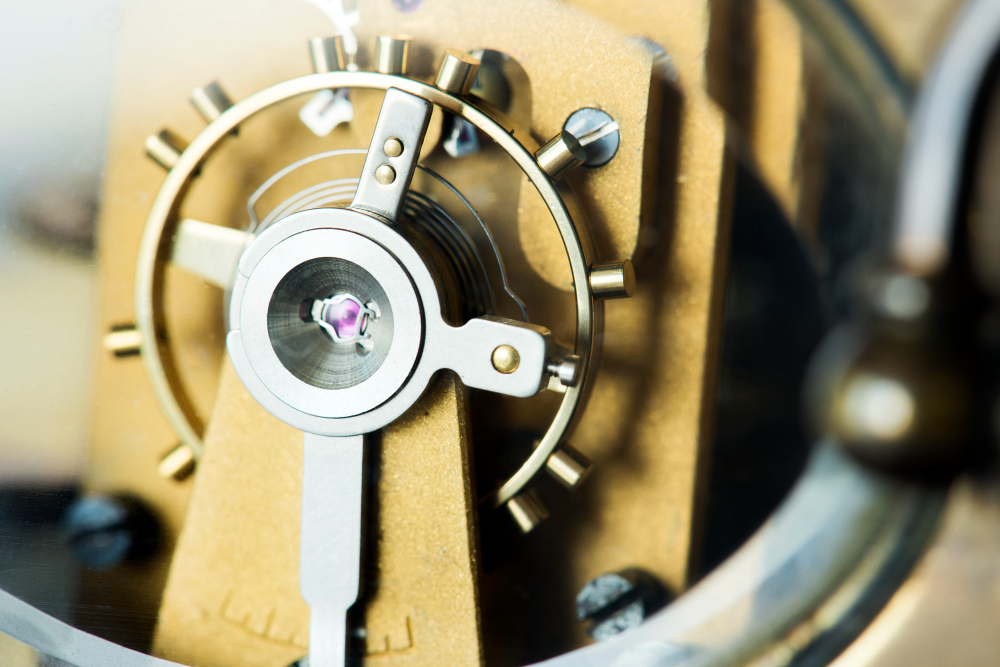
Automatic watches, often referred to as self-winding watches, are designed to wind themselves through the natural motion of the wearer’s wrist. Inside these timepieces is a rotor—a semicircular weight that moves as the wrist turns, winding the mainspring and powering the watch. However, when left unworn for extended periods, these intricate machines can stop functioning, necessitating manual winding or resetting.
The Importance of Regular Winding
Regularly winding an automatic watch is crucial for several reasons. It ensures that the lubricants remain evenly distributed within the movement, which helps preserve its intricate mechanics. Additionally, many automatic watches feature complications such as date displays or chronographs that become inoperable if left unwound. Hence, collectors often find themselves needing to wind their watches frequently, which can be cumbersome and time-consuming.
Enter the Watch Winder
A watch winder is a device designed to keep automatic watches wound when they are not being worn. These devices simulate the motion of a wrist, enabling the rotor to turn and maintain the watch’s functionality. Watch winders come in various styles, sizes, and functionalities, catering to collectors with diverse needs.
Benefits of Using a Watch Winder
-
Preservation of Movement: The primary function of a watch winder is to maintain the movement of automatic watches. By simulating wrist movement, a winder ensures that the lubricants within the watch do not become stagnant, thereby prolonging the life of the timepiece.
-
Convenience: For serious collectors who may change watches frequently, a winder offers unparalleled convenience. No more struggling with manual winding or resetting complications; simply store the watch in the winder and let it do the work.
-
Organization and Display: Many watch winders are designed to look elegant and can double as display cases. This adds an aesthetic touch to a collection, showcasing the beauty of each watch while keeping them in pristine condition.
-
Battery Life for Quartz Watches: While primarily designed for automatics, some watch winders can also accommodate quartz watches that utilize a battery. By keeping them in a winder, you can preserve battery life and ensure they remain functional.
-
Prevention of Moisture and Dust: Storing watches in a watch winder protects them from environmental factors such as dust and moisture, which can adversely affect their performance and appearance over time.
Types of Watch Winders
Watch winders come in various forms, each designed to cater to specific collector needs:
-
Single Watch Winders: Ideal for those who own one automatic watch, these compact devices are perfect for individual use and typically feature adjustable settings to match the specific needs of the watch.
-
Multi-Watch Winders: Designed for collectors with multiple watches, these units can house anywhere from two to several dozen watches. Multi-watch winders often come with programmable settings, allowing different watches to be wound according to their specific requirements.
-
Travel Watch Winders: Compact and lightweight, travel winders are designed for on-the-go collectors. They ensure that watches remain wound during travel while being easy to store in luggage.
-
Luxury Winders: Some collectors opt for high-end, luxury watch winders constructed from premium materials. These often feature advanced programming options, sophisticated designs, and can serve as stunning display pieces.
Choosing the Right Watch Winder
When selecting a watch winder, collectors should consider several factors:
-
Compatibility: Ensure that the winder is compatible with your specific watch model and size. Different watches have varying winding requirements, and the winder should be able to meet those needs.
-
Programmable Settings: A good winder will allow you to customize the direction and turns per day (TPD) to mimic the movement experienced on a wrist.
-
Build Quality: Pay attention to the materials and construction quality. A well-built winder not only performs better but also serves as an elegant display piece.
-
Noise Level: Some winders can be noisy during operation. Look for reviews and specifications to find quiet models, especially if it will be placed in a bedroom or office.
-
Power Source: Many winders operate on AC power, but others offer battery operation for flexibility during travel. Choose a power source that suits your lifestyle.
Maintenance of Your Watch Winder
To ensure longevity and optimal performance from your watch winder, consider the following maintenance tips:
-
Regular Cleaning: Dust and debris can accumulate over time. Periodically clean the exterior and the interior compartments with a soft cloth.
-
Lubrication: Some watch winders may require lubrication of the motor. Follow the manufacturer’s guidelines for maintaining the internal mechanisms.
-
Storing the Winder: If not in use, keep the winder in a cool, dry place, away from direct sunlight and extreme temperatures to prevent any damage to the mechanisms.
Conclusion
The art of watchkeeping goes beyond merely owning beautiful timepieces; it involves understanding how to care for and maintain them. For collectors of automatic watches, a watch winder is an invaluable tool that preserves the intricacies of these masterpieces. By ensuring that watches remain wound, collectors can appreciate their precision, style, and heritage without worrying about the rigors of time.
FAQs
Q: Can I use a watch winder for quartz watches?
A: While watch winders are primarily designed for automatic watches, some can accommodate quartz watches to preserve battery life.
Q: How many turns per day should a watch be wound?
A: The turns per day (TPD) required varies by watch. Most modern watches need between 600 to 1,200 TPD. Consult the manufacturer’s specifications for specific guidelines.
Q: Is a watch winder necessary?
A: It is not strictly necessary, but a watch winder significantly enhances the convenience of maintaining automatic watches, ensuring they remain fully functional.
Q: How much should I expect to spend on a good watch winder?
A: Prices vary widely, ranging from around $50 for basic models to several thousand dollars for luxury options. Consider your needs and budget when choosing.
Q: Can I leave my watch in the winder indefinitely?
A: Generally, it is safe to leave a watch in a winder, but it’s wise to monitor the watch’s performance and take it out periodically to avoid any long-term issues with the movement.
Incorporating a watch winder into your collection can ensure that your timepieces remain as functional and exquisite as the day you acquired them, allowing you to focus on what truly matters: the enjoyment of fine horology.