Timekeeping has always been a fundamental part of human civilization, playing a crucial role in shaping our lives and societies. From sundials to atomic clocks, the methods used to measure and record time have evolved dramatically. Among the most significant advancements in this evolution are digital watches, which have transformed not only how we tell time but also how we interact with technology in our daily lives.
The Historical Context of Timekeeping
The journey of timekeeping dates back to ancient civilizations. The Egyptians used sundials, and the Babylonians created water clocks. Mechanical clocks emerged in the Middle Ages, marking a pivotal shift in the ability to measure time with precision. It was during this era that the first clock towers were built, allowing communities to synchronize their activities.
The 17th century saw the invention of the pendulum clock by Christiaan Huygens, which dramatically improved accuracy. However, it was not until the development of the pocket watch in the 18th century that personal timekeeping truly took off. Pocket watches became status symbols, showcasing craftsmanship and precision. The advent of mass production in the 19th century made watches accessible to the general public, leading to a growing culture around timepieces.
The Birth of the Digital Watch
The introduction of digital watches in the late 20th century represented a groundbreaking moment in the history of timekeeping. The first battery-operated digital watch, the Hamilton Pulsar, was released in 1970. It utilized a liquid crystal display (LCD) and offered unprecedented accuracy and convenience. This innovation marked a departure from traditional analog watches, which relied on gears and springs.
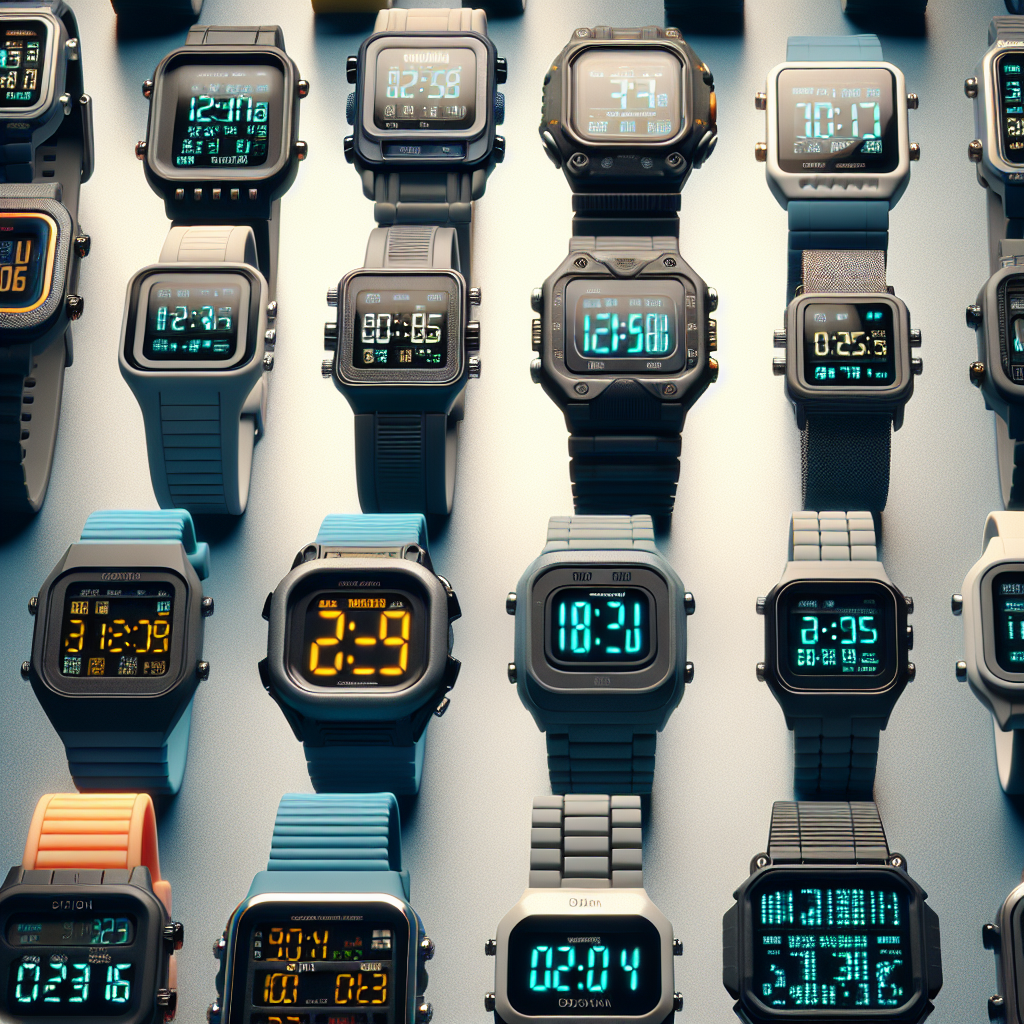
Digital watches appealed to a new generation. They offered features that analog watches could not, including light-up displays and programmable alarms. The LCD technology allowed for the display of time in both a 12-hour and 24-hour format, making it easier for people to read the time at a glance.
The Technological Advancements of the Digital Era
The evolution of digital watches can be divided into several key phases.
Early Digital Models
The first digital watches were relatively simple in functionality, primarily designed to display time. However, as technology advanced, features such as calendars, stopwatches, and timers became commonplace. Brands like Seiko and Casio seized the opportunity to innovate, creating watches that appealed to athletes, adventurers, and everyday users.
Quartz Revolution
The 1970s marked the onset of the quartz revolution, with the introduction of quartz technology in timekeeping. Quartz watches, which used a small piece of quartz crystal to regulate the timekeeping mechanism, were far more accurate than their mechanical counterparts. The combination of quartz technology and digital displays allowed for watches that could keep time with remarkable precision, often deviating by just a few seconds each month.
Multi-functional Displays
As miniaturization and technology advanced, digital watches began to feature multi-functional displays. Casio’s G-Shock series, introduced in the 1980s, exemplified this shift. G-Shock watches were not only shock-resistant but also included features like countdown timers, altimeters, and water resistance. These multifunctional digital watches rapidly became essential tools for athletes and outdoor enthusiasts.
Integration with Technology
The evolution of digital watches didn’t stop with enhanced functionalities. In the 21st century, the integration of digital watches with personal technology transformed them into smart devices. The launch of the Apple Watch in 2015 marked a watershed moment in the wearables revolution. Smartwatches combined the timekeeping capabilities of traditional timepieces with the connectivity and applications of smartphones. Users could track their fitness, receive notifications, and even manage their schedules from their wrists.
Cultural Impact of Digital Watches
Digital watches have profoundly influenced culture, style, and functionality. They have democratized timekeeping, making it accessible to virtually everyone. No longer just the realm of the wealthy, watches became ubiquitous symbols of personal style. Brands released models that appealed to various demographics, from sporty and rugged to sleek and sophisticated.
Moreover, the success of digital watches underscored a societal shift towards functionality and efficiency. People began to value technology that could simplify their lives. The focus shifted from pure craftsmanship to innovative features, allowing watches to adapt to modern lifestyles.
The Future of Timekeeping
Looking ahead, the evolution of digital watches shows no signs of slowing. Emerging technologies like artificial intelligence and machine learning promise to further enhance the capabilities of wearable devices. Future digital watches may offer predictive health metrics, integrating more deeply with our daily activities.
Additionally, the rise of the Internet of Things (IoT) suggests that digital watches will increasingly connect with other smart devices, creating an interconnected ecosystem. Imagine a future where your watch not only tracks your physical activity but also adjusts your home’s climate, manages your daily schedule, and monitors your health metrics, all in real time.
The Enduring Appeal of Analog Watches
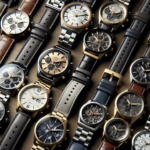
Despite the dominance of digital technology, analog watches still hold a significant place in the timekeeping landscape. For many, the tactile experience of winding a mechanical watch and the craftsmanship involved in creating it remains unparalleled. The allure of traditional watches lies in their artistry and heritage, and they continue to captivate collectors and enthusiasts.
This duality represents a fascinating aspect of timekeeping’s evolution. The coexistence of digital and analog watches indicates that neither will completely replace the other. Instead, they will continue to adapt to the needs and preferences of consumers, offering choices for different lifestyles and occasions.
Conclusion
The evolution of timekeeping, marked by the advent of digital watches, encapsulates a significant chapter in human history. From ancient sundials to the smartwatches of today, our relationship with time has transformed significantly, reflecting broader shifts in technology and society. Digital watches have not only changed how we keep time but also how we navigate our increasingly complex, technology-driven lives.
As we look ahead, it’s clear that the journey is far from over. Innovations promise to further revolutionize how we perceive and interact with time, blending artistry, functionality, and technology in ways we can only begin to imagine. The evolution of timekeeping, particularly through the lens of digital watches, is a testament to humanity’s relentless pursuit of progress and efficiency.