Watches have transcended their original purpose of merely telling time; they have become a critical aspect of personal style, a statement of status, and sometimes even an heirloom. Choosing the perfect watch can be overwhelming, given the myriad options available. Whether you’re a seasoned collector or a first-time buyer, this guide will help you navigate the world of watches, ensuring that you make a choice that aligns with your needs and lifestyle.
Understanding the Types of Watches
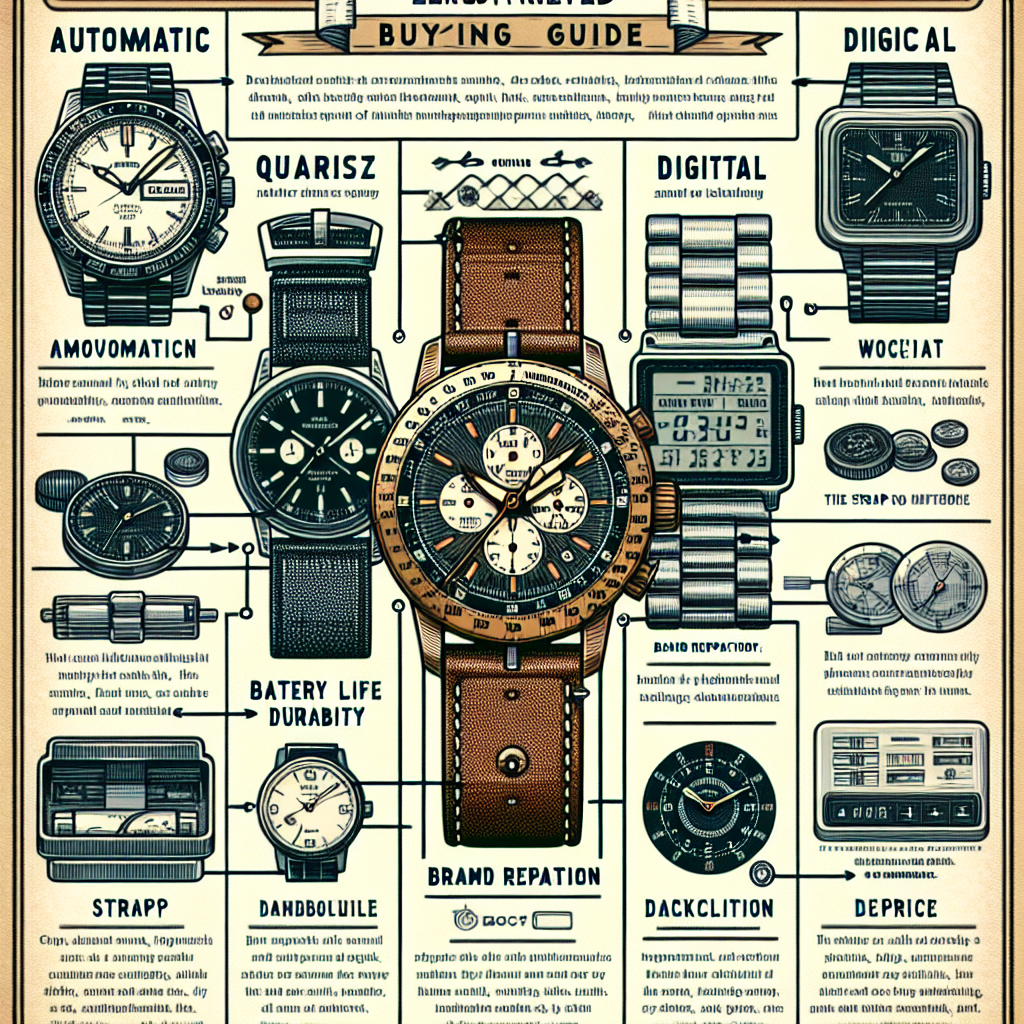
Before diving into the selection process, it’s essential to understand the different types of watches available:
-
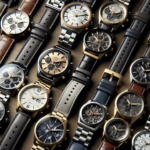
Analog Watches: Traditional timepieces that display time using hands on a dial. They can be further categorized into:
- Mechanical Watches: Powered by a mechanical movement, these watches can be wound manually or automatically.
- Quartz Watches: These use a battery for power and are renowned for their accuracy.
-
Digital Watches: Featuring LED or LCD displays, these watches offer various functionalities, such as alarms and backlighting.
-
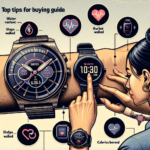
Smartwatches: Equipped with advanced technology, smartwatches sync with smartphones and offer tracking features, notifications, and even apps.
-
Diving Watches: Built to withstand underwater pressure, these watches often include features like water resistance and rotatable bezels.
-
Dress Watches: Sleek and elegant, designed for formal occasions. They often feature minimalist designs and high-quality materials.
Defining Your Budget
Establishing a budget is crucial before you start browsing. Watches range from affordable to exorbitantly priced luxury models. Assess your financial situation and consider what you are willing to spend. For those on a tight budget, consider brands known for quality and value, while luxury seekers might look at Swiss brands known for craftsmanship and heritage.
Determining Your Style
A watch should be a reflection of your personality and lifestyle. Here are some styles to consider:
-
Casual: If you need something for everyday wear, consider a durable and comfortable watch. Options include leather straps for a laid-back look or a sport watch for a more rugged feel.
-
Formal: Dress watches are ideal for business meetings or formal events. Look for understated designs with a classic metal or leather strap.
-
Sport: If you’re active or enjoy outdoor activities, prioritize features like water resistance, durability, and functionality—such as a stopwatch or GPS.
-
Fashion-forward: Some watches are designed primarily as fashion statements. Look for unique designs and colors that complement your wardrobe.
Considering Size and Fit
The size of the watch is essential for comfort and aesthetic. Smaller watches (under 36mm) tend to suit those with slimmer wrists, while larger watches (over 42mm) may be better for individuals with larger wrists.
Additionally, consider the strap material and length. Leather, stainless steel, silicone, and nylon offer diverse options, and a good fit ensures the watch feels comfortable throughout the day.
Evaluating Features
When selecting a watch, consider what features matter most to you. Here are some to think about:
-
Water Resistance: If you swim or dive, look for watches with a minimum of 100 meters’ water resistance.
-
Movement: The type of movement (mechanical vs. quartz) affects accuracy and maintenance. Mechanical watches require servicing every few years, while quartz is low-maintenance.
-
Complications: Features like chronographs, moon phases, and perpetual calendars add functionality but can also increase complexity.
-
Smart Features: For those leaning towards smartwatches, explore compatibility with your smartphone and the apps available.
Material Matters
The materials used in a watch affect its durability, comfort, and appearance.
-
Stainless Steel: Commonly used for both cases and bracelets, stainless steel is durable and resistant to corrosion.
-
Titanium: Lightweight and strong, titanium offers a unique look but often at a higher price point.
-
Gold: Often reserved for high-end watches, gold can add a touch of luxury but is typically heavier and more expensive.
-
Sapphire Crystal: High-quality watches often use sapphire crystal for the lens, known for its scratch resistance.
Choosing the Right Brand
Brand reputation can significantly influence your purchasing decision. Renowned brands like Rolex, Omega, and TAG Heuer are symbols of luxury and craftsmanship. However, many other brands, such as Seiko, Citizen, and Fossil, offer quality and design at more accessible price points. Research and read reviews to gauge the experiences of other customers.
Authenticity and Resale Value
As with any significant investment, ensure that you’re purchasing an authentic watch from a reputable retailer. Be wary of deals that seem too good to be true.
If you think you may one day want to sell your watch, consider its resale value; certain brands and models appreciate over time, while others may not hold their value as well. Researching market trends can help guide your decision.
Maintenance and Care
To prolong the life of your watch, proper maintenance is essential. For mechanical watches, regular servicing every 3-5 years is recommended. For quartz watches, battery replacement is typically needed every few years.
Keep your watch clean and handle it carefully to avoid scratches. If you own a diving watch, make sure to check the seals periodically to ensure water resistance.
Final Thoughts: Making Your Choice
Choosing the perfect watch is about more than just looking good; it’s about finding a piece that resonates with your style, serves your needs, and fits your life. Take your time, do your research, and don’t rush the decision.
Visit local boutiques, try on several styles, and familiarize yourself with different features. Online shopping offers convenience, but seeing the watch in person can significantly impact your choice.
Remember, a watch is more than just an accessory; it’s a companion that can accompany you through various moments in life. Choose wisely, and your watch will be a reflection of your journey, reminding you to treasure every second.