Timeless Innovation: Unveiling the Latest in Luxury Watch Design
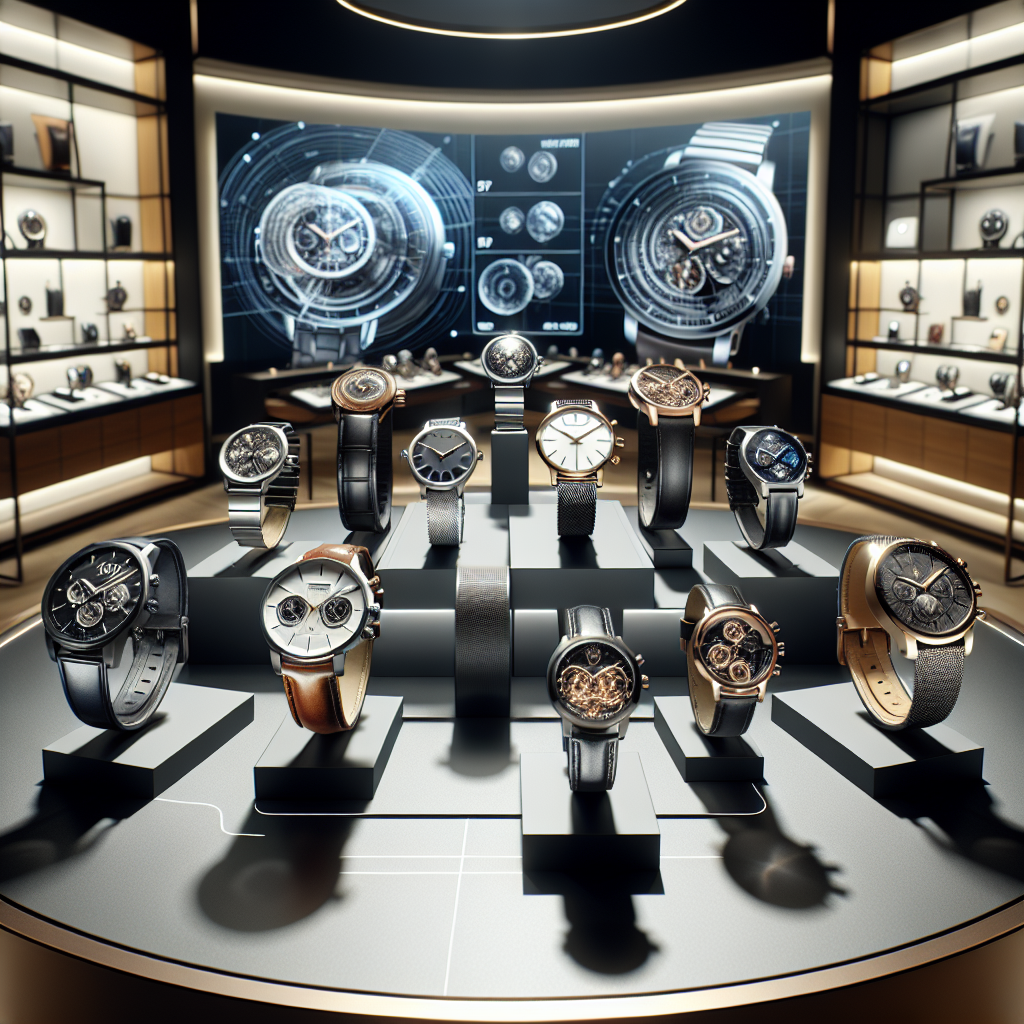
In the ever-evolving world of luxury watches, innovation and tradition coexist in a delicate balance. While the principles of craftsmanship and artistry underpin the creation of high-end timepieces, modern technologies and design philosophies continually reshape the landscape. The allure of luxury watches lies not only in their aesthetic appeal but also in the story they tell—a narrative woven through history, culture, and cutting-edge innovation. This article explores the latest trends and innovations in luxury watch design, demonstrating how the industry honors timelessness while embracing the future.
The Fusion of Tradition and Technology
Luxury watchmaking is steeped in tradition, with many prestigious brands tracing their roots back over a century. Renowned names like Patek Philippe, Audemars Piguet, and Rolex are celebrated for their historical significance and craftsmanship. However, in the 21st century, the evolution of technology has opened new avenues for creativity and functionality.
Modern luxury watchmakers increasingly incorporate advanced materials such as carbon nanotubes, ceramic composites, and titanium in their designs. These materials not only enhance durability but also allow for innovative forms and lighter weights, appealing to a more diverse audience. For instance, TAG Heuer’s use of cutting-edge carbon and lightweight materials has redefined sporty elegance, catering to both horology enthusiasts and style-conscious consumers.
Sustainability: The New Luxury
As environmental concerns gain traction worldwide, sustainability has become a crucial element in luxury watch design. Consumers are becoming more conscious of the sourcing and manufacturing processes behind their purchases. Brands are responding by implementing eco-friendly practices, such as using recycled materials, minimizing waste, and ensuring ethical sourcing of raw materials.
One notable example is Panerai, which has embraced a philosophy of sustainability while maintaining its luxurious appeal. The brand has introduced watches featuring vintage titanium, sourced from its own manufacturing processes, alongside other eco-conscious materials. Their limited editions, which focus on ocean conservation, not only highlight their commitment to sustainability but also resonate with consumers’ values.
The Rise of Smart Luxury Watches
As technology continues to integrate into everyday life, the watch industry is witnessing the emergence of smart luxury watches. Combining traditional craftsmanship with state-of-the-art technology, these timepieces offer functionalities beyond merely telling time. Brands like TAG Heuer and Montblanc have launched smartwatches that encapsulate the sophistication of luxury while catering to tech-savvy consumers.
The TAG Heuer Connected, for example, merges the classic design elements of traditional watches with the functionality of modern smartphones, offering GPS tracking, notifications, and fitness tracking. Luxury watchmakers are increasingly recognizing the potential of smart technology, appealing to younger generations who value innovation alongside heritage.
Artistic Expressions: The Renaissance of Craftsmanship
While innovations pave the way for new designs, the artistry of watchmaking remains a fundamental aspect of luxury timepieces. Brands are emphasizing artisanal craftsmanship, breathing life into timepieces through intricate designs and meticulous detailing. Techniques such as skeletonization, enameling, and hand-engraving are experiencing a renaissance, captivating collectors and aficionados alike.
For instance, Vacheron Constantin has revived traditional métiers d’art (artistic crafts) in their collections, showcasing the beauty of craftsmanship through limited editions that exhibit exceptional artistry. These pieces pay homage to centuries-old techniques while integrating modern design sensibilities, creating wearable art that transcends mere functionality.
Customization and Personalization
In a world where individuality is paramount, many luxury brands are embracing customization as a way to differentiate their offerings. Clients now seek unique pieces that reflect their personal style and story. Watchmakers are responding by allowing customers to customize elements such as materials, colors, engravings, and complications.
Brands like Rolex and Audemars Piguet have introduced bespoke services, allowing clients to tailor watches to their preferences, resulting in one-of-a-kind masterpieces that embody personal narratives. This move toward personalization not only enhances the emotional connection between the wearer and their timepiece but also signifies a shift in consumer expectations within the luxury market.
The Mechanical Marvels: Complications and Innovations
One of the hallmarks of luxury watches has always been the complexities that live within their movements. Watchmakers invest years perfecting intricate complications—functions beyond simple timekeeping—such as tourbillons, perpetual calendars, and minute repeaters.
Complicated watches are at the forefront of luxury innovation, often viewed as mechanical works of art. Brands like Jaeger-LeCoultre continue to push the boundaries of horological engineering, unveiling advancements that enhance precision and complexity. The mastery involved in creating these innovations speaks to both skill and a commitment to excellence, capturing the fascination of watch enthusiasts.
The Power of Storytelling
In luxury watch design, storytelling is a powerful tool that enhances a brand’s identity. Whether it’s a homage to historical events, cultural influences, or technological feats, the narrative behind each piece adds depth and allure. Brands like Omega flourish by promoting their connections to space exploration, sporting events, and iconic figures, fostering emotional connections with consumers.
Moreover, the emergence of social media and digital marketing has allowed brands to share these stories compellingly and interactively. Through engaging content, brands can showcase the craftsmanship and innovation that go into each timepiece, further elevating consumer interest.
Conclusion: A Timeless Future
As luxury watch design continues to evolve, the interplay between innovation and tradition will remain a defining characteristic of the industry. While cutting-edge materials and smart technology reshape the landscape, the artistry and craftsmanship that have defined luxury watches will endure.
The latest trends in luxury watch design suggest a future where sustainability, personalization, and storytelling take center stage, creating an enriched consumer experience. As brands navigate this duality of tradition and modernity, watch enthusiasts can expect a dynamic fusion of timeless elegance and innovative spirit that will define the next era of horological excellence.
In a world where time is of the essence, luxury watches offer more than just an instrument for keeping time; they provide a glimpse into the past, an appreciation for the present, and a promise for the future—a magical synthesis of heritage and innovation that will continue to captivate generations to come.