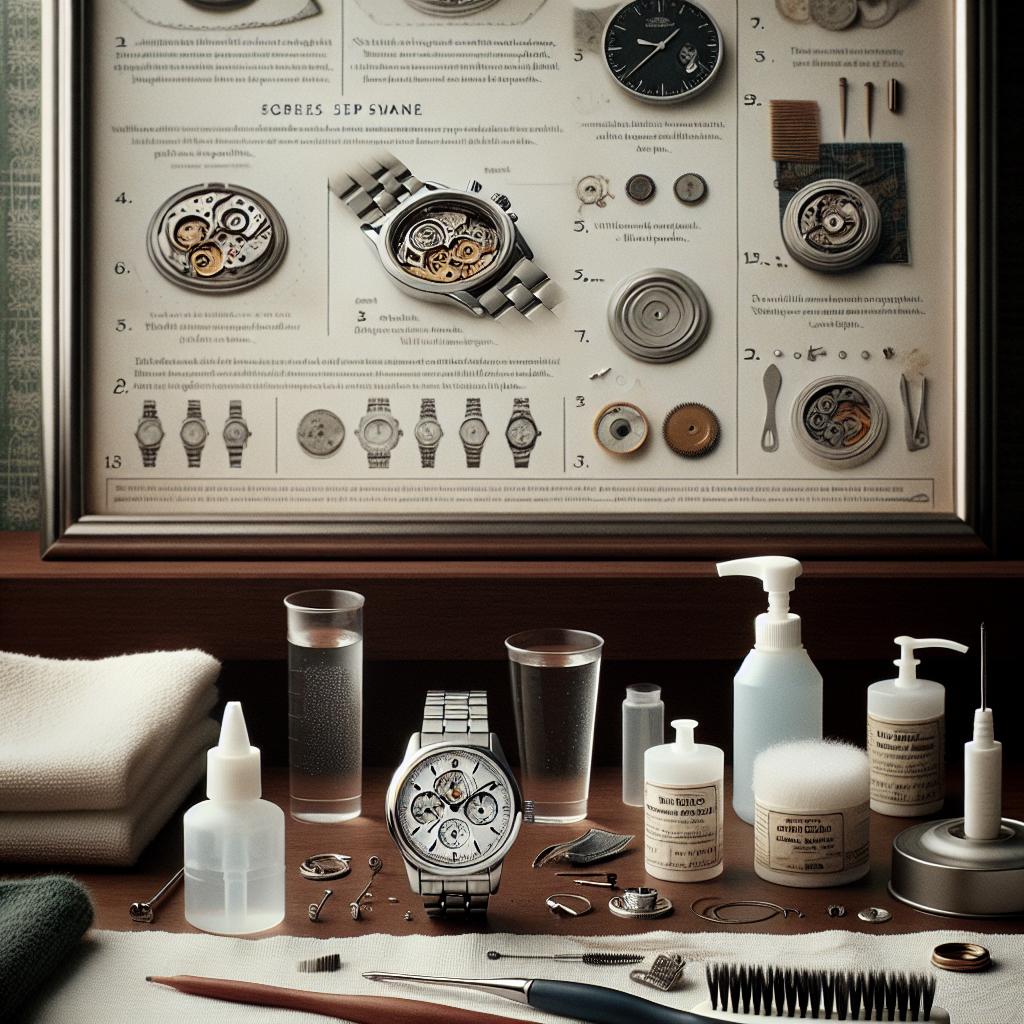
Watches are more than just timekeeping devices; they are an expression of personal style, a mark of craftsmanship, and often, cherished heirlooms. To keep your treasured timepiece looking its best, proper cleaning and maintenance are essential. Dust, dirt, sweat, and oils from skin can accumulate, impacting both appearance and performance. Here, we provide indispensable watch cleaning tips to ensure your timepiece remains in pristine condition.
Understanding Your Watch
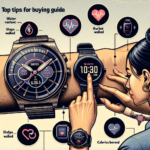
Before diving into cleaning techniques, it’s crucial to understand the type of watch you own. Watches can be categorized into three main types: mechanical, quartz, and smartwatches. Each has unique cleaning requirements. Mechanical watches, which include automatic and manual winding watches, often have complex movements that can be affected by moisture and dirt. Quartz watches are generally more durable but still require regular maintenance. Smartwatches, while more resistant to wear, need cleaning for both aesthetic and functional reasons.
The Basics of Watch Cleaning
-
Gather Your Supplies: Before beginning, assemble the necessary cleaning materials. Common items include:
- A soft microfiber cloth
- A soft-bristled toothbrush
- Distilled water
- Mild soap (like dish soap)
- A bowl for mixing
- Q-tips or cotton swabs
- A soft, lint-free towel
- Optional: watch cleaning solution
-
Establish a Cleaning Routine: Regular cleaning helps maintain the watch’s appearance and functionality. As a general rule, aim to clean your watch once a month. If you wear it daily, especially during vigorous activities, consider cleaning it more frequently.
Step-by-Step Cleaning Process
Step 1: Prepare Your Workspace
Choose a clean, flat surface where you can comfortably work. Lay out your supplies for easy access. A well-lit area is crucial for spotting any dirt or potential scratches.
Step 2: Remove the Watch from Your Wrist
If possible, detach the watch from your wrist. This prevents accidental damage and allows you to clean it thoroughly. For watches with leather straps, be cautious, as water can damage the leather.
Step 3: Clean the Watch Case
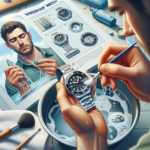
- Wipe the Case: Start by using a microfiber cloth to gently wipe down the case. This removes surface dust and oils.
- Use Mild Soap: For deeper cleaning, mix a few drops of mild soap with distilled water in a bowl. Dip the soft-bristled toothbrush into the soapy water and gently scrub the case, especially in the grooves and around the pushers or crown. Be careful not to over-saturate; apply just enough moisture to clean without damaging the watch.
- Rinse: If your watch is water-resistant, you can rinse it under running water. Be sure to check the manufacturer’s specifications, as some watches may not be suitable for this method. For non-water-resistant models, instead of rinsing directly, use a damp cloth to remove soap residue.
Step 4: Clean the Watch Crystal
The crystal is the transparent cover of the watch face and can become scratched or smeared over time.
- Wipe with a Microfiber Cloth: Start with a dry microfiber cloth to remove fingerprints and smudges.
- For Scratches: If there are minor scratches on a plastic crystal, consider using a plastic polish. For sapphire or mineral glass crystals, avoid polishes as they may damage the glass.
Step 5: Care for the Band/Strap
The band or strap can collect sweat and grime.
- Metal Bracelets: For metal bands, use the toothbrush with soapy water to clean between the links. Rinse with clean water and dry thoroughly with a lint-free towel.
- Leather Straps: Wipe leather straps with a clean, dry cloth. If they are particularly dirty, lightly dab with a damp cloth; avoid soaking. You can condition leather with a specialized leather conditioner to prolong its lifespan.
- Rubber or Silicone Straps: Similarly, clean these with soap and water. They can usually withstand more cleaning, but it’s best to avoid harsh chemicals.
Step 6: Inspect the Watch
While cleaning, take the time to inspect your watch for any signs of wear or damage. Look for:
- Scratched glass
- Deteriorating straps
- Loose parts
- Moisture inside the case (evident by condensation on the crystal)
If you find any issues, consider taking your watch to a professional for repair.
After-Cleaning Care
Once you’ve finished cleaning, it’s essential to ensure your watch is thoroughly dry. Use a lint-free towel to pat it dry, and allow it to air dry for a bit before wearing or storing.
Storage Tips
Proper storage is crucial for maintaining your watch’s condition:
- Avoid Direct Sunlight: Store your watch in a cool, dry place away from direct sunlight to prevent damage to the materials.
- Use a Watch Box: If you have multiple watches, consider investing in a watch box. This not only organizes them but also protects them from dust and scratches.
- Consider a Watch Winder: For automatic watches, a watch winder keeps them wound while being stored, ensuring optimal performance.
Additional Tips
- Water Resistance: If your watch is water-resistant, have the seals checked regularly by a professional, especially after battery changes or repairs.
- Professional Cleaning: For extensive cleaning or maintenance, such as issues with the movement, consider taking your watch to a certified watchmaker or service center.
Conclusion
Caring for your watch is an ongoing commitment that enhances its lifespan and maintains its beauty. By following these essential cleaning tips, you’ll keep your timepiece shining for years to come. Remember, each watch is unique, so always refer to the manufacturer’s guidelines for specific care recommendations. With a little effort and time, your watch will always be ready to shine, celebrating both its functionality and elegance. Happy cleaning!