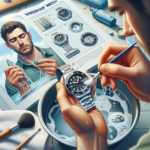

Watches are not just functional timepieces; they are expressions of style, history, and personal significance. A watch can often carry sentimental value, marking special moments in life. However, daily wear and tear can lead to unsightly scratches, dulling the beauty of these cherished items. Fortunately, watch enthusiasts and novices alike can adopt several techniques for scratch removal, reviving their timepieces to pristine condition.
Understanding Watch Scratches
Before diving into scratch removal techniques, it’s important to recognize the different types of watch faces and the materials that may require special care:
- Sapphire Crystal: This is the most common high-end material used in luxury watches. It’s tough and scratch-resistant but can still be damaged.
- Mineral Glass: Less expensive than sapphire, mineral glass is more prone to scratches but can be more easily polished.
- Acrylic Crystal: Common in vintage watches, this plastic-like material is soft and can be scratched easily, but it can also be polished to restore clarity.
Choosing the right removal technique will depend on the material of your watch crystal.
Essential Tools for Scratch Removal
- Microfiber Cloth: This soft material helps avoid further scratches while cleaning the surface.
- Polishing Compound: Specific compounds designed for watch crystals can help buff out scratches.
- Sandpaper or Abrasive Pads: Use with caution, as their grit can vary in intensity.
- Toothpaste: A common household item that can provide some abrasive qualities; however, it’s more suitable for superficial scratches.
- Buffing Wheel: For those who prefer power tools, a balancer paired with a microfiber wheel can speed up the process.
Techniques for Scratch Removal
1. The Toothpaste Method
A favorite among watch enthusiasts for superficial scratches on mineral glass and acrylic crystals, the toothpaste method is simple and effective.
Steps:
- Clean the watch face thoroughly with a microfiber cloth to remove dust and debris.
- Apply a small amount of non-gel toothpaste to a soft cloth.
- Gently rub the toothpaste over the scratched area in a circular motion for about 30 seconds.
- Wipe the area with a damp cloth to remove residue, then buff it dry.
While this method may not work on deeper scratches or sapphire, it’s a good first step for minor blemishes.
2. Using Metal Polishing Compounds
For those dealing with deeper scratches, metal polishing compounds, such as those designed for watches, can be remarkably effective.
Steps:
- Clean the watch face thoroughly.
- Apply a small amount of polishing compound onto a soft cloth.
- Gently rub the cloth on the scratched area in circular motions for several minutes.
- Wipe the area with a clean cloth and inspect your progress. Repeat if necessary.
This method works best on acrylic and mineral glass watches and can create a nice sheen on the crystal.
3. Abrasive Pads for Deeper Scratches
For those stubborn deep scratches that won’t budge with standard methods, abrasive pads can help.
Steps:
- Begin with a fine-grit abrasive pad to minimize the risk of causing further damage.
- Gently rub the pad on the scratched area, increasing pressure gradually.
- It’s vital to keep the motion even and controlled to avoid creating new scratches.
- Once the scratch is diminished, switch to a finer pad to smooth out the surface, then polish using a cloth as a final step.
This approach requires caution, and it may be best to practice this method lightly on inexpensive quartz watches before trying it on valuable pieces.
4. Professional Polishing Services
When the DIY methods fall short, turning to professionals may be necessary. Watchmakers and jewelers have access to advanced tools and techniques that can provide optimal results without risking damage to your watch.
- Seek out watch service centers that specialize in repair and restoration.
- Ensure they use appropriate techniques tailored to your specific watch materials.
Preventing Future Scratches
Once you’ve restored your watch’s surface, taking steps to prevent future scratches is crucial:
- Regular Maintenance: Regularly clean your watch with a microfiber cloth and avoid exposing it to harsh chemicals.
- Use a Watch Box: Store your watch in a padded watch box or case when not in use to prevent scratches from other objects.
- Mindful Wearing: Be aware of environments that may pose a risk to your watch, such as construction sites or active sports. When engaging in such activities, consider wearing a less valuable watch.
Conclusion
Watches are more than just a way to tell time; they are investment pieces and symbols of personal style. Scratches, however, can significantly detract from their beauty. Fortunately, the techniques outlined above can help you maintain and rejuvenate your cherished timepieces, ensuring they remain pristine through the years. Whether you opt for a simple toothpaste approach or engage professionals for deeper scratches, it’s crucial to handle your watch with care and respect. By understanding your watch and utilizing the right techniques, you can keep it looking its best and continue to cherish its sentimental value for years to come.