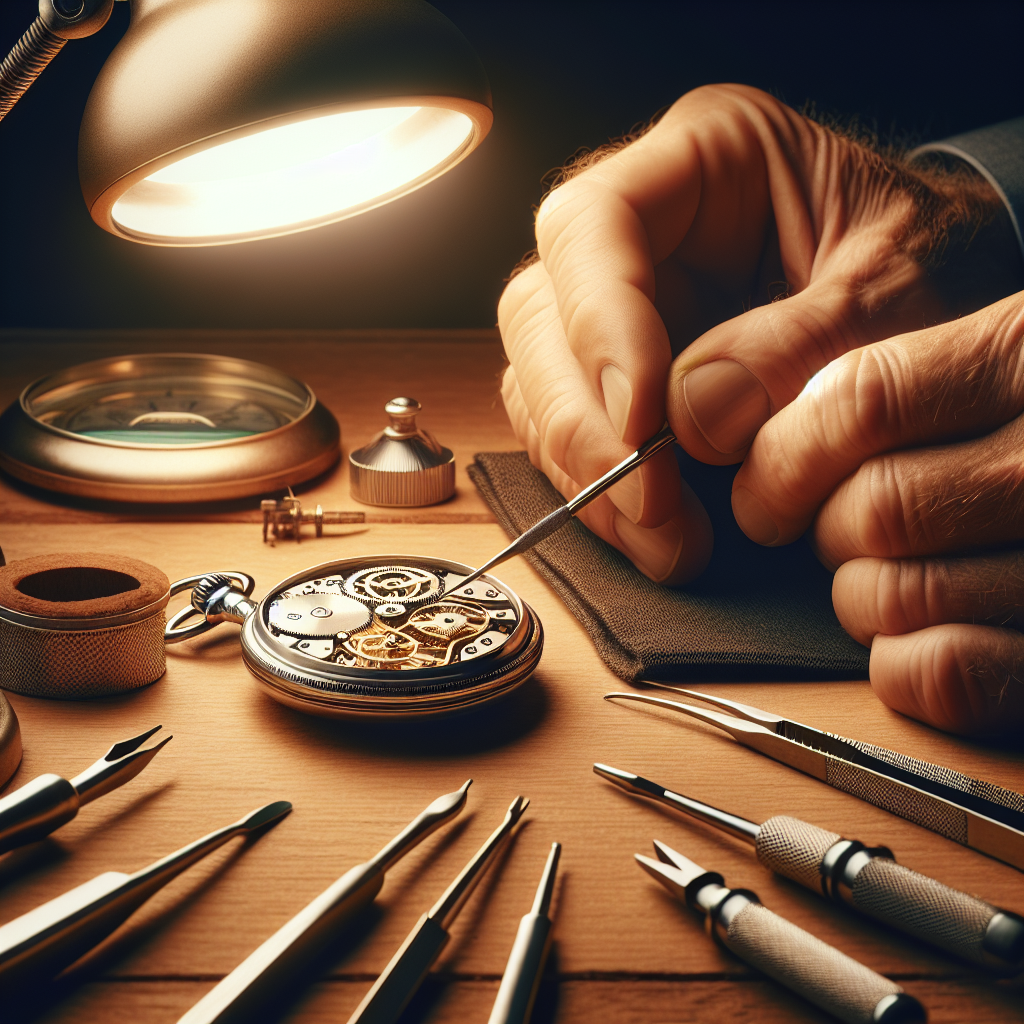
Watches are more than just instruments for telling time; they are reflections of style, craftsmanship, and, in some cases, family heirlooms. Whether you own a luxurious Swiss watch or a simple digital timepiece, taking care of your watch is essential for maintaining its functionality and aesthetics. Here are some essential tips to help you keep your timepiece in top condition.
1. Understanding Your Watch
Before you can adequately care for your watch, it’s important to understand the type of watch you own. Watches generally fall into two categories: quartz and mechanical.
-
Quartz Watches: These watches are battery-powered and are known for their accuracy and low maintenance needs. The primary care required is battery replacement and occasional cleaning.
-
Mechanical Watches: These can be further divided into automatic and manual. Automatic watches wind themselves through the motion of the wrist, while manual watches require winding by hand. Mechanical watches need more frequent servicing, typically every 3-5 years, to keep their intricate movements operating smoothly.
2. Regular Cleaning
Dust, dirt, and sweat can accumulate on your watch, affecting its appearance and functionality. Here are steps for proper cleaning:
-
Daily Wipe: Use a soft microfiber cloth to wipe your watch after each wear. This simple step removes moisture and oils, keeping the case and strap in pristine condition.
-
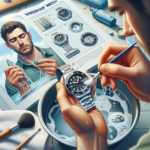
Deep Cleaning: If your watch is water-resistant, you can clean it with lukewarm water and mild soap. Use a soft brush to clean the crevices and the strap but avoid soaking the leather strap, as it can warp. For watches that aren’t water-resistant, stick to dry cleaning methods.
-
Service: Depending on the complexity of your watch, consider a professional clean and service every 2-5 years to remove internal dust and oils, keeping mechanical systems running smoothly.
3. Avoiding Extreme Conditions
Watches can be sensitive to extreme conditions. Here are some scenarios to avoid:
-
Water Damage: Even water-resistant watches can succumb to moisture damage if used improperly. Avoid submerging your watch in water unless it’s rated for diving. Always check seals and gaskets before water exposure.
-
Temperature Extremes: Extreme heat can affect battery performance, while cold can slow down mechanical movements. Store your watch in a climate-controlled environment if possible.
-
Magnetic Fields: Mechanical watches can be affected by magnetic fields, which can disrupt movement accuracy. Keep your watch away from speakers, phones, computers, and other electronic devices.
4. Proper Storage
How you store your watch can significantly impact its longevity:
-
Watch Boxes: Invest in a quality watch box or case that offers cushioned compartments, protecting your watch from scratches and impacts.
-
Winders: For automatic watches, consider using a watch winder. This device keeps your watch adequately wound while not in use, mimicking wrist motion and preventing internal oils from pooling.
-
Avoid Direct Sunlight: Keep your watch away from direct sunlight, as UV rays can fade the dial and affect the strap material.
5. Protecting the Crystal
The watch crystal is one of the most vulnerable parts of your timepiece. Here are some precautions:
-
Scratch Resistance: Many modern watches come with scratch-resistant sapphire crystals. However, if you have a mineral crystal, avoid contact with rough surfaces and consider using a protective cover.
-
Regular Inspection: Check the crystal regularly for chips or cracks. If damage occurs, replace it immediately to prevent further damage to the watch.
6. Leather Strap Care
Leather straps require particular attention to maintain their beauty and durability:
-
Moisture Control: Leather and moisture don’t mix. If your strap gets wet, gently dry it with a soft cloth and let it air dry. Never expose it to heat sources, which can cause cracking.
-
Conditioning: Use leather conditioner occasionally to keep the strap supple and prevent it from drying out.
-
Replacement: Be prepared to replace leather straps periodically. Signs of wear, such as cracks or a worn-out texture, indicate it’s time for a new strap.
7. Battery Maintenance
For quartz watches, timely battery replacement is crucial:
-
Timing Replacement: Typically, quartz batteries last 1-3 years. When a watch stops, replace the battery as soon as possible to avoid leakage, which can damage the movement.
-
Professional Help: If you’re unsure how to open your watch, it’s best to take it to a professional. Incorrect handling can damage the watch’s internal components.
8. Avoiding Impact
Watches can be surprisingly sturdy, but they aren’t indestructible. Minimize risk through careful handling:
-
Wear with Care: Avoid wearing your watch during high-impact sports unless it’s specifically designed for it (like diving or aviation watches).
-
Storage During Activity: When engaging in activities that could cause hard knocks, consider removing your watch to prevent unintentional damage.
9. Service Regularly
Mechanical and high-value watches require occasional professional servicing:
-
Scheduled Service: Plan to have your watch serviced every few years, especially if it’s been exposed to harsh conditions. A trained technician can replace worn components, clean intricate parts, and recalibrate movements.
-
Documentation: Keep records of all services and repairs. This is especially important if you plan to sell the watch in the future; a documented service history can enhance its value.
Conclusion
Maintaining your watch’s condition doesn’t require a lot of effort. Regular cleaning, careful usage, and timely servicing can significantly extend its life and keep it looking beautiful. Whether it’s a classic timepiece or a modern marvel, treating your watch with respect and attention will ensure it serves you well for many years to come. As the saying goes, “A watch is a statement of style, professionalism, and a mark of personal history.” Keeping it in top shape is your responsibility—after all, time is precious.