Waterproof watches are a marvel of engineering, combining precision timekeeping with the robustness needed to withstand the elements. Whether it’s for high-seas adventure, sweating it out at the gym, or just enduring an unexpected rain shower, a waterproof watch is essential for many. However, just because a watch is labeled “waterproof” doesn’t mean it can be neglected. Proper maintenance is crucial to ensure it remains water-resistant and functional for years to come. This article will delve into how to maintain your waterproof watch and keep it watertight.
Understanding the Water Resistance Rating
Before diving into maintenance tips, it’s essential to understand the water resistance rating of your watch. Watches typically come with one of the following ratings:
- 3 ATM (30 meters): Suitable for light rain and splashes but should not be submerged.
- 5 ATM (50 meters): Can withstand brief swimming and splashes.
- 10 ATM (100 meters): Good for swimming and snorkeling; not suitable for diving.
- 20 ATM (200 meters) or more: Suitable for professional diving activities.
It’s imperative to remember that these ratings indicate static water pressure; real-world conditions can be more challenging. Understanding these ratings can help you set realistic expectations regarding your watch’s capabilities.
Regular Inspection
Frequent checks of your watch’s water resistance capabilities are fundamental. Here’s how to inspect your waterproof watch:
1. Check the Gaskets
Gaskets play a crucial role in keeping your watch watertight. These rubber or silicone seals can degrade over time, especially when exposed to extreme temperatures or chemicals. Regularly inspect the gaskets and have them replaced if they show signs of wear or damage.
2. Look for Condensation
If you notice condensation beneath the watch crystal, it’s a sign that water has seeped in, which can lead to serious damage. This often indicates that the gaskets have failed or that the crown isn’t sealing properly. If you spot this, take your watch to a professional immediately.
3. Check the Crown
The crown is the control mechanism for most watches, and it must be correctly sealed when not in use. Ensure that the crown is securely in its position and not damaged. If it has a screw-down feature, make sure it’s fully tightened to prevent water ingress.
Periodic Professional Maintenance
While some routine maintenance can be done at home, certain tasks require professional expertise.
1. Pressure Testing
A professional watchmaker can perform a pressure test to verify that your watch is still water-resistant. It’s recommended to do this every 1 to 2 years, especially after having the battery replaced or if you’ve had repairs done.
2. Service Intervals
Refer to your manufacturer’s service schedule. Most high-quality watches recommend a complete service every 3 to 5 years. This process often includes cleaning the internal components, replacing gaskets, and ensuring the watch is performing optimally.
Daily Care and Preventive Measures
Taking care of your waterproof watch doesn’t end with professional maintenance. Here are some practical daily care tips:
1. Avoid Hot Water
Contrary to popular belief, taking a waterproof watch into hot water, such as hot tubs or saunas, can be detrimental. The heat can cause the gaskets to expand, leading to leaks. Likewise, avoid swimming in chlorinated pools or saltwater if possible, as these can corrode the watch’s components.
2. Clean Regularly
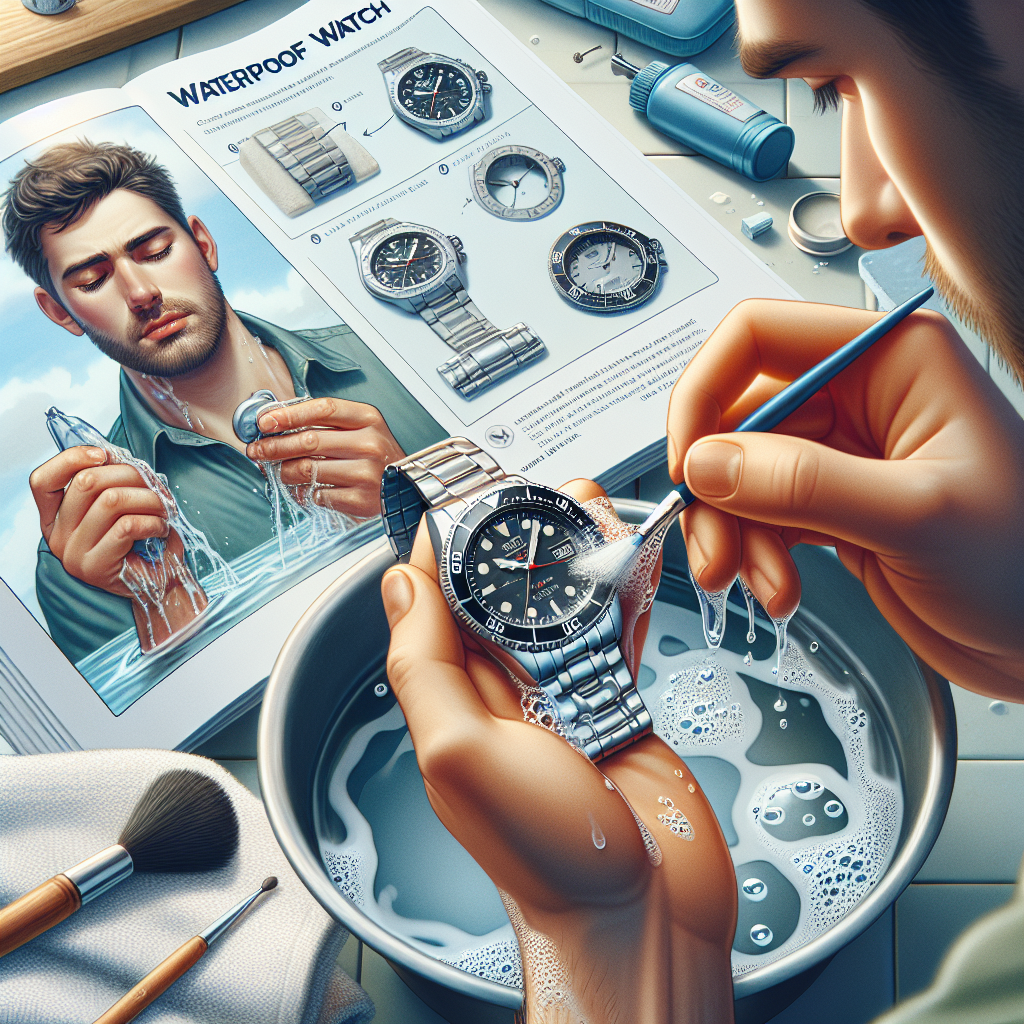
It’s essential to keep your watch clean. Use a soft, lint-free cloth to wipe it down regularly. If your watch has been exposed to salt or chlorine, rinse it in fresh water to prevent corrosion. Make sure to dry it thoroughly afterward.
3. Store It Properly
When you’re not wearing your watch, store it in a cool, dry place. Avoid leaving it in direct sunlight or extreme conditions that can compromise its sealing mechanisms or cause the materials to degrade.
4. Mind the Buttons
Many waterproof watches come with pushers or buttons that can easily let water in if not handled correctly. Be cautious when using these features; avoid using them underwater or while swimming, as doing so can compromise the water resistance.
Additional Precautions
1. Be Aware of Temperature Fluctuations
Temperature changes can affect the materials in your watch. Rapid cooling or heating can create condensation inside the watch. Keep your watch away from extreme temperatures to maintain its integrity.
2. Use a Watch Winder
If your watch is automatic, consider using a watch winder to keep the movement running when you’re not wearing it. A winder also helps avoid the need to reset the watch frequently, which often requires handling the crown and can lead to potential water ingress if not done carefully.
3. Care for the Strap
The strap or bracelet of your watch also requires attention. Leather bands, for instance, can deteriorate quickly when exposed to water. If your watch has such a strap, remove it before swimming, and consider using a metal or rubber strap for more water-intensive activities.
Conclusion
Owning a waterproof watch is a privilege that comes with responsibilities. Proper maintenance is critical to ensuring it remains watertight and functions effectively. With regular inspections, professional servicing, proper care, and being aware of the limitations set by the manufacturer, you can enjoy the benefits of your waterproof watch for many years to come. By taking these proactive steps, you ensure that your investment remains valuable, enhancing your lifestyle with the reliability of a perfect timepiece, rain or shine. So, keep it watertight, and watch it tick!