The history of timekeeping is as old as humanity itself, moving from rudimentary sundials to intricate mechanical clocks. In recent decades, a remarkable transformation has changed this field: the advent and rise of quartz technology. The quartz revolution has not only improved the precision of timekeeping but also reshaped entire industries. This article explores the historical context, the mechanics of quartz timekeeping, and its far-reaching implications.
Historical Context
Before the quartz revolution, the world relied heavily on mechanical clocks, which were often limited by their design and materials. The first mechanical clocks, emerging in the 13th century, represented a monumental leap into a more precise measurement of time. Over the centuries, advancements in clock-making, driven by great inventors, saw the introduction of pendulum clocks and improvements in mainsprings and escapements. However, these mechanical devices had their limitations, primarily in accuracy and maintenance.
By the 20th century, the limitations of mechanical timekeeping became more apparent, particularly when precise timing became essential during wartime and in expanding industries such as telecommunications. The need for greater accuracy led to experiments with electromechanical devices, but true accuracy remained elusive until quartz technology emerged.
Understanding Quartz Technology
What is Quartz?
Quartz is a mineral, specifically silicon dioxide, and is one of the most abundant materials found on Earth. Its unique piezoelectric properties—meaning it can produce an electric charge when subjected to mechanical stress—are the key factors that make it valuable for timekeeping.
How Does Quartz Timekeeping Work?
At the heart of a quartz watch or clock is a small piece of quartz crystal. When an electrical current is applied to the crystal, it vibrates at a stable frequency—usually 32,768 times per second. This frequency is exceptionally consistent, creating a reliable timing mechanism.
A quartz oscillator generates these vibrations, which are then converted into electronic pulses. These pulses are counted by a microchip, which translates the vibrations into seconds, minutes, and hours. This process allows quartz watches to maintain incredible accuracy—typically within a few seconds per month, far surpassing mechanical timepieces.
The Evolution from Prototype to Mainstream
The first quartz watches were developed in the late 1960s. In 1969, Seiko unveiled the Astron, the world’s first quartz wristwatch. This groundbreaking innovation marked a pivotal moment in horological history. Its precision and reliability soon made quartz watches a popular choice among consumers, and their success began to overshadow traditional mechanical watches.
The quartz crisis that followed during the 1970s and 1980s saw many traditional watchmakers struggle to adapt to this technological shift. Brands that resisted innovation faced declining sales and market share, while companies that embraced quartz technology thrived.
The Impact of Quartz Technology
Precision and Reliability
The most apparent advantage of quartz timekeeping is its accuracy. Unlike mechanical watches, which can be affected by temperature changes, humidity, and gravitational forces, quartz watches maintain a consistent time regardless of external conditions. This reliability is particularly crucial in sectors requiring precise timekeeping, such as aviation, telecommunications, and even space exploration.
Accessibility and Affordability
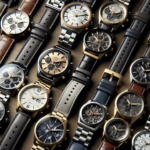
The advent of quartz technology democratized timekeeping. Quartz watches are generally less expensive to produce than their mechanical counterparts, allowing for a wider range of options for consumers. This affordability led to an explosion of styles, designs, and functionalities, making watches accessible to a much larger audience.
The Birth of the Digital Age
Quartz technology also paved the way for the emergence of digital watches. In the 1970s, the combination of quartz with digital displays changed the landscape of timekeeping. The LCD (liquid crystal display) enabled not just time but also other functionalities like alarms, timers, and even calculators—all in a compact form.
The Revival of Mechanical Watches
Interestingly, the rise of quartz technology also led to a renaissance of mechanical watches. Although quartz watches became the choice for accuracy and affordability, mechanical timepieces remained coveted for their craftsmanship and artistry. The late 20th century saw a renewed interest in traditional watchmaking, with brands emphasizing heritage and quality in response to the quartz boom.
Challenges Facing Quartz Technology
While quartz technology revolutionized timekeeping, it is not without its challenges. The rise of smartwatches is one such challenge. These modern devices integrate advanced technology, offering more than just timekeeping—a far cry from traditional quartz timepieces. Bluetooth connectivity, health monitoring, and customizable features present both competition and opportunities for traditional watchmakers.
Additionally, concerns about sustainability and battery disposal issues have surfaced in discussions about quartz technology. While the longevity of quartz watches is impressive, the environmental impact of mining quartz and the disposal of batteries is an ongoing conversation.
Future of Quartz in Timekeeping
Looking ahead, quartz technology will likely continue to play a significant role in the evolution of timekeeping. Innovations like solar-powered quartz watches and improvements in battery longevity could mitigate some environmental concerns and keep quartz relevant. Furthermore, as industries such as aerospace and medical technology continue to demand precision, quartz will remain a dependable backbone.
Conclusion
The rise of quartz technology has had a profound impact on timekeeping, pushing the boundaries of precision, affordability, and accessibility. While it has reshaped the landscape of watchmaking and introduced new challenges, the legacy of quartz technology will endure. It not only represents a pivotal moment in horological history but also serves as a reminder of how technological advancements can redefine our understanding of time.
FAQ
Q: What is the difference between quartz and mechanical watches?
A: Quartz watches use a battery and quartz crystal to keep time accurately, while mechanical watches rely on gears and springs, requiring more maintenance and generally being less precise.
Q: How accurate are quartz watches?
A: Quartz watches can be accurate to within a few seconds per month, greatly surpassing most mechanical watches.
Q: Are quartz watches more affordable than mechanical ones?
A: Yes, quartz watches tend to be less expensive due to lower production costs and simpler mechanisms.
Q: What is a solar-powered quartz watch?
A: Solar-powered quartz watches use solar energy to recharge their batteries, making them more sustainable and reducing the need for battery replacement.
Q: Will quartz technology continue to evolve?
A: Yes, innovations such as improved battery technology and eco-friendly materials will likely ensure the relevance of quartz in the future of timekeeping.