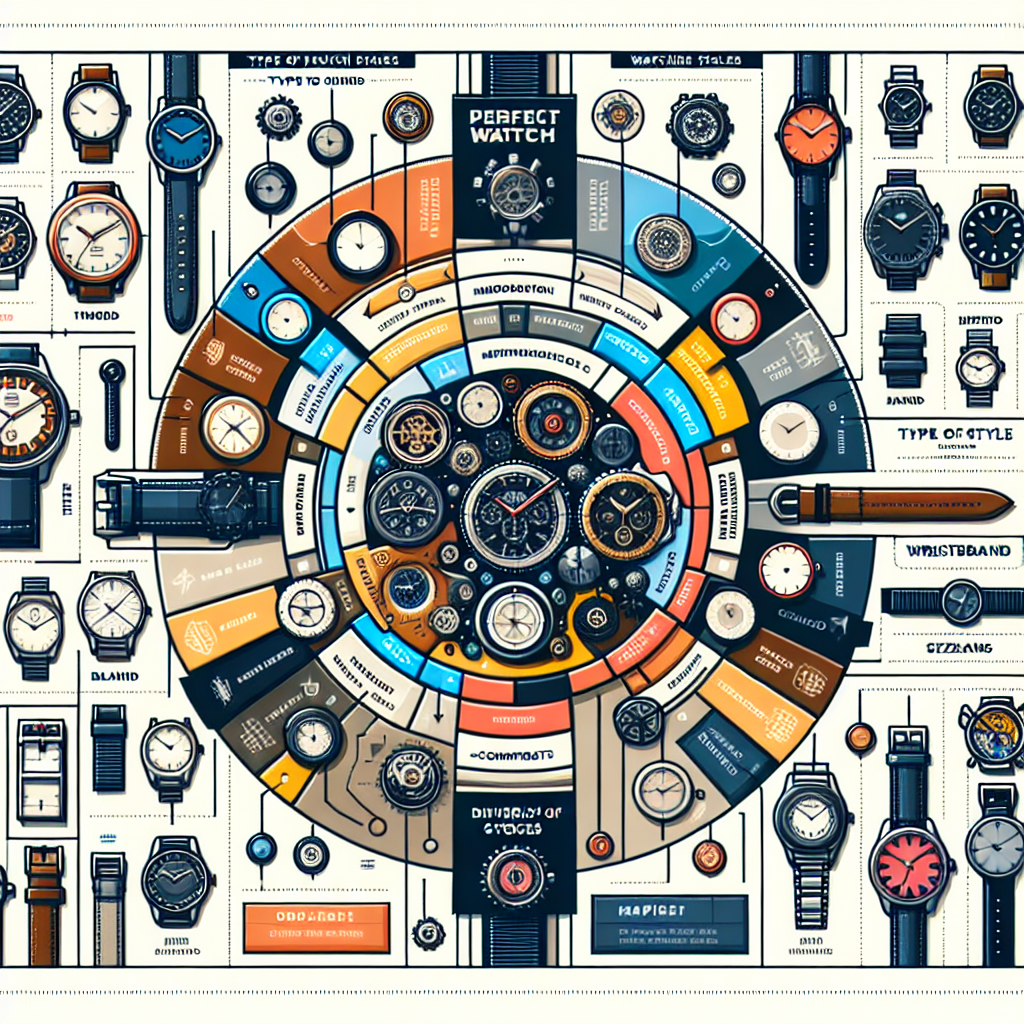
In today’s fast-paced world, a watch is more than just a timekeeping instrument; it’s a reflection of your personal style, a status symbol, and sometimes even an investment. With countless options—styles, brands, features, and price points—purchasing a watch can feel overwhelming. In this guide, we’ll provide insights into choosing the perfect watch for yourself or as a gift, while addressing crucial factors to consider during your search.
Understanding Watch Types
Before diving into specifics, it’s essential to understand the types of watches available in the market. They generally fall into three categories: analog, digital, and smartwatches.
1. Analog Watches
These classic timepieces feature hour and minute hands to indicate the time. They can be further classified into mechanical and quartz watches:
-
Mechanical Watches: Powered by intricate movements of gears and mainsprings, these watches require regular winding. They are often valued for their craftsmanship and heritage.
-
Quartz Watches: These utilize battery power to keep time accurately and require less maintenance. Quartz watches are often more affordable and come in various styles.
2. Digital Watches
Digital watches display time using numeric digits, often featuring additional functions like alarms, timers, and even calendars. These watches are straightforward and tend to be favored for their practicality.
3. Smartwatches
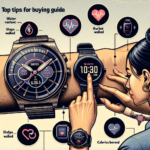
Combining traditional watch features with technology, smartwatches connect to your smartphone, allowing notifications, fitness tracking, and customizable watch faces. They are ideal for tech enthusiasts and fitness buffs, though they may lack the timeless appeal of traditional watches.
Features to Consider
When choosing a watch, the features you prioritize can significantly influence your decision. Here are some essential aspects to consider:
1. Purpose
Identify the primary reason for the watch. Is it for casual wear, formal events, sports, or outdoor activities? Understanding its intended use will help narrow down your options.
2. Size and Fit
Wrist size plays a crucial role in how a watch looks and feels.
-
Watch Case Diameter: Typically ranges from 36mm to 50mm. Smaller cases suit delicately built wrists, while larger cases tend to flatter broader wrists.
-
Thickness: A thicker watch may feel bulkier but can offer a more robust presence. A slimmer profile can be more comfortable and subtle.
-
Strap Length: Consider adjustable straps to ensure a secure fit. Leather and metal bands may require links to be added or removed, while fabric straps might simply need to be cut.
3. Material
Watch materials not only affect aesthetics but also durability:
-
Stainless Steel: Common for its resistance to tarnish and robustness.
-
Titanium: Lightweight and hypoallergenic, making it ideal for sensitive skin.
-
Ceramic: Scratch-resistant and lightweight, perfect for those with an active lifestyle.
-
Leather: Offers a classic look but requires more maintenance to remain in good condition.
4. Water Resistance
If you plan to wear your watch during sports or on outdoor adventures, consider its water resistance. Ratings typically range from:
-
30m: Splash resistant; not suitable for swimming.
-
50m: Suitable for swimming in shallow water.
-
100m and above: Appropriate for diving and other underwater activities.
5. Brand Reputation
Selecting a well-known brand can often guarantee quality. Research brands that align with your values and taste. Brands like Rolex, Omega, and Seiko are renowned for their craftsmanship, while Casio and Garmin are popular among digital and smartwatches.
Style Considerations
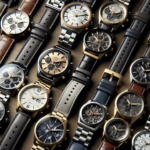
The aesthetics and style of a watch can determine if it aligns with your wardrobe and personal style. Here are a few styles to explore:
-
Dress Watches: Sleek and minimalist, perfect for formal occasions.
-
Dive Watches: Rugged and water-resistant, often designed with rotating bezels and luminous hands for visibility underwater.
-
Field Watches: Durable and functional, ideal for outdoor adventures.
-
Pilot Watches: Typically larger with readable dials, designed for aviation purposes.
Setting Your Budget
Watch prices can range from a few dollars to several hundred thousand. Here’s how to set a budget:
-
Define what you need: Are you looking for a daily wear piece or a collector’s item?
-
Research brands: Compare offerings in your price range.
-
Consider resale value: Some brands retain value better than others, which can matter if you see this as an investment.
Buying Methods
Whether you’re purchasing from a brick-and-mortar store or online, consider these aspects:
-
Authorized Retailers: These sellers offer genuine products and warranties. Buying from them can provide peace of mind.
-
Online Platforms: Websites like Chrono24 or Jomashop can offer competitive prices but ensure you research seller ratings.
-
Pre-owned Watches: Buying used can be cost-effective, but make sure to verify authenticity and quality.
Maintenance Tips
To prolong the life of your watch, consider these maintenance tips:
-
Regular Cleaning: Dust and grime can accumulate. Use a soft cloth to clean it regularly.
-
Battery Replacement: For quartz watches, replacing the battery periodically will keep your watch running.
-
Service: For mechanical watches, consider professional servicing every 3-5 years to maintain performance.
FAQs
1. What is the difference between automatic and quartz watches?
Automatic watches are powered by movement and do not require battery changes, while quartz watches rely on battery power for accuracy.
2. How do I determine my wrist size?
Measure your wrist circumference with a flexible tape measure; typical wrist sizes range from 6 to 8 inches.
3. Can I wear a watch while swimming?
Make sure to check the water resistance rating. Look for a watch rated at least 50m for swimming and 100m for diving.
4. What are some reputable watch brands?
Reputable brands include Rolex, Omega, Seiko, Casio, TAG Heuer, Richard Mille, and Citizen, each offering various styles and price points.
5. What should I do if my watch stops working?
If a quartz watch stops, the battery may need replacing. For mechanical watches, consider taking it to a professional watchmaker for servicing.
6. Are smartwatches worth the investment?
If you value connectivity and fitness tracking, smartwatches can greatly enhance your productivity. However, if you prefer traditional aesthetics, they may not be for you.
Conclusion
Choosing the perfect watch requires thoughtful consideration of your personal style, preferences, and needs. Understanding the various types, features, and styles available can empower you to make an informed decision. Whether it’s for yourself or as a gift, a watch can be a timeless accessory that brings functionality and elegance to everyday life. Happy watch hunting!