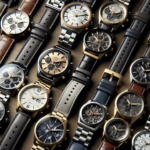
A watch is not just a timekeeping device; it is a piece of art, a representation of personal style, and for many, a treasured heirloom. Whether you own a luxury mechanical watch, a digital timepiece, or a cherished vintage model, proper care and maintenance are crucial to ensuring its longevity and functionality. This article delves into essential tips for maintaining your watch, preventing damage, and keeping it running smoothly for years to come.
1. Understand Your Watch
Before embarking on any maintenance journey, it’s vital to understand the basics of your watch. Watches generally fall into two categories: quartz and mechanical.
-
Quartz Watches: These watches run on battery power and require less maintenance. Regular battery changes and occasional cleaning will usually suffice.
-
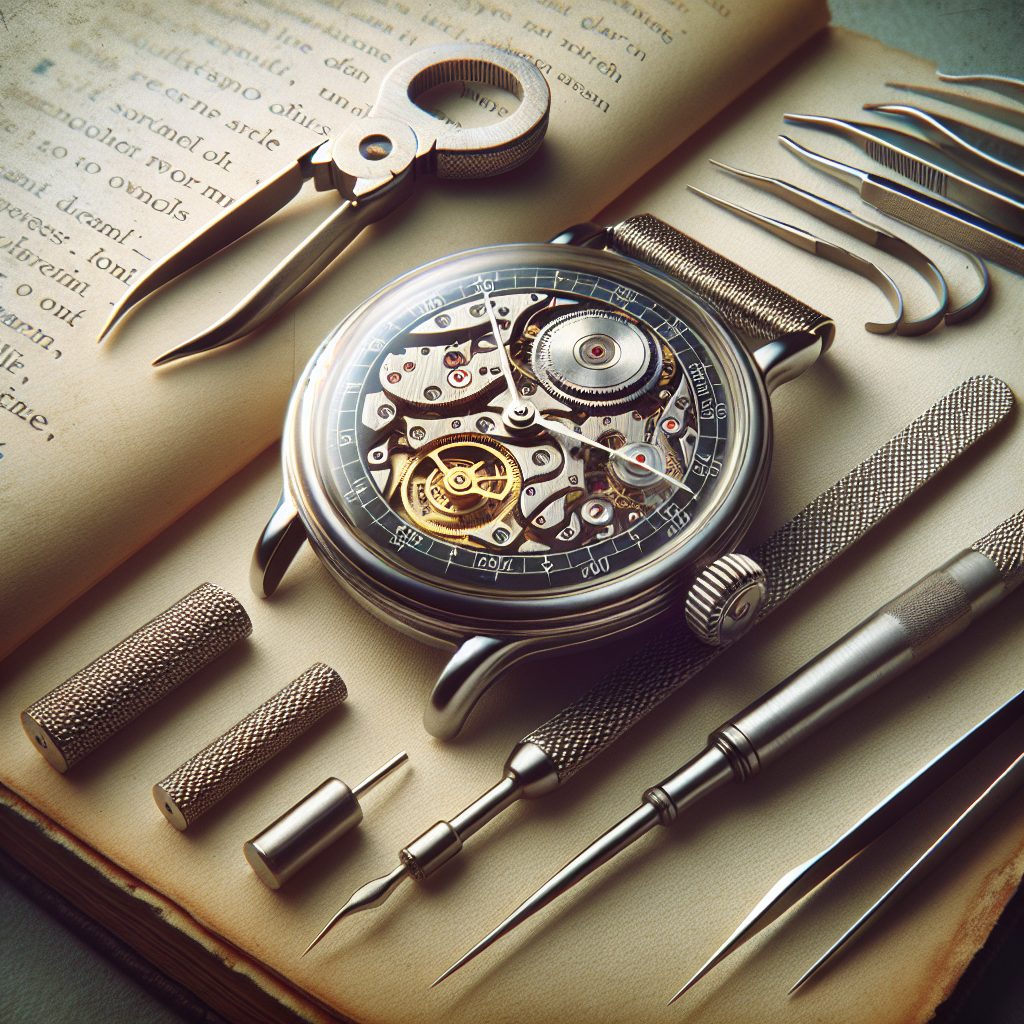
Mechanical Watches: This category includes both manual and automatic watches that rely on intricate movements and gears. They typically require more care, including regular servicing.
Familiarizing yourself with your watch’s function and design will help you determine the best care methods.
2. Regular Cleaning
Dirt and grime can accumulate on your watch, dulling its finish and affecting its functionality. Regular cleaning is essential for both aesthetics and performance.
Cleaning Steps:
- Daily Wipe Down: Use a soft, lint-free cloth to wipe the watch case and band regularly. This removes dust and oils from your skin.
- Deep Cleaning: Every few months, consider a deeper clean. For waterproof watches, you can use warm soapy water and a soft brush. Rinse thoroughly and dry with a cloth. For leather bands, use a dedicated leather cleaner to maintain its quality.
3. Proper Storage
How you store your watch significantly impacts its longevity.
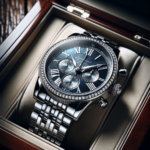
- Watch Boxes: Invest in a quality watch box that provides protection from dust and scratches. Cushioning inside the box will help prevent movement while stored.
- Avoid Direct Sunlight: Prolonged exposure to sunlight can cause fading and damage to the watch face and strap.
- Humidity Control: Keep your watch in a low-humidity environment. For mechanical watches, consider using a watch winder, which keeps the watch in motion and maintains the lubrication of its movement.
4. Water Resistance
Many watches come with varying degrees of water resistance, but this doesn’t mean they are completely waterproof. To keep your watch intact, observe these tips:
- Check Seals Regularly: Water-resistant watches depend on gaskets and seals to keep moisture out. Have these checked during regular servicing or whenever the watch is opened.
- Avoid Hot Water: While swimming or showering, avoid exposing your watch to hot water or extreme temperature changes, as this can warp seals.
- Post-Swimming Care: After swimming, thoroughly rinse your watch with freshwater to remove chlorine or saltwater, which can corrode the metal and damage the seals.
5. Wind Your Watch
For mechanical watches, keeping them wound is crucial. Here’s what you need to know:
- Manual Watches: Wind your manual watch daily. This should be done at the same time each day to establish a routine, which can also help it run accurately.
- Automatic Watches: If you wear your automatic watch daily, it will self-wind. If you don’t wear it frequently, consider using a watch winder to keep it functioning.
6. Get Professional Servicing
Mechanical watches typically require more attention than their quartz counterparts. Regular servicing is vital for maintaining their precision.
- Every Three to Five Years: Plan to have your mechanical watch serviced every three to five years, depending on its complexity and how often you wear it.
- Quartz Watches: These usually require less maintenance. Changing the battery and cleaning should suffice.
During the service, a professional will check for wear and tear, clean the movement, and replace any worn-out parts.
7. Avoid Magnetic Fields
Watches can be sensitive to magnetic fields, which may affect their timekeeping accuracy. To prevent this:
- Keep Away from Electronics: Store your watch away from appliances like speakers, mobile phones, and computers that can emit magnetic fields.
- Use Magnetic Shielding: If you own a highly sensitive watch, consider investing in a magnetic shield or keeping it in a specially designed case.
8. Pay Attention to the Strap
The strap of your watch can greatly influence its appearance and comfort. Here’s how to care for various types:
- Metal Bracelets: Clean with a soft brush and soapy water to remove grime. Avoid using harsh chemicals, which can dull the shine.
- Leather Straps: Use a leather conditioner occasionally to keep the strap supple. Avoid exposing leather to water, as it can deteriorate.
- NATO Straps: These are generally washable. Regular cleaning in mild soap and water will keep them fresh.
9. Be Mindful of Environmental Factors
Exposure to extreme conditions can take a toll on your watch. Be cautious in:
- Extreme Temperatures: Avoid exposing your watch to extreme heat or cold, which can impact the movement’s accuracy.
- Pest Control: If using pest control in your home, be wary of substances that can damage your watch.
10. Monitor Performance
Keep track of your watch’s performance. If you notice inconsistencies in timekeeping or any unusual sounds, consult a professional watchmaker. Early detection can prevent small issues from becoming significant problems.
FAQs
1. How often should I have my watch serviced?
For mechanical watches, aim for a service every three to five years, while quartz watches typically only need battery changes and cleaning.
2. Can I wear my watch while exercising?
If your watch is water-resistant and designed for active use, it should be fine. However, avoid high-impact activities that might damage it if it’s not specifically designed for such conditions.
3. How do I know if my watch is water-resistant?
Check the specifications that came with your watch or look for markings on the case back, such as “30m,” “50m,” or “100m,” which indicate the level of water resistance.
4. What should I do if my watch stops working?
If your watch stops running, try winding it (for mechanical models) or changing the battery (for quartz models). If problems persist, consult a professional watchmaker.
5. Are there any home remedies for cleaning watches?
A simple solution of mild soap and warm water, along with a soft brush, can effectively clean many types of watches. However, avoid harsh chemicals and consider professional cleaning for delicate models.
Conclusion
Caring for your watch is essential for retaining its elegance, functionality, and value. By understanding your watch type, employing routine cleaning, faithful winding, and timely professional servicing, you ensure that your timepiece remains a cherished asset for years to come. Whether you’re a casual wearer or a collector, developing a habit of proper care will help you maintain the timeless beauty of your watch.