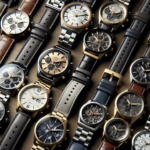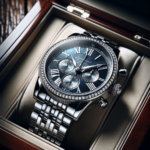

In a world increasingly dominated by digital technologies, where smartphones and smartwatches relentlessly vie for our attention, a fascinating trend has emerged: the resurgence of mechanical watches. These intricate devices are rising from the sidelines, capturing the admiration of a new generation. Far from being merely functional timekeepers, mechanical watches represent a rich history, craftsmanship, and a devotion to artistry that digital counterparts often lack. This article explores the factors contributing to their resurgence and examines the timeless elegance they embody.
The Allure of Mechanical Watches
Craftsmanship and Artistry
At the heart of mechanical watches lies exceptional craftsmanship. Each piece is a tribute to the fine art of horology, where skilled artisans dedicate their lives to perfecting their creations. Unlike digital watches that rely on batteries and circuits, mechanical watches function using intricate movements powered by gears, springs, and levers. This complexity not only speaks to the technical prowess required to create such devices but also provides an aesthetic charm that many collectors and enthusiasts find irresistible.
Heritage and Tradition
Mechanical watches carry with them a legacy steeped in history. For centuries, they were the only means of precise timekeeping, evolving from brass and wood mechanisms to the masterful timepieces we see today. Numerous well-established brands—such as Rolex, Patek Philippe, and Omega—have cultivated deep-rooted traditions spanning generations. A mechanical watch is not just a piece of jewelry; it’s a family heirloom, a symbol of status, and often an investment that appreciates over time.
Emotional Connection and Storytelling
In an era dominated by fast consumption, there’s an undeniable attraction to the narratives behind mechanical watches. Many wearers appreciate the stories that accompany each piece, from the craftsmanship involved to the historical significance of the brand. A watch can signify a milestone—whether it’s a graduation, anniversary, or a self-rewarding achievement—and serve as a daily reminder of personal history and accomplishments.
The Role of Technology in Reviving Interest
Digital Awareness and Education
The digital age has paradoxically played a role in reviving interest in mechanical watches. Online platforms such as Instagram and YouTube have become hotbeds for horological enthusiasts. Influencers and watch collectors share unboxing experiences, reviews, and educational content about the intricacies of mechanical movements. This digital awareness fosters a community of like-minded individuals who appreciate the craftsmanship and history behind these timepieces.
The Rise of Sustainable Luxury
As society increasingly embraces sustainability, many consumers are gravitating towards luxury items that stand the test of time. Mechanical watches, with their durability and low environmental impact compared to electronic devices—which often contribute to e-waste—appeal to eco-conscious buyers. A mechanical watch can last decades, if not a lifetime, making it a more sustainable choice in a world where disposable tech is the norm.
Personalization and Customization
In the age of mass production, bespoke experiences have become more sought after. Many mechanical watch brands now offer customization options, allowing customers to personalize their timepieces. This shift caters to a desire for individuality and authenticity, making mechanical watches more relevant to contemporary consumers searching for unique expressions of their identities.
The Status Symbol
Timeless Elegance
Mechanical watches are often viewed as symbols of sophistication and class. They convey a sense of timeless elegance—attributes that are increasingly valued in today’s fast-paced, ever-changing world. Wearing a beautifully crafted mechanical watch can enhance one’s personal style, serving as a conversation starter and a visual representation of refined taste.
An Investment with Value
Unlike digital watches that depreciate rapidly, mechanical watches often retain or increase in value over time. Certain brands and limited editions can become highly sought after, turning collectors into investors. This financial aspect adds another layer of appeal to prospective buyers, as they can enjoy the beauty of a mechanical timepiece while knowing that their purchase can yield returns.
Challenges and Considerations
While the resurgence of mechanical watches is delightful, it’s important to recognize the challenges these timepieces face in a digital world. The rapid march of technology often leads to skepticism about the relevance of traditional timekeeping methods. Moreover, young consumers may prioritize functionality and convenience, sometimes viewing mechanical watches as outdated relics.
Education and Awareness
To overcome this perception, the watch industry must continue to educate potential buyers about the nuances of mechanical watches. Brands are investing in transparency about their craftsmanship, highlighting the complexities involved in design and production. Events like watch fairs, exhibitions, and online forums can facilitate discussions around mechanical watches, bridging the gap between tradition and modern interests.
Quality over Quantity
Consumers must also be cautious about the proliferation of affordable, mass-produced mechanical watches that may compromise craftsmanship for cost. Genuine artisanal craftsmanship comes at a price, and buyers should focus on purchasing from reputable brands that prioritize quality over quantity. This not only ensures a remarkable timepiece but also supports sustainable practices within the industry.
Conclusion
The resurgence of mechanical watches in the digital age speaks to a universal yearning for quality, craftsmanship, and meaningful connections. As society continues to navigate the complexities of modern life, these timeless pieces remind us of the importance of tradition amid rapid technological advancements. Mechanical watches are not just tools for telling time; they symbolize the enduring allure of artistry, heritage, and personal stories. For a new generation, they represent a commitment to authenticity and individuality in a world saturated with ephemeral trends.
FAQs
What is a mechanical watch?
A mechanical watch is a timekeeping device that functions through intricate machinery rather than electronic components. It relies on a balance wheel and mainspring to keep time and can be either manual, where the user winds the watch, or automatic, which winds itself through the motion of the wearer’s wrist.
Why are mechanical watches considered luxury items?
Mechanical watches are often viewed as luxury items due to their craftsmanship, heritage, and intricate designs. High-quality materials and the skill involved in their creation contribute to their value, making them desired as both fashion pieces and investments.
Do mechanical watches require maintenance?
Yes, mechanical watches require regular maintenance, typically every 3 to 5 years. This includes cleaning, oiling, and servicing to ensure their longevity and accuracy.
Can mechanical watches be worn daily?
Absolutely. Many people wear mechanical watches daily, appreciating their durability and the character they develop over time. However, it’s advisable to rotate between several watches to prevent excessive wear on any single piece.
How can I choose a mechanical watch?
When choosing a mechanical watch, consider factors such as your budget, style preferences, and desired features. Research brands and models renowned for their craftsmanship and reliability. Personal visits to boutiques or consultations with experts can also enhance your understanding and assist you in making an informed decision.