Watches are more than just functional accessories; they are statements of style, symbols of status, and sometimes even heirlooms that carry sentimental value. However, over time, dirt, sweat, and dust can accumulate on both the exterior and interior of a watch, potentially compromising its functionality and aesthetics. Regular cleaning is crucial not only for maintaining its appearance but also for extending its lifespan. In this ultimate guide, we will explore how to clean your watch effectively and safely.
Why Clean Your Watch?
1. Maintain Aesthetics
Whether you own a luxury timepiece or a casual watch, keeping it clean enhances its appearance. Regular cleaning prevents the buildup of dirt and grime that can dull its shine and make it look worn out.
2. Improve Function
Dust and debris can penetrate the watch’s mechanics, potentially leading to malfunctions. Regular cleaning can help keep the internal components functioning smoothly.
3. Prevent Skin Irritation
Dirt and sweat can accumulate on the strap or band, leading to potential skin irritation or allergic reactions. Regular cleaning helps keep the watch hygienic.
4. Preserve Value
For collectors and enthusiasts, the condition of a watch can significantly impact its resale value. A well-maintained watch attracts more buyers and fetches a higher price.
How Often Should You Clean Your Watch?
The frequency of cleaning largely depends on how often you wear your watch and under what conditions. Generally, it’s good to give your watch a thorough cleaning every few months. If you wear it daily or to the gym, consider cleaning it more frequently.
What You Need Before You Start
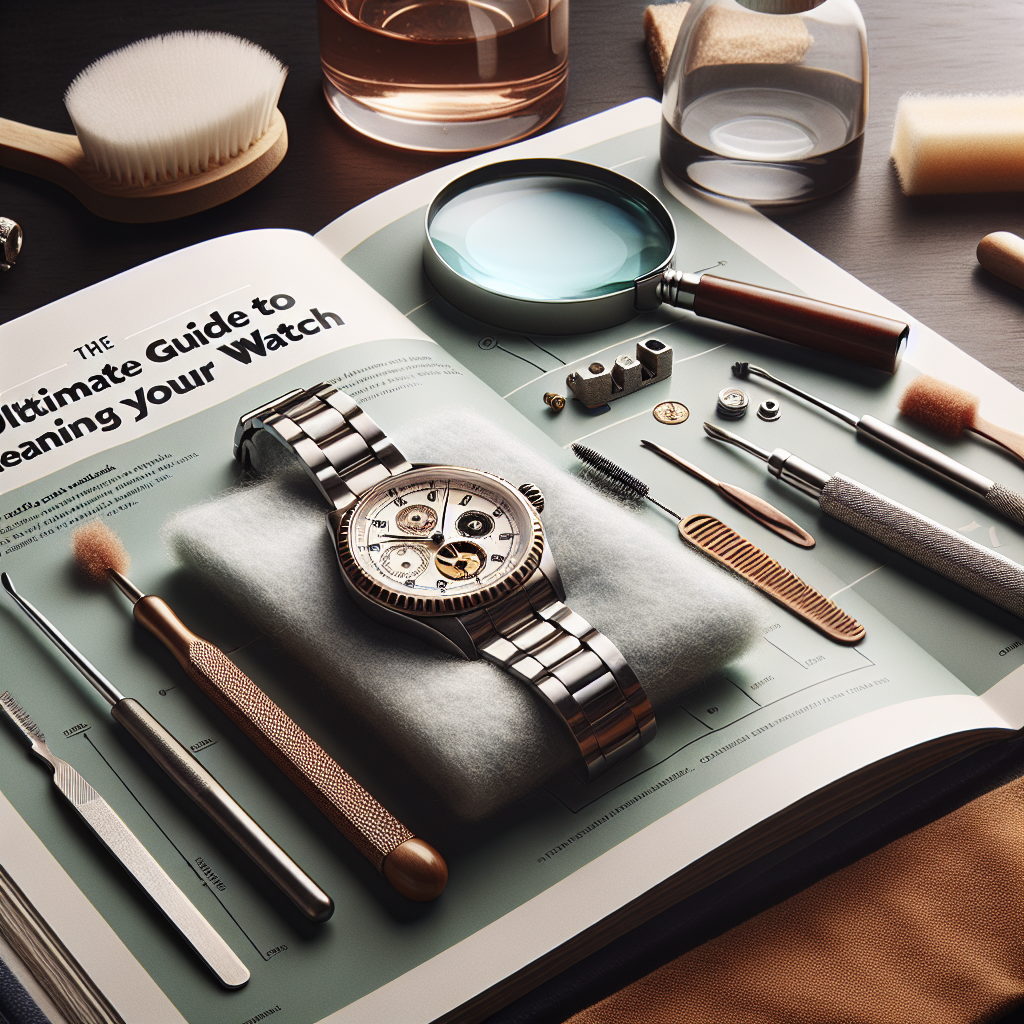
Before diving into the cleaning process, gather the following materials:
- Soft lint-free cloth
- Mild soap and water
- Brush with soft bristles (like a toothbrush)
- Soft microfiber cloth
- Watch lubricant (optional, for mechanical watches)
- Jewelers’ cloth (for polished or high-end watches)
Step-by-Step Guide to Cleaning Your Watch
Step 1: Prepare the Work Area
Find a clean, well-lit surface to work on. This reduces the chance of losing small parts and makes it easier to see any dirt or grime.
Step 2: Remove the Strap
If your watch has a removable strap, detach it. This will allow you to clean both the watch case and strap thoroughly.
Step 3: Clean the Watch Case
-
Wash with Soap and Water: Mix a few drops of mild soap with warm water. Use a soft brush to gently scrub the watch case, paying special attention to grooves and edges where dirt often collects.
-
Rinse: Rinse the case under lukewarm running water. Be cautious not to get water inside the watch if it’s not water-resistant.
-
Dry: Pat it dry with a soft cloth, making sure to remove any remaining moisture.
Step 4: Clean the Strap
Leather Straps
- Wipe Down: Use a damp cloth to wipe the strap, avoiding soaking it in water.
- Condition: Occasionally, use a leather conditioner to keep it supple.
Metal Straps
- Brush: Use a soft-bristled brush to scrub between the links and remove dirt.
- Wash: If the strap is highly soiled, dip it in soapy water and scrub gently.
- Rinse and Dry: Rinse thoroughly and dry using a soft cloth.
Fabric Straps
- Machine Washable: Most fabric straps can be machine washed on a gentle cycle. Check the manufacturer’s recommendations first.
- Hand Wash: For a hand wash, use soft soap and a brush or cloth to scrub gently.
Step 5: Inspect the Watch
After cleaning, inspect the watch for any signs of wear or damage. If you notice scratches or functional issues, it may be time for professional servicing.
Step 6: Optional Lubrication
If you own a mechanical watch and feel comfortable doing so, consider applying a small amount of watch lubricant to keep the movement functioning smoothly. Refer to the manufacturer’s guidelines before applying any lubricant.
Step 7: Reattach the Strap
Once everything is clean and completely dry, reattach the strap to your watch. Ensure it is secured properly.
Step 8: Final Polish
Using a jeweler’s cloth, give your watch a final polish to enhance its shine and remove any fingerprints.
Tips for Specific Watch Types
Water-Resistant Watches
Always check the watch’s water-resistance rating before cleaning it with water. If it’s rated for water resistance, you can follow the washing steps above, but still avoid exposure to hot water or steam.
Smartwatches
Smartwatches often have sensitive displays. Avoid using harsh chemicals and opt for a damp cloth for cleaning screens and sensors.
Expensive Luxury Watches
For high-end watches, consider taking them to a professional for a deep clean and servicing. They have specialized tools and cleaner solutions that are safe for delicate materials.
FAQs
1. Can I use vinegar or alcohol to clean my watch?
Using vinegar or alcohol is not recommended as they can damage specific materials and finishes. Stick to mild soap and water.
2. How can I remove scratches from my watch?
While minor scratches can be buffed out with specialized products, deeper scratches may require professional help.
3. Will cleaning affect my watch’s water resistance?
Improper cleaning methods can compromise water resistance. Always follow the manufacturer’s cleaning instructions and consult a professional for service if unsure.
4. Can I clean a quartz watch differently than a mechanical one?
The cleaning process is largely the same. However, mechanical watches may require additional lubrication, which quartz watches typically do not need.
5. How do I store my watch after cleaning?
Once cleaned and dried, store your watch in a dry, temperature-controlled environment away from direct sunlight. Use a soft watch pouch or box to protect it from scratches.
Conclusion
Cleaning your watch is an essential part of ownership. With consistent care, you can keep your timepiece looking its best and functioning optimally. Whether you have a fitness tracker, a luxury watch, or an everyday timepiece, following this ultimate guide ensures that your watch maintains its elegance and longevity. Regular maintenance not only preserves your investment but also allows you to enjoy the beauty and function of your cherished watch for many years to come.