In the ever-evolving world of horology, quartz watches have carved out a niche that combines technological innovation with aesthetic elegance. Originating in the late 20th century, quartz movement transformed the watch industry, introducing a level of precision and reliability previously unseen in mechanical timepieces. Today, quartz watches not only remain functional accessories but have also become style statements that bridge the gap between casual and formal wear. This article delves into the allure of quartz watches, exploring their precision, design, and enduring popularity.
The Evolution of Quartz Technology
Before the advent of quartz timekeeping, mechanical watches dominated the market. These intricate devices relied on gears and springs, necessitating meticulous craftsmanship and regular winding. While enchanting in their complexity, mechanical watches had their limitations, often suffering from imprecision due to factors like gravitational pull, temperature, and friction.
The introduction of quartz watches in the 1960s was a game changer. Utilizing a small piece of quartz crystal and a battery, these watches could keep time with incredible accuracy. When an electric current passes through the quartz, it vibrates at a consistent frequency, allowing the watch to maintain accuracy within seconds over months or even years. This marked the onset of the “Quartz Revolution,” which fundamentally reshaped consumers’ perspectives on timekeeping.
Precision: The Heart of Quartz Watches
The hallmark of quartz watches is undoubtedly their precision. Unlike mechanical watches that may deviate by several seconds a day, quartz watches are significantly more reliable. A well-manufactured quartz watch can lose or gain just a few seconds in a year. This reliability has made quartz watches the preferred choice for many people who value accuracy in their daily lives. Whether you’re a busy professional or an athlete tracking workout times, a quartz timepiece offers the consistency needed to stay on schedule.
Design Meets Functionality
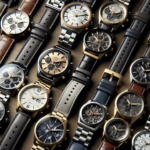
While precision is critical, the appeal of quartz watches extends beyond their technical prowess. Today’s quartz watches come in a plethora of designs, catering to various tastes and occasions. From sleek, minimalist styles to bold, statement pieces adorned with gemstones, quartz watches have become an essential accessory for many.
-
Minimalist Aesthetic: Many modern quartz watches embrace a minimalist design ethos, featuring clean lines and understated dials. Brands such as Daniel Wellington and MVMT have popularized this trend, appealing to a younger audience that values both style and functionality.
-
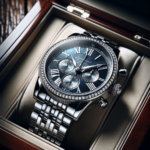
Luxury Appeal: Some high-end brands have integrated quartz movements in their luxury timepieces, attesting to the technology’s versatility. Brands like Cartier and TAG Heuer have released quartz models that meld luxury and precision, providing wearers with sophistication and accuracy.
-
Sport and Adventure: For those with active lifestyles, quartz watches designed for sports and outdoor activities offer durability and resilience. Brands like Garmin and Suunto cater to enthusiasts by integrating advanced features such as GPS, heart rate monitoring, and multiple chronograph functionalities—all powered by reliable quartz movements.
-
Smart Watches: With the integration of technology, quartz watches have also evolved into smartwatches. These devices, powered by quartz movements, combine traditional timekeeping with smartphone features, allowing users to receive notifications, monitor fitness levels, and more, all while maintaining an elegant appearance.
The Cultural Significance of Quartz Watches
Beyond functionality and design, quartz watches carry cultural significance that resonates with diverse demographics. They represent a shift towards modernity, technology, and accessibility. The Quartz Revolution democratized time, making it affordable and attainable for a wider audience. Brands that might have once catered only to the elite began to produce quartz watches, laying the groundwork for the current market.
Quartz watches have also become emblematic of personal style. They allow individuals to express their personalities through a variety of designs, materials, and colors. A simple quartz watch can elevate a casual outfit, while a luxurious quartz model can serve as a stunning complement to formal attire. This versatility underscores the positioning of quartz watches as not just functional tools but as expressions of individuality and lifestyle.
Maintenance and Longevity
One of the significant advantages of quartz watches is their low maintenance requirements. Unlike mechanical watches that require regular servicing, quartz watches typically only need battery replacements every few years. This ease of maintenance contributes to their allure, making them practical for everyday wear.
For the eco-conscious consumer, many brands have introduced solar-powered quartz watches. These timepieces harness sunlight to recharge their batteries, reducing the need for battery replacements and promoting sustainability. As awareness surrounding environmental issues continues to grow, solar quartz watches are becoming more popular.
The Future of Quartz Watches
Looking ahead, the quartz watch industry shows no signs of slowing down. As technology continues to advance, quartz movements are expected to become even more refined and efficient. Innovations such as hybrid movements are emerging, blending the reliability of quartz with elements of mechanical engineering to create unique and complex timepieces.
Moreover, the rise of digital technology is steering the quartz watch market towards smartwatches, which are becoming increasingly popular. These devices not only tell time but also offer myriad functionalities that enhance daily life. As traditional brands adapt to the digital age, the quartz movement will likely play a crucial role in their innovations.
FAQs
1. What is the primary advantage of quartz watches over mechanical watches?
Quartz watches are significantly more accurate, often losing or gaining only a few seconds per year, while mechanical watches can vary by several seconds a day. Additionally, quartz watches typically require less maintenance.
2. How often do quartz watch batteries need to be replaced?
Most quartz watch batteries last between 2 to 5 years, depending on the watch model and usage patterns. Regular battery checks can help ensure the watch consistently performs.
3. Are quartz watches considered luxury timepieces?
Yes, many luxury brands produce high-end quartz watches that incorporate premium materials and craftsmanship, proving that quartz movements can complement luxury design.
4. Can quartz watches be repaired?
Yes, quartz watches can often be repaired. Common issues include battery replacement and servicing when necessary, which usually requires less maintenance than mechanical watches.
5. What are solar quartz watches?
Solar quartz watches use solar cells to convert light into energy, allowing the watch to run without battery replacements for years, provided they receive adequate light exposure.
6. Are quartz watches suitable for sports and outdoor activities?
Absolutely! Many quartz watches are designed specifically for sports and outdoor use, equipped with features like water resistance, GPS, and durability to withstand various conditions.
Conclusion
Quartz watches have evolved from a revolutionary technology into a staple of modern fashion and functionality. With precision and style at their core, these timepieces continue to appeal to a wide audience, balancing practicality with elegance. As they adapt to contemporary trends and technological advancements, quartz watches are set to maintain their allure for years to come. Whether you’re a watch enthusiast, a casual wearer, or someone seeking a reliable timepiece, the world of quartz watches has something for everyone.