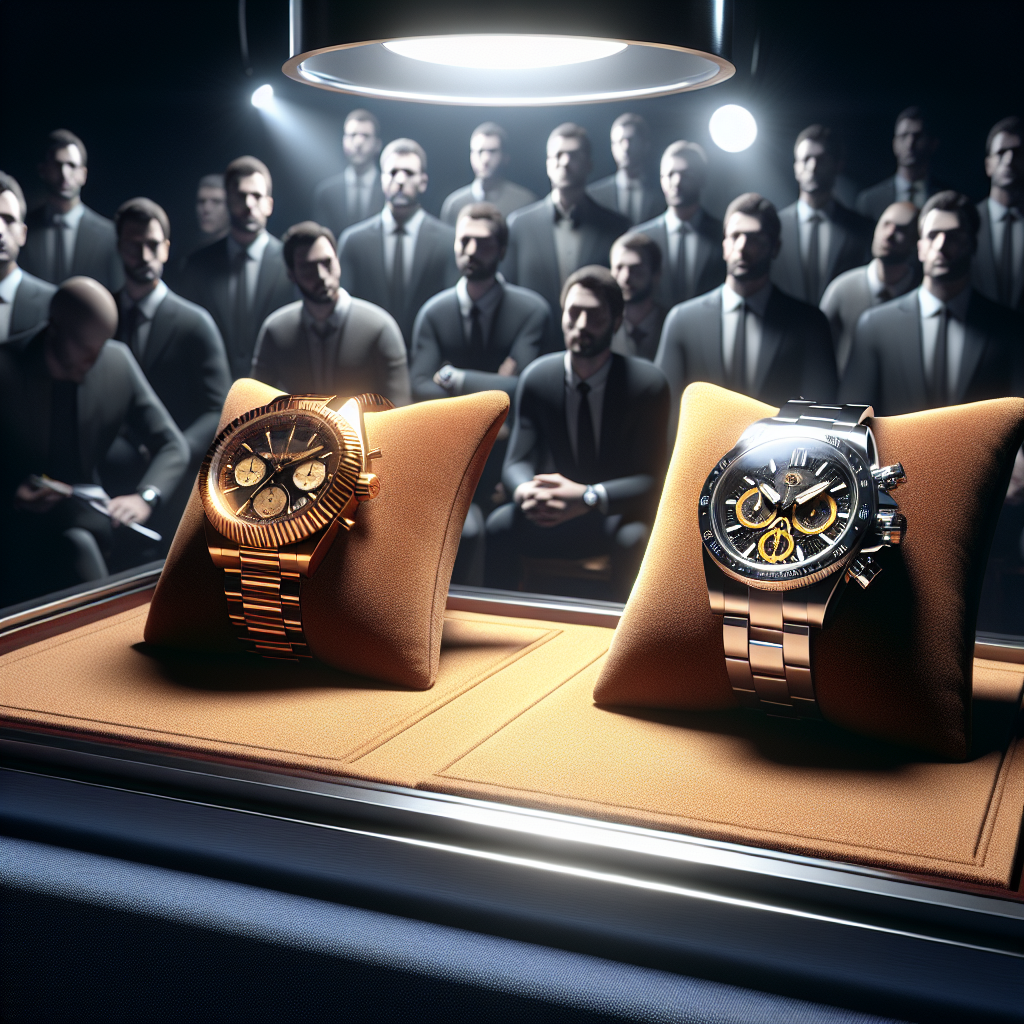
When it comes to luxury watches, two names dominate the conversation: Rolex and Omega. Both brands offer remarkable craftsmanship, timeless designs, and rich histories, making them perennial favorites among collectors, enthusiasts, and luxury consumers alike. In this article, we’ll explore the origins, key models, innovations, and the unique traits that distinguish Rolex from Omega, ultimately offering a comprehensive comparison between these titans of horology.
A Brief History
Rolex: A Legacy of Precision
Founded in 1905 by Hans Wilsdorf and Alfred Davis in London, Rolex quickly established itself as a leader in the watchmaking industry. The brand moved to Geneva, Switzerland, in 1919, solidifying its reputation as a luxury manufacturer. Rolex is renowned for its emphasis on precision, reliability, and innovation. The company was responsible for several watchmaking milestones, including the first waterproof wristwatch, the Oyster, introduced in 1926.
Omega: Innovation and Adventure
Omega was founded in 1848 by Louis Brandt in La Chaux-de-Fonds, Switzerland. Initially a small workshop, the brand grew rapidly and became known for its precision timekeeping. Omega gained international fame when it was chosen by NASA as the official watch for space missions, including the historic Apollo 11 moon landing. This legacy of adventure and exploration has positioned Omega as a brand synonymous with innovation and technical excellence.
Design Philosophy
Rolex: Iconic Design
Rolex watches are easily identifiable, characterized by their robust cases, distinctive bezels, and signature Oyster cases. The brand emphasizes simplicity and elegance in its designs, often opting for timeless aesthetics over fleeting trends. Notable collections include the Submariner, Daytona, and Datejust, each displaying the brand’s hallmark features such as the cyclops lens on the crystal, a date function, and chronograph options in select models.
Omega: Versatile Aesthetics
Omega, on the other hand, is known for its versatility in design. From the sleek, modern styles of the Seamaster Aqua Terra to the vintage charm of the Speedmaster Professional, Omega offers a broader range of aesthetics. The brand frequently collaborates with designers and artists, resulting in limited editions that appeal to a variety of tastes. Omega watches may incorporate unique details, like tachymetric scales on the Speedmaster, reflecting a more adventurous spirit.
Craftsmanship and Technology
Rolex: In-House Excellence
Rolex prides itself on its in-house manufacturing processes, producing nearly all components of each watch in-house. This includes cases, movements, and even dials. Rolex watches are renowned for their durability and reliability, often exceeding COSC (Contrôle Officiel Suisse des Chronomètres) certification standards, ensuring exceptional timekeeping accuracy.
Innovations
- Cerachrom Bezel: Introduced on the Submariner models, this ceramic bezel is highly scratch-resistant and retains its color over time.
- Perpetual Movement: Rolex’s self-winding movement allows for continuous energy generation, making the watches more reliable.
Omega: Pioneering Technology
Omega has received accolades for its innovative approaches to watchmaking, such as the introduction of the Co-Axial escapement, which reduces friction and enhances precision. Omega also uses top-grade materials and employs modern manufacturing techniques, ensuring that each watch meets the highest standards of quality.
Innovations
- Co-Axial Escapement: This groundbreaking technology significantly increases the longevity and accuracy of the movement.
- Master Chronometer Certification: Omega offers an even higher standard than COSC, tested in a range of positions and temperatures for ultimate precision.
Iconic Models
Rolex
- Rolex Submariner: A benchmark in the diving watch category, known for its functionality and stylish presence on land and sea.
- Rolex Daytona: Originally designed for motorsport, the Daytona is a symbol of luxury and precision timing, with a chronograph function that appeals to race enthusiasts.
- Rolex Datejust: The epitome of classic watchmaking, this model offers versatility, elegance, and a wide range of customization options.
Omega
- Omega Speedmaster: Famous for being the first watch worn on the moon, the Speedmaster is celebrated for its robust design and chronograph functions, blending practicality with historical significance.
- Omega Seamaster: This model combines sporting and luxurious elements, known for its water resistance and association with James Bond films.
- Omega Constellation: A true symbol of Omega’s elegance, this watch combines classic lines with modern tech and is often adorned with diamonds for extra luxury.
Market Perception and Brand Value
Rolex: A Status Symbol
Rolex watches are often perceived as the ultimate symbol of success and prestige. The brand’s marketing strategy has consistently emphasized the idea that a Rolex is not just a watch—it is a statement of status. The limited availability of certain models, especially the Daytona and Submariner, has created a high demand in the secondary market, often resulting in price escalations.
Omega: The Adventurous Spirit
Omega, while still a luxury brand, tends to appeal to a different demographic. The brand’s association with exploration, adventure, and functionality appeals to those who value innovation and travel. Omega’s pricing is generally more accessible than Rolex, making it a popular choice among those who seek quality without the acute status connotations associated with Rolex.
Resale Value and Investment
When considering luxury watches as investment pieces, Rolex has consistently demonstrated higher resale values. Their scarcity, coupled with a loyal following, means that many models appreciate over time, often outperforming major stock indices measured over the same period.
Omega watches tend to hold their value reasonably well, especially iconic models like the Speedmaster and Seamaster. However, they do not quite reach the astronomical heights that Rolex achieves in the resale market. This makes Rolex a more solid choice for collectors looking to invest.
Conclusion: The Final Verdict
Ultimately, whether to choose Rolex or Omega comes down to personal preference, style, and the intended purpose of the watch. Rolex embodies unparalleled prestige, timelessness, and reliability, making it a go-to for those seeking an iconic status symbol. Omega, rich in historical significance and innovation, offers a versatile and adventurous spirit, catering to a broader audience.
Both brands stand alone in their excellence and craftsmanship, symbolizing the best of what the luxury watch industry has to offer. Whether you appreciate the comprehensive legacy of Rolex or the pioneering spirit of Omega, either choice represents a wise investment in artistry and horological tradition. In the end, the best watch is the one that resonates with your style, life, and aspirations.