In the ever-evolving landscape of technology, smartwatches have emerged as pivotal gadgets that integrate both convenience and advanced health tracking into our daily lives. Gone are the days when watches merely served as timekeeping devices. Today, they are dynamic tools that bridge the gap between personal health management and lifestyle enhancement. This article explores how smartwatches are revolutionizing lifestyle and health, examining their features, benefits, and future potential.
An Overview of Smartwatches
Smartwatches are wrist-worn devices that connect to smartphones, providing notifications, apps, and health tracking capabilities. They have advanced remarkably since their inception, with many models now equipped with sensors to monitor various health parameters such as heart rate, sleep patterns, and physical activity. As technology advances, the line between smartwatches and miniaturized health platforms continues to blur.
The Rise of Health Tracking
One of the most significant transformations brought about by smartwatches is the shift towards personal health monitoring. Fitness trackers have long been popular, but smartwatches take this concept further by offering comprehensive health data in one device.
Heart Rate Monitoring
Smartwatches come equipped with heart rate sensors that offer real-time tracking, providing users with insights into their heart health. Continuous monitoring can alert users to irregular heart rates, enabling earlier intervention when necessary. This capability is particularly beneficial for individuals with pre-existing heart conditions or those seeking to understand their cardiovascular health better.
Sleep Tracking
In today’s fast-paced society, sleep has become one of the first casualties. Many smartwatches offer sleep tracking features, which monitor sleep quality and patterns, helping users understand their habits. This information can encourage better sleep practices, ultimately leading to improved overall health. By evaluating sleep cycles, users can make informed decisions about when to seek professional help if sleep issues persist.
Activity Tracking and Encouragement
Smartwatches encourage physical activity by tracking steps taken, calories burned, and distance traveled. Many models come with integrated coaching features that promote movement throughout the day. Setting daily goals can motivate users not only to meet them but also to exceed them. This gamification of fitness makes exercising more engaging and can foster healthier habits over time.
Enhancing Lifestyle
Beyond health monitoring, smartwatches significantly enhance lifestyle by integrating seamlessly with everyday activities.
Notifications and Connectivity
Smartwatches serve as a communication hub, offering notifications for calls, texts, and emails directly on the wrist. This convenience allows users to manage their time efficiently, reducing distractions and promoting focus on tasks at hand. The ability to respond to messages and alerts without reaching for a smartphone can help users stay organized and present.
Customization and Personalization
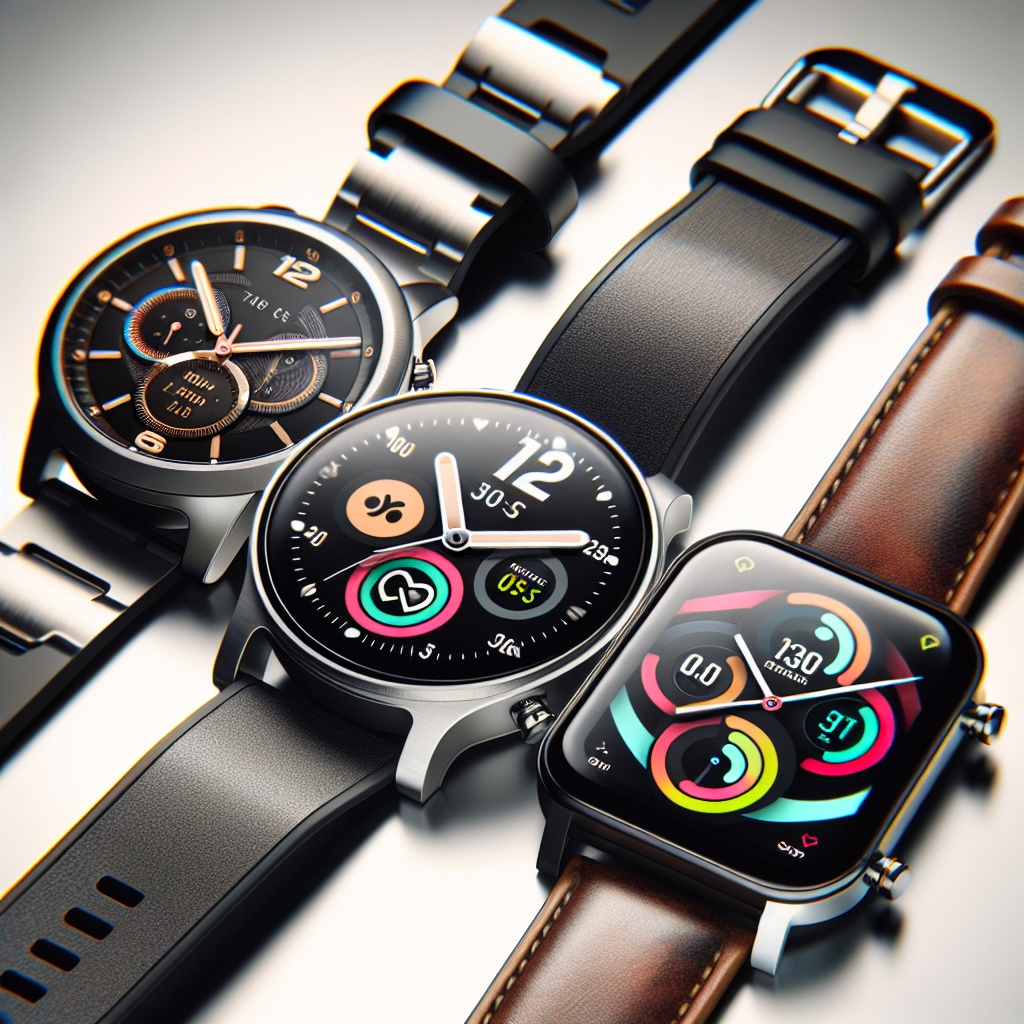
Modern smartwatches boast extensive customization options, allowing users to personalize watch faces, apps, and even fitness goals. With a wide array of available apps, users can tailor their smartwatch experience to suit their unique preferences, whether by adding productivity tools, meditation aids, or social media notifications. This degree of personalization fosters a deeper connection with the device, enhancing its utility and appeal.
Fashion Statement
Beyond functionality, smartwatches have evolved into fashion accessories. With various styles, colors, and customizable bands, they cater to diverse aesthetics, allowing wearers to express their individuality. As a result, the smartwatches’ status as a piece of wearable technology has evolved into a statement piece that complements personal style.
Challenges and Considerations
Despite the undeniable advantages of smartwatches, several challenges should be addressed to maximize their potential impact.
Data Privacy and Security
As smartwatches collect sensitive health data, concerns surrounding data privacy and security have emerged. Users must ensure their devices are secure and vigilant about the apps they use, as some may compromise privacy. Manufacturers must also prioritize security measures to protect users’ data from potential breaches.
Battery Life and Dependence
Smartwatches can experience limited battery life depending on usage, particularly when multiple features are activated. Regular charging can become a burden for some users, leading to instances where devices are left uncharged and diminish their intended utility. Manufacturers need to continue to innovate in this space to extend battery life and enhance user satisfaction.
Reliance on Technology
As smartwatches become ingrained in daily routines, there is a potential for over-reliance on these devices for health management and lifestyle choices. Users must maintain a balance, ensuring that technology complements rather than controls their lives. Education on the appropriate use of smartwatch features is essential to maintaining healthy habits and perspectives.
The Future of Smartwatches in Health and Lifestyle
As technology advances, the future of smartwatches holds immense potential. Emerging capabilities suggest that smartwatches may soon transition into comprehensive health monitoring platforms.
Advanced Health Metrics
Future smartwatches could feature enhanced capabilities to monitor additional health parameters, such as blood glucose levels, blood pressure, and even stress levels through advanced biometrics. These innovations could empower users to manage chronic conditions proactively and improve their quality of life.
Artificial Intelligence and Machine Learning
By integrating artificial intelligence (AI) and machine learning technologies, smartwatches could analyze data more intelligently, offering personalized insights and health recommendations. Users may receive tailored advice based on their unique health patterns, allowing for more informed lifestyle choices.
Seamless Integration with Healthcare Systems
As telehealth becomes more prevalent, smartwatches could facilitate seamless interactions between users and healthcare providers. Real-time health data could be shared with medical professionals, enabling timely interventions and informed decision-making. This integration could transform the way healthcare is delivered, allowing for proactive health management.
Expanded Fitness and Wellness Programs
Fitness and wellness programs will likely evolve to leverage smartwatch capabilities, offering curated content directly through the device. This could include guided workouts, meditation sessions, and dietary tracking, enhancing users’ overall wellness journeys.
Conclusion
Smartwatches represent a remarkable convergence of technology, health, and lifestyle, ushering in a new era of personal management. As they continue to evolve and expand their capabilities, smartwatches are poised to play a central role in our everyday lives, revolutionizing how we monitor our health and interact with the world around us. The future on our wrists looks promising, with the potential for smarter, more integrated devices that not only enhance our daily routines but also empower us to take control of our health like never before.