Timekeeping is more than just a function of measuring the passing seconds; it is an art form that blends precision, craftsmanship, and history. As we look to the world of horology, watch repair unveils a fascinating domain for enthusiasts and aspiring watchmakers alike. This guide aims to help beginners navigate the fundamental principles and practices of watch repair, empowering you to breathe new life into your timepieces.
Understanding Watches: The Basics
Before diving into the intricacies of watch repair, it’s essential to grasp the fundamental components of a watch. Though watches can vary widely in design and functionality, they generally consist of several key elements:
-
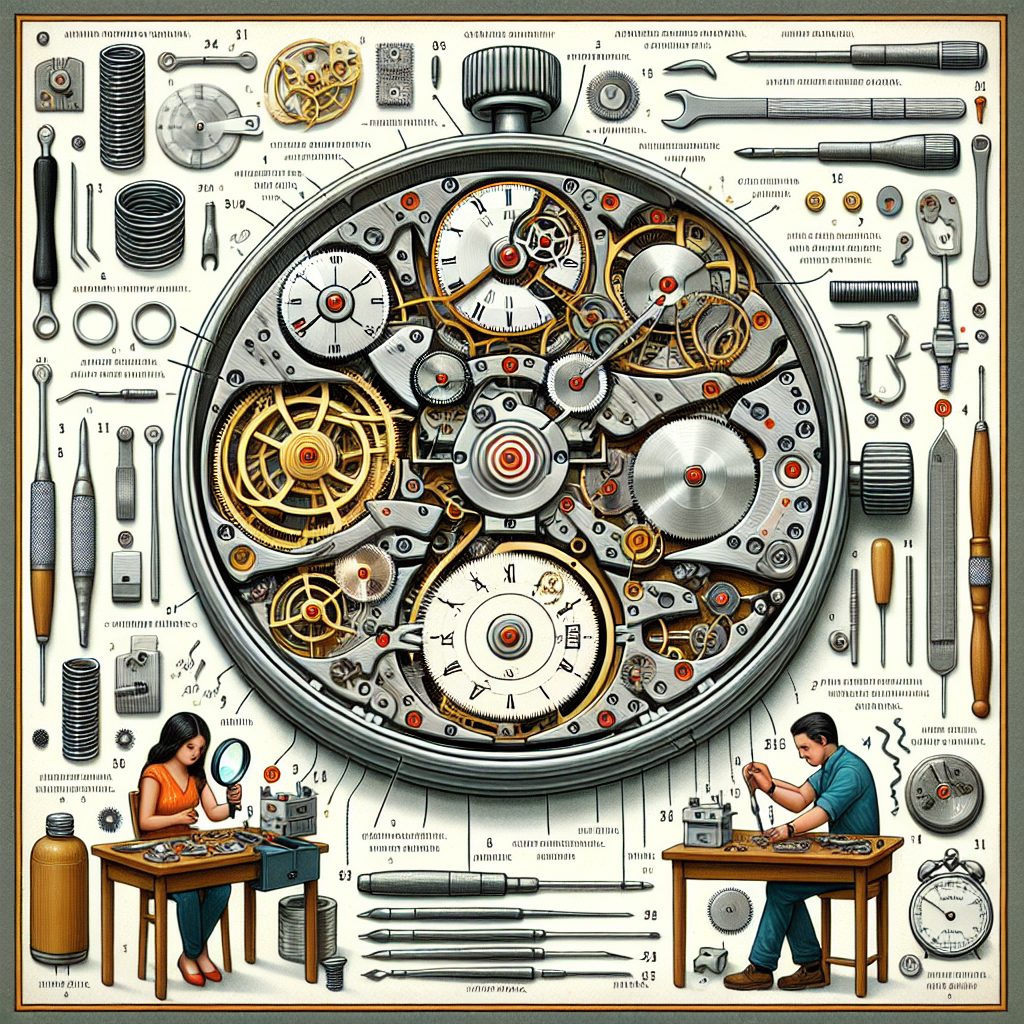
Movement: The heart of the watch, the movement (or caliber) controls how the watch keeps time. There are two primary types: mechanical (manual and automatic) and quartz. Mechanical movements rely on a mainspring, while quartz movements use a battery.
-
Case: This is the outer shell that protects the delicate inner workings of the watch. It also serves as a stylish frame for the dial.
-
Dial: The face of the watch, where you can find the hour markers, hands, and other features like chronographs or date windows.
-
Crystal: The transparent cover that protects the dial. It can be made from materials like sapphire, mineral glass, or acrylic.
-
Strap or Bracelet: The band that secures the watch to your wrist, which can be made from leather, stainless steel, rubber, or fabric.
Understanding these components is crucial for anyone interested in watch repair, as it provides the foundation on which you build your skills.
Gathering Essential Tools
A successful watch repair endeavor hinges on having the right tools. While you don’t need an extensive arsenal to start, some basic tools are vital for watch repair:
-
Watchmaker’s Screwdrivers: These come in various sizes and are essential for loosening and tightening screws.
-
Tweezers: Precision tweezers help handle small components without damaging them.
-
Case Opening Tool: This tool allows you to safely open the watch case without scratching or damaging it.
-
Loupe: A magnifying tool that helps you see the tiny details of watch parts more clearly.
-
Spring Bar Tool: This tool helps with removing and replacing the straps or bracelets.
-
Cleaning Supplies: A soft cloth, brush, and proper cleaning solution will keep your watch components free of dust and dirt.
Investing in quality tools will enhance the efficiency and precision of your repairs, allowing you to celebrate the art of horology with greater satisfaction.
Basic Watch Repair Techniques
1. Battery Replacement
For quartz watches, battery replacement is a fundamental task. Here’s how to do it:
- Use your case opening tool to gently pry off the case back, being cautious not to scratch the surface.
- Once open, identify the battery and carefully remove it using your tweezers.
- Replace it with a new, compatible battery, ensuring it is oriented correctly.
- Reassemble the watch case, ensuring a snug fit to maintain water-resistance.
2. Strap Replacement
Changing a watch strap is an excellent way to refresh the look of an old timepiece:
- Use your spring bar tool to disengage the spring bars holding the strap in place.
- Remove the old strap and align the new one, securing it in place by pressing the spring bars back into the lugs of the watch case.
- Ensure the strap is tight and secure before wearing the watch.
3. Cleaning
Maintaining your watch’s cleanliness can prolong its lifespan. Here’s a basic cleaning procedure:
- Remove the strap or bracelet.
- Wipe the case and crystal with a microfiber cloth to remove dirt and fingerprints.
- Use a soft brush and a mild cleaning solution to gently clean the case and bracelet.
- Dry completely before reassembling.
4. Movement Maintenance
For mechanical watches, periodic maintenance is crucial. While full disassembly is complex, you can conduct basic maintenance:
- Wind mechanical watches regularly to keep the lubricants evenly distributed.
- If you hear unusual noises or if the watch stops working, it may require a professional service or a more thorough inspection.
Learning from Resources
While practical experience is irreplaceable, leveraging external resources can significantly enhance your learning:
-
Books on Watch Repair: There are numerous books covering the basics to advanced techniques in watch repair.
-
Online Tutorials: Video tutorials on platforms like YouTube offer visual guidance for various repair tasks.
-
Workshops: Consider attending local workshops or classes in horology. They provide hands-on experience under the guidance of experienced watchmakers.
-
Forums and Communities: Engaging with fellow watch enthusiasts can offer insights, tips, and troubleshooting advice. Websites like Reddit and dedicated watch forums are valuable resources.
Embracing the Art of Watchmaking
Repairing watches is not merely a mechanical endeavor; it’s a journey into art, history, and craftsmanship. Each watch has its own story, and with each repair, you become a custodian of that narrative. The satisfaction derived from fixing a beloved timepiece is profound—an accomplishment that mirrors the pride of skilled artisans.
As you progress, consider exploring more complex repairs, such as regulating the movement or even assembling a watch from scratch. The world of horology is deep and rewarding, inviting you to master the art of timekeeping at your own pace.
Conclusion
Embarking on the journey of watch repair is as much about passion as it is about skill. By understanding the basic components, gathering the right tools, practicing fundamental techniques, and continually learning, you can not only preserve your own watch collection but also appreciate the artistry behind timepieces. Whether you’re repairing for practicality or pursuing a creative outlet, mastering the art of timekeeping offers a fulfilling path that bridges past and present. Embrace the challenge, and remember: every tick you hear is a victory earned on your journey through the world of horology.