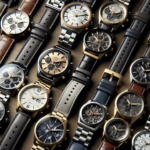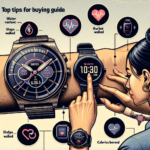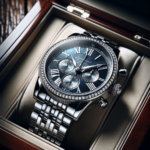
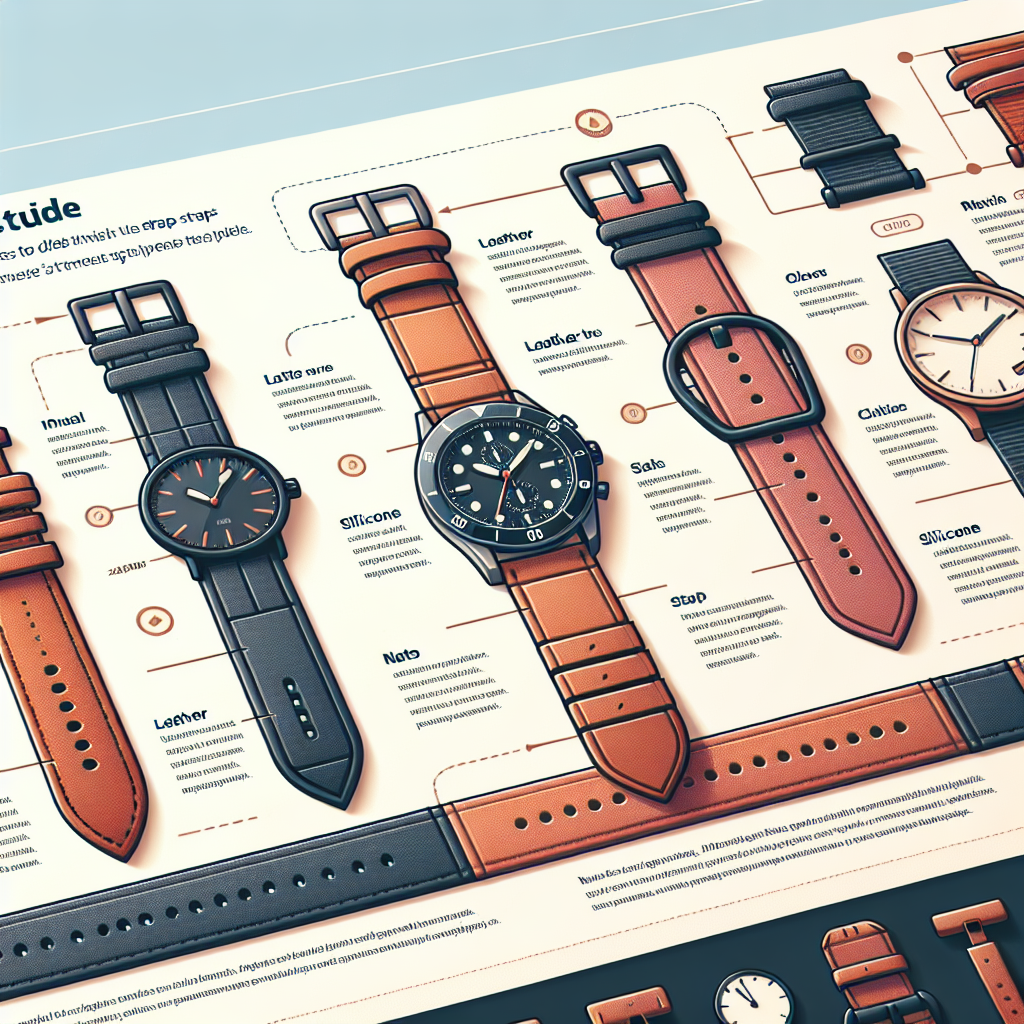
When it comes to wristwatches, the strap is not just a functional component; it’s an extension of your personal style. The right watch strap can enhance the watch’s aesthetic appeal, improve comfort, and even affect its functionality. With a multitude of materials, colors, and styles available, the process of choosing the perfect strap can be overwhelming. This comprehensive guide will walk you through the essentials of selecting the right watch strap to suit your needs and taste.
Understanding Watch Strap Types
1. Material Matters
The first step in choosing the right watch strap is understanding the various materials available. Each material has unique characteristics that cater to specific needs and styles.
-
Leather: Classic and timeless, leather straps add sophistication and a touch of luxury. They come in various finishes, including calfskin, alligator, and suede. Leather is best suited for formal or semi-formal occasions.
-
Metal: Stainless steel, titanium, and other metals create a durable and sleek look. Metal straps can be both dressy and casual, making them versatile choices for various occasions.
-
NATO Straps: Originally designed for military use, NATO straps are made from nylon, featuring a robust and durable nature. They come in numerous colors and patterns, making them a fun and casual option.
-
Rubber and Silicone: These straps are popular for sports and diving watches due to their water resistance and durability. They provide comfort and can handle rugged conditions.
-
Fabric: Canvas or textile straps provide a casual and rugged alternative. They are lightweight and can often be found in vibrant colors and patterns.
2. Width and Fit
The width of the strap is crucial for a comfortable fit and aesthetic balance. Measure the lugs (the points where the strap connects to the watch head) to determine the correct width. Common widths range from 18mm to 24mm. A strap that is too small can look awkward, while one that is too large may feel uncomfortable.
3. Buckle Style
The buckle is another important aspect that can influence both functionality and style. Common buckle styles include:
-
Pin Buckle: The traditional buckle with a pin that slides through the strap holes, offering a classic look and adjustability.
-
Deployant Closure: A more complex buckle that folds the strap back on itself, providing a secure fit while being easy to put on and take off.
-
Tang Buckle: Similar to the pin buckle but often more intricate. It can include unique designs that add character to the strap.
4. Style and Aesthetics
The strap’s style should complement your watch and personal fashion. Consider these factors:
-
Color: Choose a color that matches or contrasts effectively with your watch. Neutrals like black, brown, and gray are versatile, while brighter colors can make a statement.
-
Pattern: Straps with patterns (like plaid, camouflage, or stripes) can add personality to your timepiece. Ensure the pattern aligns with your overall style.
-
Lifestyle and Occasion: Consider where you’ll be wearing the watch. A sturdy rubber strap is perfect for sports, while a delicate leather strap may suit formal events better.
Special Considerations
1. Durability vs. Comfort
Ensure that the strap will not only look good but also withstand daily wear. For active individuals, materials like rubber or NATO straps will offer durability. Comfort is equally important, so be mindful of potential allergies or sensitivity to certain materials, especially metals.
2. Seasonal Changes
Your strap choice might also depend on the season. For example, leather can absorb moisture in summer, while rubber or fabric is often better for warm, humid conditions. Change your strap seasonally to maintain comfort and style.
3. Watch Type Compatibility
Some watches are designed with specific straps in mind. Dive watches, for example, usually work best with rubber or metal straps due to their water resistance. On the other hand, dress watches often pair better with leather or fabric.
4. Budget
Straps come in various price ranges. While it’s easy to fall into the trap of high-end luxury straps, there are many affordable yet stylish options available. Determine your budget ahead of time to narrow down your choices effectively.
Personalization
Custom watch straps are becoming increasingly popular. Many brands offer the possibility of personalizing your strap, whether through custom measurements, colors, or even engraved buckles. This adds a unique touch that can make your watch truly one-of-a-kind.
Maintenance Tips
Once you’ve chosen the perfect strap, proper care will extend its lifespan:
-
Leather: Clean with a damp cloth and apply leather conditioner intermittently to maintain suppleness.
-
Metal: Regularly polish to remove dirt and prevent tarnishing. A soft cloth works wonders.
-
Rubber/Silicone: Rinse with water after exposure to sweat or saltwater. Avoid harsh chemicals that can degrade the material.
-
NATO/Fabric: Wash in cold water to maintain cleanliness and prevent odors.
FAQs
1. How do I know what size strap I need?
Measure the width of the lugs where the strap will attach to the watch. This is usually between 18mm to 24mm for most watches.
2. Can I change my watch strap easily?
Yes! Most watch straps can be changed easily with a spring bar tool, though some may require more careful handling.
3. What is the best strap for a dress watch?
Leather straps, particularly those in dark or neutral colors, typically work best for dress watches.
4. Can I wear a rubber strap to a formal event?
While rubber straps are generally more casual, a sleek black rubber strap may be acceptable for less formal occasions. However, it is best to opt for leather or metal for formal events.
5. Are NATO straps durable?
Yes, NATO straps are highly durable due to their robust nylon construction, making them ideal for everyday wear and outdoor activities.
6. How often should I change my watch strap?
There’s no set timeline; however, changing your strap seasonally or when it shows significant wear can refresh your watch’s look.
Conclusion
Choosing the right watch strap is an art and science. With careful consideration of materials, styles, and personal preferences, you can enhance your wristwatch into a versatile accessory that reflects your unique style. Don’t be afraid to experiment with different straps; after all, variety is the spice of life. Happy strap hunting!