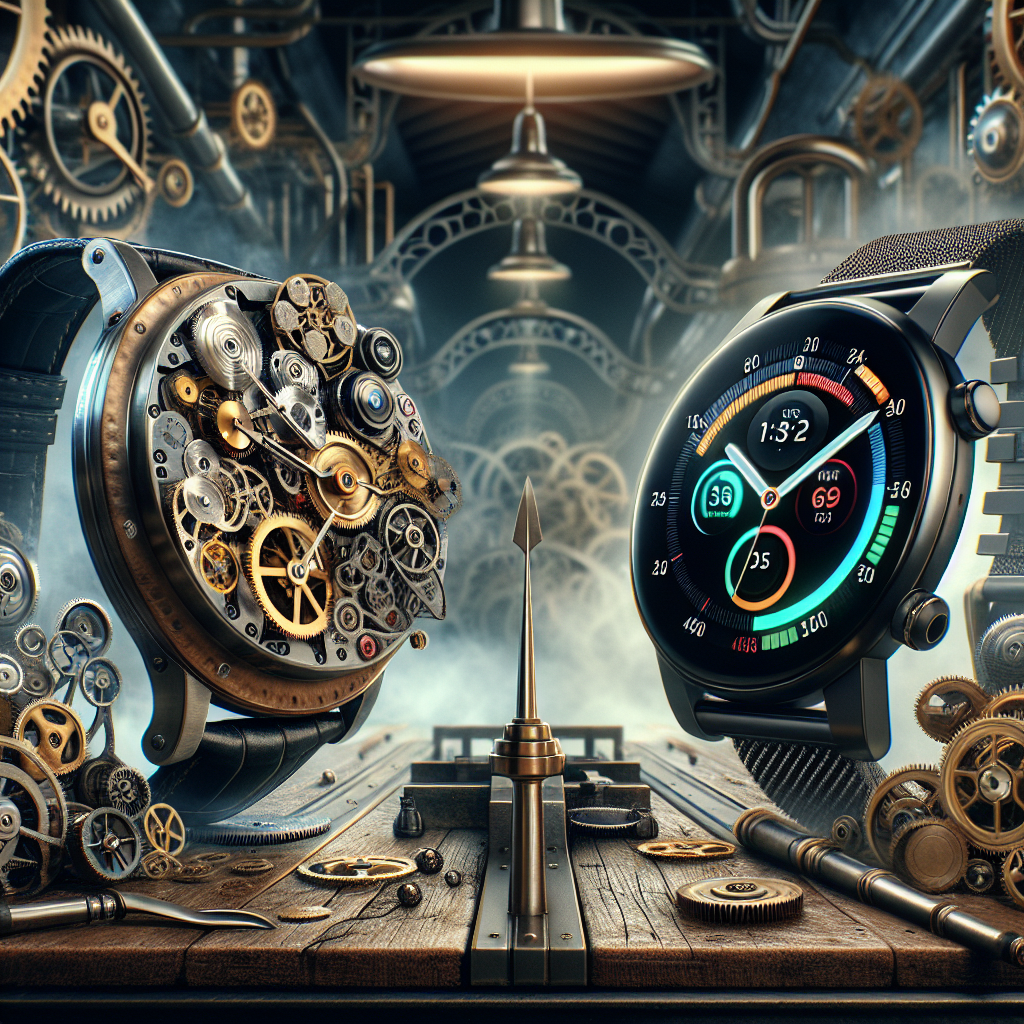
In a world where technology is advancing at lightning speed, the battle between the traditional art of horology and modern smartwatch innovation is a fascinating one. While mechanical timepieces have been revered for their craftsmanship and elegance for centuries, smartwatches have emerged as potent rivals, blending functionality with style. This article explores the strengths and weaknesses of both categories, their historical significance, and what the future may hold for these two approaches to timekeeping.
The Allure of Mechanical Masterpieces
A Rich History
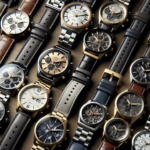
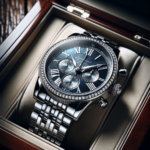
Mechanical watches date back to the 16th century and are considered nothing short of art. Renowned Swiss brands such as Rolex, Patek Philippe, and Jaeger-LeCoultre have crafted pieces that are as much about artistry as they are about timekeeping. The intricate movements of gears and springs, often visible through transparent backs, signify the watchmaker’s expertise.
Craftsmanship and Quality
Each mechanical watch is painstakingly assembled, often consisting of hundreds of individual components. This artisanal production process ensures that every piece is unique, with a charm that no machine can replicate. Collectors value these watches not just for their functionality but as pieces of art that signify wealth, status, or personal achievement.
Longevity and Value
Unlike smartwatches, which may become obsolete after a few years, mechanical watches have an intrinsic longevity. With proper care, they can last for generations, and many even appreciate in value over time. Vintage pieces, especially from renowned brands, can fetch astonishing prices at auctions, further solidifying their status as investment pieces.
The Rise of Smartwatch Innovation
Functionality and Versatility
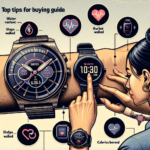
Smartwatches have revolutionized how we perceive timekeeping. Beyond showing the time, they offer functionalities ranging from fitness tracking and heart monitoring to email notifications and GPS navigation. For many, the smartwatch serves as a mini-computer on the wrist, integrating seamlessly with smartphones and apps.
Technology and Customization
With the integration of advanced technology, smartwatches can be highly customized. Users can choose watch faces, notifications, and applications that suit their individual lifestyles. This adaptability is a major selling point for a younger demographic that values personalization and convenience.
Health Monitoring Features
In recent years, health and wellness functionalities have skyrocketed in importance. Many smartwatches now come equipped with features such as sleep tracking, blood oxygen monitoring, and ECG capabilities. These features encourage users to adopt healthier lifestyles, proving that smartwatches can contribute significantly to personal well-being.
The Conflict of Culture
Different Approaches to Timekeeping
At its core, the duel between mechanical timepieces and smartwatches hinges on philosophical differences regarding timekeeping. Mechanical watches signify tradition, craftsmanship, and patience. They embody a lifestyle that values heritage and the art of engineering. In contrast, smartwatches embody modernity, technological advancement, and convenience. They cater to a fast-paced world that prioritizes function over form.
The Blurring of Lines
Interestingly, some brands are attempting to blend these two worlds. Hybrid watches, which combine mechanical movements with smartwatch features, are increasingly popular. These pieces appeal to traditionalists who want the beauty of mechanical craftsmanship while also benefiting from modern functionalities.
Consumer Preferences
The Market Landscape
Market research shows that the watch industry is evolving to accommodate both traditionalists and tech-savvy consumers. While the luxury mechanical watch market continues to thrive, smartwatches are capturing significant market share, especially among younger generations.
Emotional Connection vs. Practicality
Mechanical watches often evoke emotional connections. They’re passed down through generations, symbolize milestones, and carry stories that enhance their sentimental value. Conversely, smartwatches are often viewed as tools—functional gadgets that serve a specific purpose—leading to a different kind of attachment.
The Future of Timekeeping
Sustainability and Innovation
As both categories evolve, there are growing concerns about sustainability. Mechanical watchmakers are exploring eco-friendly materials and manufacturing practices, while smartwatch companies are focusing on improving battery life and integrating renewable energy sources.
The Ever-Expanding Market
Both markets are poised for growth. As smartwatches become more integrated into healthcare, their user base will likely expand. Meanwhile, the luxury mechanical watch market continues to attract collectors interested in heritage and craftsmanship.
Conclusion
In the duel between mechanical masterpieces and smartwatch innovation, both sides have distinct advantages and challenges. Mechanical watches represent the pinnacle of artisanal skill and timeless beauty, while smartwatches offer cutting-edge functionality and adaptability for a modern lifestyle. Ultimately, the choice between the two will depend on individual preferences, values, and needs.
Whether you’re captivated by the intricate gears of a Swiss watch or the sleek interface of a smartwatch, both timekeeping styles showcase the fascinating evolution of horology. The future may even see a harmonious coexistence where innovation and tradition enrich each other, proving that there’s room for both in the world of timekeeping.
FAQs
1. What is the main difference between mechanical watches and smartwatches?
Mechanical watches are traditional timepieces that rely on intricate mechanical movements, while smartwatches incorporate technology and software, offering features like fitness tracking, notifications, and apps.
2. Are mechanical watches worth the investment?
Yes, many mechanical watches can appreciate in value over time, especially those from renowned brands. They are often considered collector’s items and can be passed down through generations.
3. Can mechanical watches last a lifetime?
Yes, with proper care and regular maintenance, mechanical watches can last for many decades, even generations.
4. Are smartwatches suitable for fitness tracking?
Absolutely! Most smartwatches come with robust fitness tracking features, including heart rate monitoring, sleep tracking, and GPS capabilities.
5. What is a hybrid watch?
A hybrid watch combines elements of both mechanical and smartwatch technologies, offering the aesthetic appeal of traditional craftsmanship alongside modern functionalities like notifications and fitness tracking.