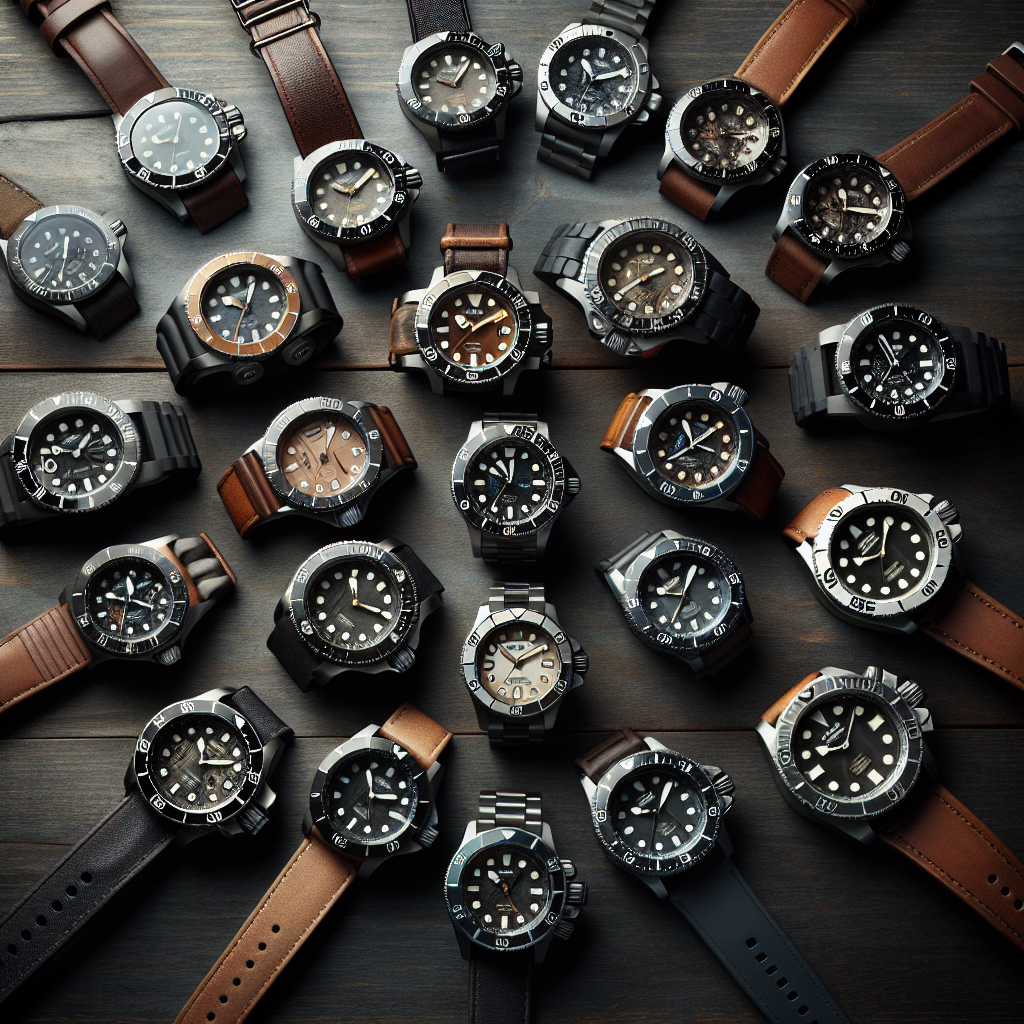
Diving watches have long been a badge of honor for watch enthusiasts and aquatic adventurers alike. They are designed to withstand the rigors of underwater exploration while providing essential functionality. Choosing the perfect diving watch can be a daunting task given the numerous options available. This guide aims to equip you with the knowledge necessary to make an informed decision.
Understanding Diving Watches
History and Evolution
The history of diving watches dates back to the 1920s, when the first water-resistant timepieces were developed. Rolex introduced the Submariner in 1953, a pioneering model that would become the standard for divers worldwide. Over the years, various brands have evolved their designs to meet the increasing demands of professional divers and watch enthusiasts.
What Makes a Watch a Diving Watch?
To qualify as a diving watch, a timepiece must meet specific criteria:
-
Water Resistance: A certified diving watch must be water-resistant to at least 330 feet (100 meters). However, many professional divers prefer watches rated to 660 feet (200 meters) or deeper.
-
Luminescence: Visibility is crucial underwater. A diving watch must have luminescent hands and markers that can be easily read in low-light conditions.
-
Unidirectional Rotating Bezel: This feature allows divers to track elapsed time safely. The bezel only rotates in one direction to prevent misreading the remaining air supply or time.
-
Durable Construction: Divers often encounter harsh conditions, so a robust case and scratch-resistant crystal are essential.
-
NATO or Rubber Straps: Many diving watches come equipped with straps that can withstand exposure to saltwater and provide a secure fit.
Features to Consider
1. Water Resistance Rating
While the minimum standard for a diving watch is 100 meters, consider your needs:
- Recreational Diving: A watch rated for 100m should suffice.
- Professional Diving: Look for a watch rated for at least 200m or higher.
2. Materials
Diving watches are made from various materials, each with its advantages and disadvantages:
- Stainless Steel: Durable and corrosion-resistant, it’s the most common choice.
- Titanium: Lighter than steel and resistant to scratches, titanium can be a comfortable option for long dives.
- Ceramic: Scratch-resistant and attractive but can be more fragile.
- Silicone and Rubber: Often used for straps; they’re comfortable and withstand marine environments well.
3. Movements
Diving watches can feature either quartz or automatic movements:
- Quartz: Generally more accurate and requires less maintenance. Ideal for those who prefer hassle-free timekeeping.
- Automatic: Favored by watch aficionados for their craftsmanship and traditional appeal but requires regular wearing or winding to maintain accuracy.
4. Visibility
A diving watch must be easy to read at a glance:
- Dial: Look for clear, contrasting dials with ample luminous markers.
- Hands: Broad hands with luminescent material are best for quick reading.
5. Size and Fit
A comfortable fit is important for diving. Most diving watches range from 38mm to 50mm in diameter. When choosing a watch, ensure that it sits well on your wrist without being too bulky or cumbersome.
6. Pricing
Diving watches range from budget-friendly options under $200 to high-end models exceeding $10,000. Determine your budget, but remember that investing in quality often pays off in terms of durability and functionality.
Top Brands to Consider
1. Rolex
The Rolex Submariner is iconic in the world of diving watches. Known for its precision, durability, and elegant design, it remains a top choice.
2. Omega
The Omega Seamaster series features an elegant design and remarkable technology, combining luxury with functionality. It’s also famously associated with James Bond films.
3. Seiko
Seiko offers an impressive range of diving watches at various price points. The Seiko Prospex line is particularly popular for its reliability and affordability.
4. Citizen
Citizen’s Eco-Drive technology harnesses light to power the watch, making it an environmentally friendly choice. The Citizen Promaster line is well-regarded among divers for its durability.
5. Tudor
Tudor, a subsidiary of Rolex, offers high-quality diving watches with some unique designs. The Tudor Pelagos is a favorite for its titanium case and impressive water resistance.
Maintenance Tips
A diving watch requires care to ensure longevity. Here are some maintenance tips:
-
Rinse After Use: Rinse your watch with fresh water after exposure to saltwater or chlorine to prevent corrosion.
-
Regular Servicing: Have your watch inspected and serviced by a professional every 3-5 years, especially if you dive regularly.
-
Check Seals: Ensure the seals are intact prior to diving. The water resistance can diminish over time.
-
Store Properly: Store your watch in a dry place, ideally in a padded watch box.
Conclusion
Choosing the perfect diving watch involves understanding your specific needs and preferences. From functionality and durability to aesthetics and brand reputation, numerous factors play into your decision. Whether you’re a casual snorkeler or a professional diver, this essential guide will help you navigate the world of diving watches effectively. Remember that a good diving watch not only enhances your diving experience but also serves as a lasting companion on your underwater adventures. Dive deep and invest wisely in a piece that will last for years to come.