In an era dominated by technological innovation and digital transformation, understanding user experience (UX) has become paramount for businesses striving to thrive in competitive environments. User experience not only influences consumer satisfaction but also directly impacts brand loyalty, sales performance, and market positioning. As we delve into the depths of this subject, we will explore the critical components of user experience, the challenges encountered by designers and developers, and forward-looking strategies that can enhance user interactions in today’s digital landscape.
Understanding User Experience
User experience encompasses every aspect of a user’s interaction with a product, service, or system, primarily focusing on usability, accessibility, and emotional satisfaction. It is not merely about how a user physically interacts with a product but includes their perceived value and the emotions they experience before, during, and after such interactions.
Components of User Experience
-
Usability: This refers to how effectively users can achieve their goals using a product. A system that is easy to navigate and understand significantly enhances the user’s experience.
-
Functionality: The core functions and features of a product must align with user needs. A car dashboard, for instance, should present crucial information such as speed and fuel efficiency clearly and intuitively.
-
Aesthetics: Visual appeal can significantly influence user satisfaction. Great design draws users in and makes them feel more comfortable interacting with a product.
-
Performance: The speed and reliability of a platform play a crucial role in user satisfaction. Delays or failures can lead to frustration and disengagement.
-
Accessibility: It’s vital to ensure that digital products are accessible to users with various disabilities. This includes considerations such as screen reader compatibility and keyboard navigation.
-
Emotional Response: Brands must take into account the emotions users experience throughout their interactions. Favorable emotional reactions can lead to brand loyalty and repeat usage.
The Digital Landscape
Today’s digital landscape is shaped by rapid technological advancements and evolving consumer expectations. With the proliferation of devices, platforms, and channels, users encounter a myriad of touchpoints with brands, making cohesive experience design a significant challenge.
Adaptive Technologies and Personalization
The rise of AI, machine learning, and big data analytics has transformed user experience strategies. Personalization is a key trend driving modern UX. Utilizing algorithms to tailor content, recommendations, and functionalities to individual user profiles greatly enhances user satisfaction.
For example, streaming services like Netflix and Spotify excel in utilizing user data to curate personalized experiences. By analyzing viewing history, preferences, and user interactions, these platforms suggest media that align with individual tastes, thereby keeping users engaged and satisfied.
The Challenges of User Experience
While the tools and methodologies available for enhancing user experience are increasingly sophisticated, several challenges persist.
1. Meeting Diverse User Needs
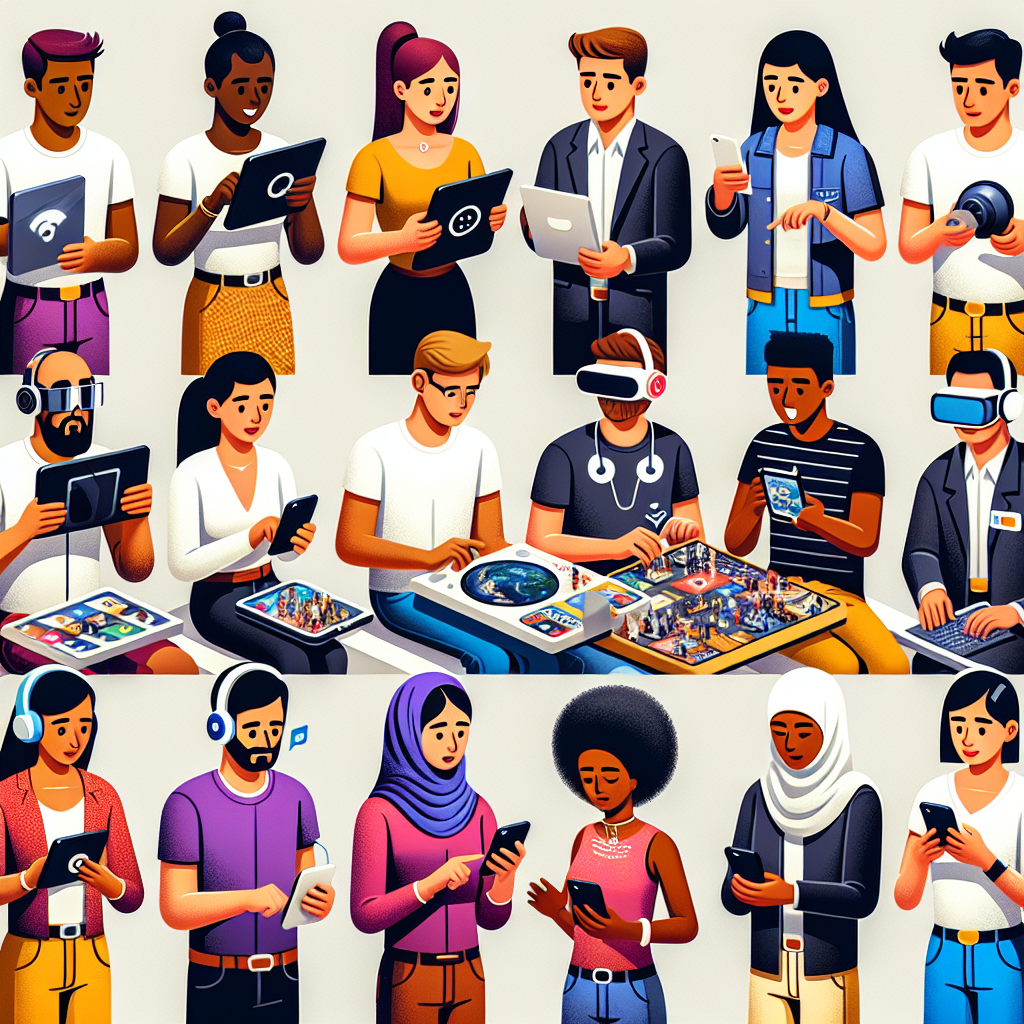
One of the most significant challenges is accommodating the diverse needs and preferences of users. With varying demographics—including age, technological proficiency, cultural background, and disability—designers must adopt an inclusive approach. This means creating adaptable interfaces that cater to a wide array of users.
2. Balancing Aesthetics and Functionality
Striking equilibrium between visually appealing design and practical functionality can be difficult. While a beautifully designed interface may attract users, it must not come at the cost of usability. Designers should conduct usability testing to ensure that aesthetic choices do not hinder the user journey.
3. Continuous Improvement
User experience is not a one-time project but an ongoing process. User feedback, analytics, and testing should continuously inform design improvements. This iterative approach helps companies remain agile and responsive to evolving user needs.
4. Navigating Emerging Technologies
As technologies evolve—such as augmented reality (AR), virtual reality (VR), and the Internet of Things (IoT)—designers must explore how these innovations can enhance user experience without overwhelming users with complexity.
Strategies for Enhancing User Experience
To harness the full potential of user experience in the digital landscape, companies must adopt a multifaceted approach that involves collaboration, iteration, and innovation.
1. User-Centric Design
Adopting a user-centric design philosophy ensures that the user is at the center of every decision in the design process. Involving users in the design stage through focus groups, interviews, and usability testing can provide invaluable insights. This approach helps in creating products that resonate with the target audience, ensuring higher rates of acceptance and satisfaction.
2. Embracing Agile Methodologies
Agile development methodologies promote flexibility and responsiveness to change. Agile practices allow design and development teams to iterate quickly based on user feedback. This not only improves the user experience but also enables quicker deployment of updates and new features.
3. Implementing Analytics and Feedback Loops
Utilizing analytics tools can provide data-driven insights into user behavior and preferences. By translating this data into actionable steps, companies can make informed decisions regarding design changes. Additionally, establishing feedback loops with users ensures that their voices are heard, fostering a community of engaged users.
4. Fostering a Cross-Functional Culture
User experience is a cross-disciplinary concern. Designers, developers, marketers, and stakeholders must collaborate to create meaningful experiences. By breaking down silos and fostering a collaborative environment, teams are better equipped to address user needs and create cohesive experiences.
Future Trends in User Experience
As we move forward, it’s essential to stay abreast of emerging trends that will shape the user experience landscape:
1. Voice User Interfaces (VUIs)
With the increasing prevalence of smart speakers and voice-activated technology, VUIs are becoming a major component of user experience. Designing interfaces that effectively respond to voice commands and queries will be vital for companies looking to maintain engagement in a voice-first world.
2. Hyper-Personalization
Going beyond traditional personalization, hyper-personalization involves using AI to create tailored experiences that adapt in real-time based on user interactions. Companies can leverage vast amounts of data to provide relevant content, recommendations, and interfaces to individual users.
3. Simplified Experiences
As technology becomes more complex, users desire simplicity. The trend toward minimalist design focuses on providing essential functionalities without overwhelming users. Streamlined interfaces make it easier for users to achieve their goals, leading to higher satisfaction.
Conclusion
Diving deep into user experience in today’s digital landscape reveals that it is an intricate, multifaceted discipline. By understanding its components, addressing associated challenges, and embracing strategies for enhancement, businesses can significantly improve user satisfaction and loyalty. As technology continues to evolve, staying attuned to user needs and employing innovative solutions will be crucial for creating compelling, engaging, and meaningful digital experiences. In an age where user expectations are higher than ever, the pathway to success lies in crafting exceptional user experiences that not only meet but exceed those expectations.