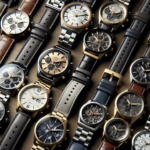

Whether you’re a watch enthusiast, a fashion aficionado with a penchant for handbags, or a tech-savvy individual with the latest wearable gadgets, the strap is often an essential component that ties everything together. Straps come in numerous materials—leather, fabric, rubber, and metal—and each requires specific care to ensure longevity and maintain aesthetic appeal. This article will delve into the best practices for caring for these different types of straps, allowing you to enjoy them for years to come.
Understanding Your Strap Materials
Before diving into care tips, it’s crucial to understand the various materials commonly used for straps, as each requires tailored maintenance.
1. Leather Straps
Leather is a popular choice due to its durability and elegance. However, it can be susceptible to wear and tear if not properly cared for.
Care Tips for Leather Straps:
- Cleaning: Use a soft, damp cloth to wipe away dirt and sweat. Avoid soaking the leather; instead, use minimal moisture.
- Conditioning: Apply a leather conditioner every 3-6 months to keep it supple. This helps prevent cracks and drying.
- Storage: Store leather straps in a cool, dry place, away from direct sunlight, to prevent fading and cracking.
- Water Damage: Avoid exposing leather to water; if it does get wet, gently blot it dry and allow it to air-dry in a breathable area.
2. Fabric Straps
Fabric straps are commonly found on watches and bags. They offer comfort but can absorb dirt and moisture over time.
Care Tips for Fabric Straps:
- Regular Cleaning: Hand wash fabric straps in cold water with mild soap. Avoid bleach or harsh detergents, which can damage the fibers.
- Drying: Air dry fabric straps by laying them flat. Avoid direct sunlight as it can cause fading.
- Stain Removal: Treat stains promptly with a fabric-safe cleaner or spot treatment. Test on a small area first to ensure colorfastness.
3. Rubber and Silicone Straps
Rubber and silicone straps are waterproof and often used for sports watches. They are generally low-maintenance but still require care.
Care Tips for Rubber and Silicone Straps:
- Cleaning: Wipe with a damp cloth after use to remove dirt, sweat, or salt, especially after exposure to seawater.
- Avoid High Heat: High temperatures can cause rubber to degrade. Keep straps away from hot environments or direct sunlight.
- Odor Control: If your rubber or silicone strap begins to smell, wash it with mild soap and water and allow it to dry completely.
4. Metal Straps
Metal straps, such as those made from stainless steel or titanium, are known for their durability and classic look. However, they can be susceptible to scratches and tarnishing.
Care Tips for Metal Straps:
- Polishing: Regularly polish metal straps with a soft cloth to maintain their shine and remove smudges.
- Water Exposure: While many metal straps are water-resistant, prolonged exposure to water can lead to corrosion; rinse after exposure to saltwater.
- Avoiding Scratches: Be mindful of your surroundings; avoid brushing against hard surfaces when wearing metal-strapped items.
General Maintenance Tips
Regardless of the type of strap, there are several general maintenance practices that apply across the board.
1. Regular Inspections
Frequent inspections can help catch small issues before they become significant problems. Check for fraying in fabric straps, cracks in leather, or rust on metal components.
2. Rotate Your Straps
If your watch or accessory allows for interchangeable straps, consider rotating them. This can alleviate wear on a single strap and extend its life significantly.
3. Avoid Overstretching
For elastic or fabric straps, avoid overstretching. This can degrade the elasticity and overall integrity over time.
4. Be Mindful of Environment
Environmental factors such as humidity, heat, and exposure to chemicals can significantly affect strap durability. Be aware of where you wear and store your items.
Conclusion
Taking care of your straps—whether they’re made from leather, fabric, rubber, or metal—plays a pivotal role in their longevity and your overall satisfaction. By adhering to these essential care tips, you ensure that your straps remain not only functional but also visually appealing. Regular maintenance, combined with a little awareness of your strap’s material and environment, can save you time and money in the long run, allowing you to enjoy your favorite accessories for years to come. With the right care, your straps will continue to enhance your style and serve their purpose effectively, making them worthwhile investments in your wardrobe.