Watches are more than just timekeeping devices; they are symbols of style and craftsmanship. Whether you own a classic mechanical timepiece, a modern smartwatch, or a luxury Swiss model, proper care and maintenance can significantly extend the lifespan of your watch. In this article, we’ll explore essential tips to ensure your watch keeps ticking for years to come.
Understanding Your Watch
Before diving into maintenance tips, it’s crucial to understand the type of watch you own. Watches can be broadly categorized into three main types: mechanical, quartz, and smartwatches.
- Mechanical Watches: These watches are powered by intricate gears and springs, requiring regular winding and maintenance.
- Quartz Watches: Powered by a battery, these are generally more accurate and require less upkeep.
- Smartwatches: These electronic devices combine technology with traditional watch functions, needing both battery changes and software updates.
Understanding your watch’s mechanics can help you tailor your care and maintenance approach.
1. Regular Cleaning
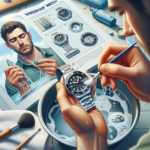
Dirt and grime can accumulate on your watch over time, affecting its appearance and functionality. Here’s how to clean different types of watches:
Mechanical and Quartz Watches
- Frequency: Clean every few months, or more often if you wear it during workouts or outdoor activities.
- Materials Needed: Soft, lint-free cloth, mild soap, and water.
- Steps:
- Dip the cloth in soapy water.
- Wipe the case and bracelet gently.
- Rinse the cloth and wipe away any soap residue.
- For stubborn spots, use a soft-bristle toothbrush.
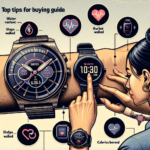
Smartwatches
- Frequency: Clean weekly, especially if worn during physical activities.
- Materials Needed: Microfiber cloth and isopropyl alcohol or screen cleaner.
- Steps:
- Unplug the watch and turn it off.
- Use the cloth dampened with cleanser to wipe the screen and band.
- Avoid exposing openings to moisture.
2. Proper Storage
Where you store your watch can significantly impact its longevity.
- Watch Box: Invest in a quality watch box that protects your timepiece from dust, moisture, and scratches.
- Avoid Direct Sunlight: Prolonged exposure can fade colors and degrade materials.
- Temperature Control: Store your watch in a temperature-controlled environment to avoid moisture buildup and corrosion.
3. Servicing
Regular servicing is crucial, especially for mechanical and high-end watches.
- Frequency: Every 3-5 years for mechanical watches, and as specified by the manufacturer for quartz and smartwatches.
- Professional Evaluation: A certified watchmaker can evaluate the need for cleaning, lubrication, and part replacements.
4. Battery Maintenance for Quartz Watches
Changing the battery at the right time can prevent leaks that may damage your watch.
- Signs of Battery Drain: If your watch begins to run slow or stops completely, it may be time to replace the battery.
- Professional vs. DIY: While many users can change batteries in quartz watches themselves, take your watch to a professional if it’s a vintage model or a luxury brand.
5. Understanding Water Resistance
Water resistance levels vary significantly across watches.
- Check the Rating: Familiarize yourself with your watch’s water resistance rating (e.g., 30m, 100m).
- Activities to Avoid: Even water-resistant watches can be damaged by hot water, so avoid wearing your watch in a sauna or while bathing.
- Regular Testing: If you use your watch in water frequently, consider having its water resistance tested annually.
6. Mind the Elements
Certain environmental factors can affect your watch’s performance.
- Magnetism: Keep your watch away from strong magnetic fields, which can disrupt mechanical movements.
- Chemicals: Avoid contact with perfumes, solvents, and cleaning agents. These can damage the watch finish and seals.
7. Avoiding Physical Damage
Watches are designed to be durable, but they’re still prone to damage.
- Be Mindful of Your Activities: Avoid wearing your watch during rough sports or tasks where it might get knocked around.
- Use a Soft Travel Case: When traveling, keep your watch in a padded case to prevent scratches and impacts.
8. Strap Care
Watch straps can wear out over time, affecting both comfort and looks.
- Leather Straps: Clean with a damp cloth and let them dry naturally; apply leather conditioner sparingly.
- Metal Bracelets: Use a soft brush to remove dirt, and check for loose links to avoid losing your watch.
- Synthetic Straps: Most synthetic materials can be cleaned with mild soap and water.
9. Keeping Time
Mechanical watches often require regular winding and adjustment.
- Regular Winding: If your mechanical watch is not worn often, wind it every few days to keep the lubricants evenly distributed.
- Correcting Time and Date: Always adjust the time outside of the “danger zone” (around 9 PM to 3 AM) to avoid damaging the movement.
10. Digital Maintenance for Smartwatches
For smartwatches, software updates can resolve issues and add new features.
- Update Regularly: Set your smartwatch to update automatically or check weekly to ensure you’re running the latest software.
- Battery Management: Monitor your battery life and charge periodically rather than letting it drain completely.
Conclusion
A well-cared-for watch not only tells time but also serves as an enduring expression of style and sophistication. By following these essential tips, you can ensure that your watch will stand the test of time, becoming a cherished accessory that you can pass down through generations.
With regular cleaning, proper storage, professional servicing, and mindful handling, your watch can remain a reliable companion, keeping tick-tocking for a lifetime. Always remember, the beauty of a watch lies not just in its appearance but in the care you invest in maintaining its elegance and functionality.