Watches are not just tools for keeping time; they are intricate pieces of art that reflect our style and personality. Whether you own a high-end luxury watch, a reliable everyday timepiece, or a vintage heirloom, proper maintenance is essential to ensure longevity and performance. In this comprehensive guide, we’ll explore the key aspects of watch maintenance, from cleaning methods to storage tips, ensuring your timepiece remains in pristine condition.
Understanding Your Watch
Components of a Watch
To begin with, it’s vital to understand the basic components of a watch. Most watches consist of the following parts:
- Movement: The heart of the watch, responsible for timekeeping. It can be mechanical (manual or automatic) or quartz.
- Case: The outer shell that protects the internal components.
- Crystal: The transparent cover that protects the dial. It can be made of sapphire, mineral glass, or acrylic.
- Dial: The face of the watch that displays the time and other information.
- Strap/Band: The part that secures the watch to your wrist, made from materials like leather, metal, or fabric.
Understanding these components helps in identifying which parts need specific care and maintenance.
Routine Maintenance
1. Cleaning Your Watch
A. Regular Dusting
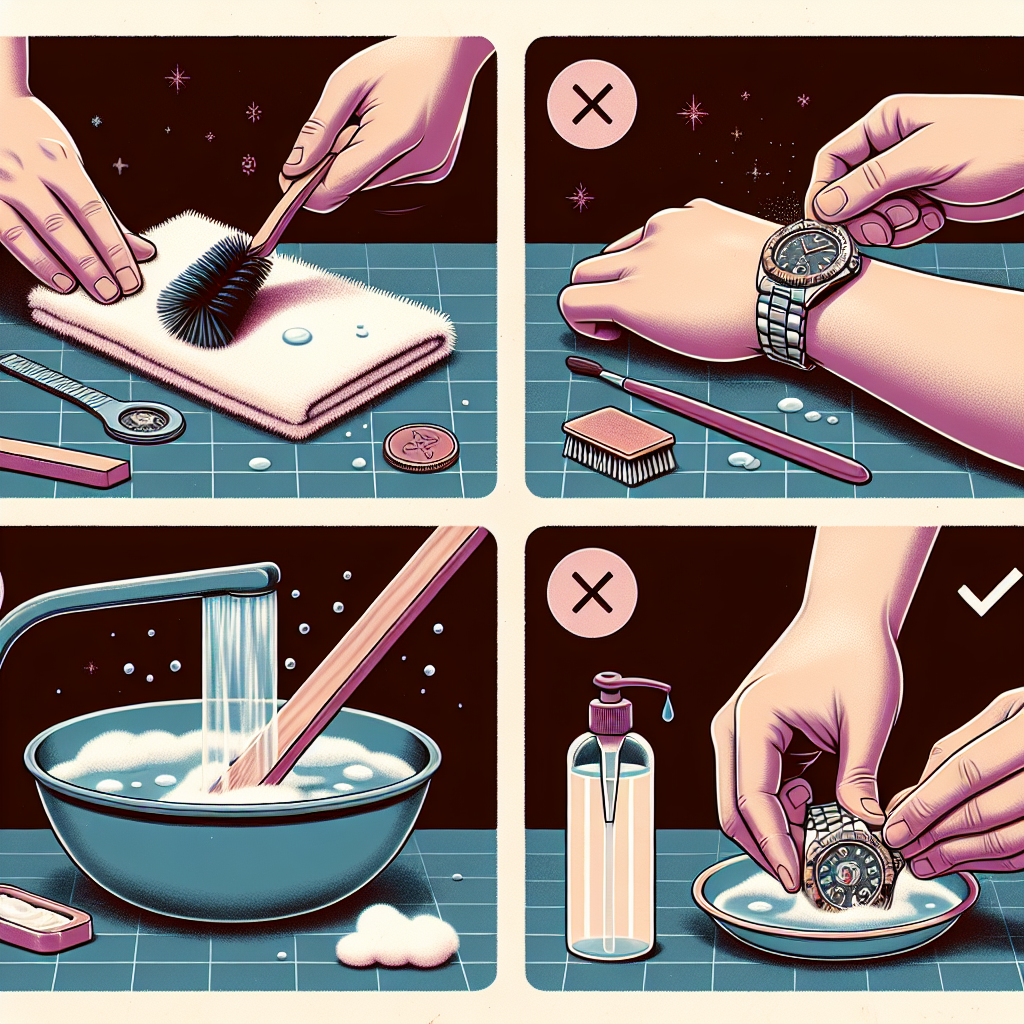
Dust and debris can accumulate on your watch, impairing its appearance and functionality. Use a soft microfiber cloth to wipe the casing and strap regularly. For watches with intricate designs, a soft brush can help dislodge grime from hard-to-reach areas.
B. Deep Cleaning
Every few months, give your watch a more thorough cleaning:
- Water-Resistant Watches: For watches rated as water-resistant, use warm soapy water and a soft brush. Rinse under warm water and dry thoroughly.
- Leather Straps: Clean leather straps with a damp cloth and specialized leather cleaner, avoiding soaking the leather.
- Metal Bands: A diluted solution of mild soap and water works well for metal bands. Use a soft brush to clean the links.
2. Regular Inspections
Inspect your watch regularly for signs of wear or damage:
- Crystal: Look for scratches or cracks.
- Case: Check for dents, scratches, and corrosion.
- Strap: Examine for fraying or tearing.
- Water Resistance: Test water resistance annually, especially for diver’s watches.
3. Lubrication
Mechanical watches often require lubrication to minimize friction between moving parts. If you own a high-end watch, consider a professional service every 3-5 years. Quartz watches generally need less frequent maintenance.
Professional Servicing
Why You Should Seek Professional Help
While regular maintenance can extend your watch’s lifespan, it’s essential to seek professional servicing to ensure everything functions correctly. Professional watchmakers have the tools and expertise to:
- Open the watch case securely
- Clean and lubricate the movement
- Replace worn parts
- Test the water resistance
When choosing a professional, look for reputable watchmakers or authorized service centers that specialize in your watch brand.
Frequency of Professional Servicing
For mechanical watches, a general rule of thumb is to service them every 3-5 years. Quartz watches usually require less frequent servicing, but it’s wise to get them checked if the battery is replaced.
Protecting Your Watch
1. Avoiding Extreme Conditions
Protect your watch from extreme temperatures, magnetic fields, and physical shocks. High-end automatic watches, in particular, can be sensitive to significant shocks and magnetic fields, which can impact their accuracy.
2. Storing Your Watch
Proper storage is crucial for preserving your watch when it’s not being worn:
- Watch Boxes: Store watches in a cushioned box to prevent scratches and dust accumulation.
- Winders: If you have automatic watches, consider using a watch winder to keep the movement lubricated and accurate.
- Temperature Control: Keep your watch away from extreme temperatures and humidity, as this can damage both the movement and the strap.
3. Water Resistance
Understanding your watch’s water resistance rating is necessary for proper use. Ensure the crown is securely closed before exposure to water, and avoid pressing buttons while submerged. For diving watches, follow the manufacturer’s guidelines on water resistance depth and usage.
Conclusion: Your Watch, Your Responsibility
Caring for your watch requires attention to detail and respect for the craftsmanship involved in its creation. By following these maintenance tips, you can ensure that your timepiece remains not only functional but also a cherished accessory for years to come.
Regular cleaning, inspections, and professional servicing are integral to watch care. Equally crucial is the way you store and protect your timepiece from potential damages such as scratches, shocks, and exposure to extreme elements.
In essence, a well-maintained watch will never just be a tool for telling time; it will be a part of your life, reflecting your journey and style. So, as the saying goes, “Tick Tock, Keep It Clean,” because the better you care for your watch, the longer it will serve you with accuracy and elegance.