Introduction
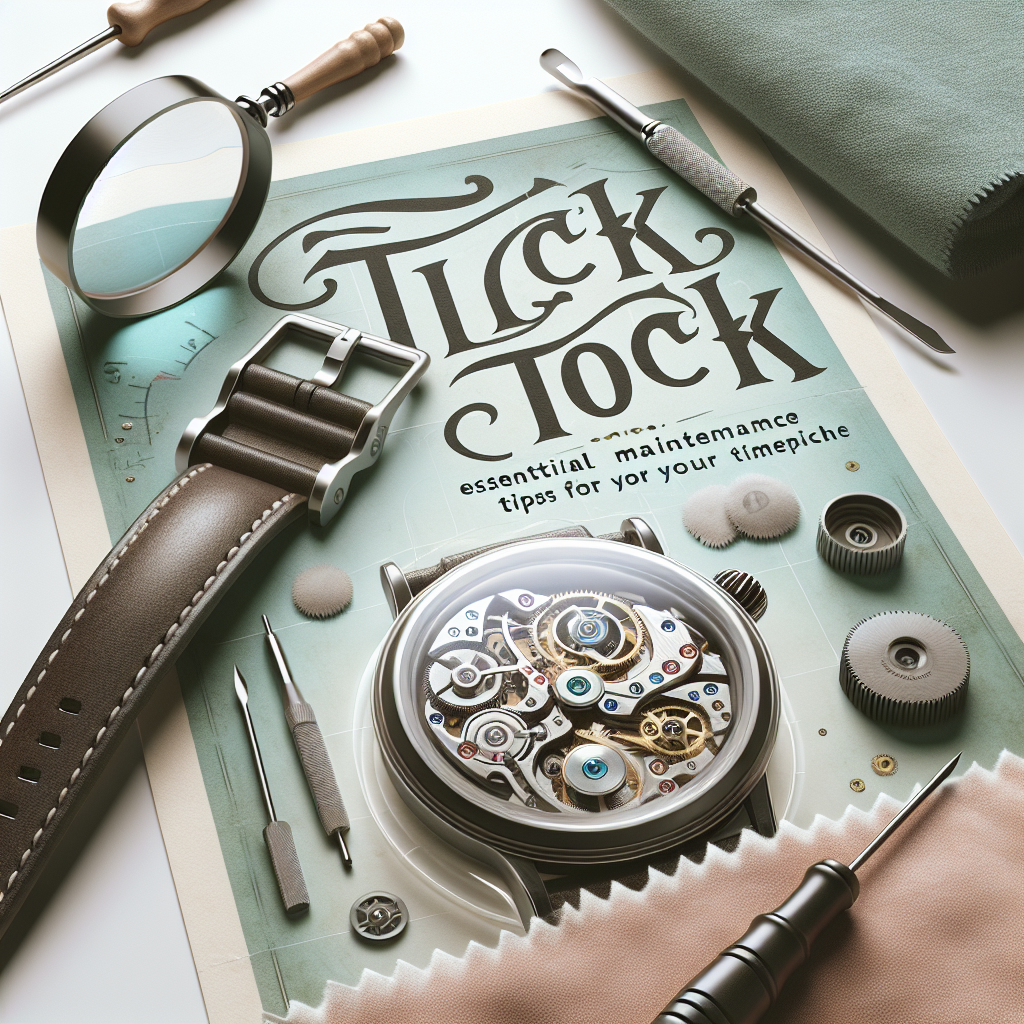
Watches are not just tools for keeping time; they are elegant accessories that often carry significant emotional and financial value. Proper watch maintenance ensures that your timepiece not only functions optimally but also retains its aesthetic appeal. In this comprehensive guide, we’ll discuss essential watch maintenance practices that every watch owner should know.
Understanding Your Watch
Types of Watches
Before diving into maintenance, it’s essential to understand the different types of watches. Generally, watches can be categorized into:
- Mechanical Watches: These use a complex series of gears and springs.
- Quartz Watches: Powered by a battery, these are often more accurate and require less maintenance.
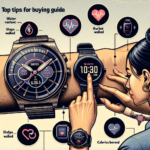
- Smartwatches: These incorporate digital mechanisms and may require specific software updates.
Understanding the type of watch you own directly influences the maintenance it requires.
Watch Components
A typical watch comprises several parts that require careful attention:
- Case: Protects the internal mechanisms.
- Crystal: The protective glass face of the watch.
- Dial and Hands: Indicates time; must be kept clean for clear visibility.
- Bracelet or Strap: Affects both comfort and style.
Essential Watch Maintenance Tips
Regular Cleaning
Removing Dirt and Grime
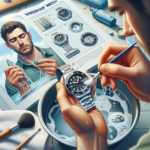
A simple cleaning routine can vastly improve your watch’s longevity. Here are steps to follow:
- For Water-Resistant Watches: Rinse under lukewarm water, avoiding high-pressure water jet sprays.
- Non-Water-Resistant Watches: Wipe with a soft microfiber cloth to remove any dust or fingerprints. Avoid using water.
- Bracelet or Strap Cleaning: Detach your strap and wash it separately. Leather straps can be cleaned with a special leather cleaner, while metal bracelets can be washed with soapy water.
Battery Replacement
For quartz watches, changing the battery is vital for functionality. Most batteries should be replaced every two to three years.
- Signs of Low Battery: If your watch starts to lose time or the second hand jumps every few seconds, it’s time to replace the battery.
- Professional Service: While some may attempt to change the battery, it’s wise to consult a professional watchmaker to avoid damaging your watch.
Regular Servicing
Mechanical watches often require more maintenance than their quartz counterparts. Here’s what to consider:
- Frequency: It’s advisable to service your watch every three to five years.
- Professional Help: Engage a certified watchmaker who specializes in your watch’s brand for an efficient service.
Avoiding Extreme Conditions
Temperature and Humidity
Extreme temperatures can damage your watch’s internal mechanisms. We recommend keeping your watch in a controlled environment, away from humidity and heat sources like radiators or direct sunlight.
Chemical Exposure
Avoid exposing your watch to harsh chemicals that can damage the case and strap materials. Common culprits include:
- Perfumes
- Detergents
- Outdoor cleaning supplies
Handling and Storage
Wear with Care
When wearing your watch, avoid activities that can lead to sudden shocks or impacts. This is especially important for mechanical watches, which rely on delicate components.
Storing Your Watch
When you’re not wearing your watch, follow these storage tips:
- Use a Watch Box: Keeping your watch in a dedicated box protects it from dust and scratches.
- Watch Winders: For automatic watches, consider using a watch winder to keep the mechanism running when not in use.
Troubleshooting Common Issues
Moisture Under the Crystal
If you see condensation under the crystal, immediate action is necessary. Moisture can lead to significant damage.
- Drying Out: Place the watch in a warm, dry area (but not in direct sunlight).
- Professional Assistance: If moisture persists, consult a watch repair specialist.
Scratches on the Crystal
Scratches can affect the watch’s appearance and readability.
- Plastic Crystals: May be buffed out with a polishing compound.
- Sapphire Crystals: Typically resistant to scratches, but if they do occur, replacement is the best option.
Conclusion
Maintaining a watch is paramount for preserving its function and aesthetics. From regular cleaning and servicing to avoiding harsh chemicals and extreme conditions, the steps outlined in this guide will help keep your timepiece in excellent condition.
With proper care, your watch will not only continue to run accurately but also serve as a timeless accessory through the years. Remember, investing a little effort in maintenance can lead to substantial long-term benefits. Enjoy the journey of watch ownership, and may your timepieces always keep perfect time!
Call to Action
Ready to give your watch the care it deserves? Start with our cleaning tips today, or consult a professional for a thorough service. Your watch is waiting!