The intersection of technology and luxury has historically been occupied by traditional watchmakers, revered for their craftsmanship, precision, and artistry. However, with the advent of smartwatches, an entirely new paradigm is emerging—one that is redefining the definition of luxury in the timekeeping industry. This transition does not merely disrupt conventional markets; it also challenges the very essence of what makes a watch “luxurious.” In this article, we will explore how smartwatches are transforming the luxury market, the implications for traditional watchmakers, and what the future might hold as these two worlds converge.
The Rise of Smartwatches
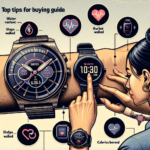
Smartwatches have evolved significantly since their inception, moving from clunky, limited-function devices to sleek, multifunctional gadgets. Companies like Apple, Samsung, and Garmin have integrated advanced technology, health monitoring features, and seamless connectivity, appealing to a younger, more tech-savvy demographic. Wearables now offer functionalities such as heart rate monitoring, GPS navigation, and even electrocardiogram (ECG) readings—all packed into a format that fits comfortably on the wrist.
As consumer preferences shift towards convenience and instant connectivity, smartwatches have carved out a substantial slice of the traditional watch market. According to various market research reports, sales of smartwatches are expected to outperform those of luxury mechanical watches in the coming years. This trend raises interesting questions about the future of luxury goods and consumer values.
Luxury Redefined
At its core, luxury has always been synonymous with exclusivity, craftsmanship, and an emotional connection to a product. However, as technology integrates more into daily life, perceptions of luxury are changing. Smartwatches are making it possible for consumers to marry functionality with personal expression, effectively redefining what luxury means in the contemporary context.
New Aesthetics
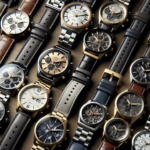
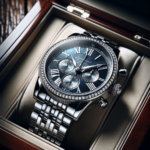
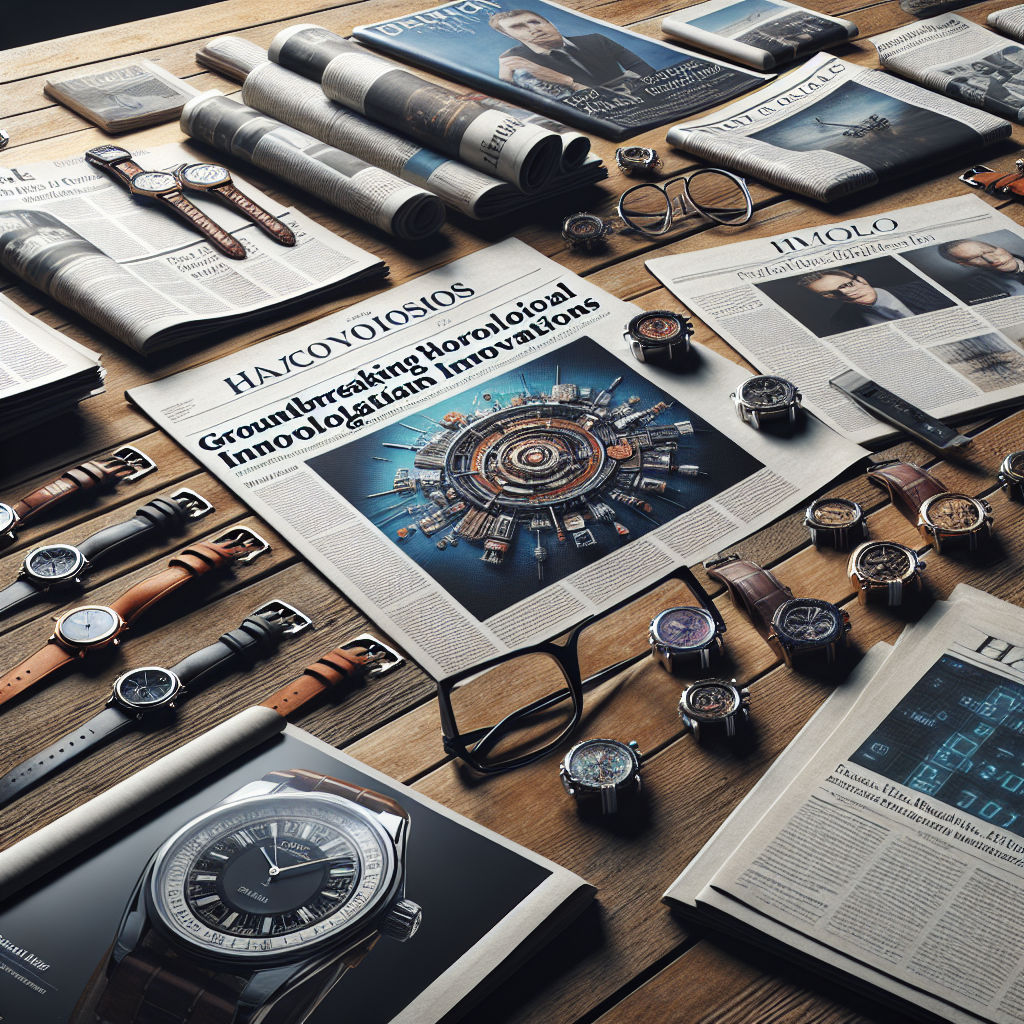
Swiss watchmakers and luxury brands are renowned for their exquisite designs, often relying on the prestige of materials like gold, platinum, and diamonds. Smartwatches initially struggled in this area—many early models looked more like mini-computers than fashionable accessories. However, brands have caught on; many now produce models that boast premium materials and refined aesthetics. For example, the Apple Watch Edition utilizes precious metals and high-quality straps, while luxury brands like TAG Heuer and Montblanc have created their own smartwatches designed to appeal to affluent consumers.
The result is a category of wearable technology that merges aesthetics and innovation. Consumers are drawn to the idea of a smartwatch that not only tracks their workouts but looks chic in a boardroom meeting or at a formal event.
Personalization and Customization
Another hallmark of luxury goods is personalization. Traditional luxury watches often feature unique, customizable elements that appeal to individual tastes. Smartwatches have taken this concept a step further through software. Users can change watch faces, swap out bands, and customize notifications.
Shelling out thousands for a mechanical watch is no longer the only avenue towards personal expression—smartwatches enable users to continually change the look and feel of their device. The ability to evolve the product in real-time appeals to younger consumers who value self-expression and individuality.
Wellness and Lifestyle
The modern consumer increasingly prioritizes health and lifestyle—an ethos well-aligned with the capabilities of smartwatches. Features like stress monitoring, sleep tracking, fitness apps, and even mindfulness exercises resonate deeply with today’s affluent buyers. In this sense, smartwatches are not just timepieces—they are lifestyle companions that align with the wellness trends driving luxury markets.
Luxury brands are beginning to respond by incorporating health and wellness features into their offerings. For example, the recent collaborations between tech giants and luxury brands mark a pivotal shift: smartwatches that facilitate a lifestyle of health and wellness are tapping into the luxury market in unexpected ways.
Traditional Watchmakers Respond
The impact of smartwatches has not gone unnoticed among traditional luxury watchmakers. Many have felt the pressure to innovate and adapt to this changing landscape. While some brands have dismissed smartwatches as a passing trend, others have chosen to embrace it.
Collaborating with Tech Companies
Some traditional watch brands have started to collaborate with tech companies to create hybrid models that combine mechanical features with smart technology. For example, the TAG Heuer Connected smartwatch merges classic Swiss watchmaking with digital functionality. This collaboration allows these brands to stay relevant while leveraging their history of craftsmanship.
Emphasizing Craftsmanship
Interestingly, the rise of smartwatches has also led some luxury watchmakers to double down on their commitment to traditional craftsmanship. As smartwatches capture mass appeal, unique craftsmanship has become even more exclusive. Brands like Patek Philippe and Audemars Piguet emphasize their heritage and craftsmanship in marketing efforts, targeting consumers looking for authenticity.
As a result, the luxury watch market has become a dichotomy. On one side, brands are competing in terms of technological innovation; on the other, they emphasize exclusivity and craftsmanship.
Market Implications
The fusion of technology and tradition in the watch industry has profound implications for various segments of the market.
Accessibility vs. Exclusivity
Smartwatches are generally more accessible than traditional luxury watches. Brands like Apple and Fitbit cater to a broad demographic, offering models at different price points. This accessibility could create a new class of consumers who appreciate the functionalities of a smartwatch but may not own a traditional luxury watch. Consequently, traditional luxury brands must navigate this new landscape carefully.
Sustainability and Future Orientation
As consumers become increasingly aware of sustainability and ethical practices, both smartwatches and luxury brands must address these concerns. Sustainable materials, ethical sourcing, and responsible manufacturing processes are becoming a necessity rather than a bonus. Forward-thinking luxury brands are taking the initiative to incorporate sustainable practices into their manufacturing processes.
Conclusion
The luxury watch market stands at a pivotal junction with the rise of smartwatches. As technological advancements redefine functions, aesthetics, and personalization, consumers are reevaluating what constitutes luxury. While traditional watchmakers face challenges, they also have opportunities to innovate or reinforce traditions.
In this fluid landscape, consumers can look forward to a unique blend of craftsmanship and technology. As the lines continue to blur, both sectors have much to gain from one another, creating a new narrative about timekeeping that is as exciting as it is complex. Ultimately, the question is not whether smartwatches will coexist with traditional luxury watches, but how these two worlds will transform each other in the years to come.