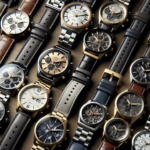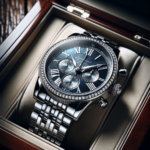
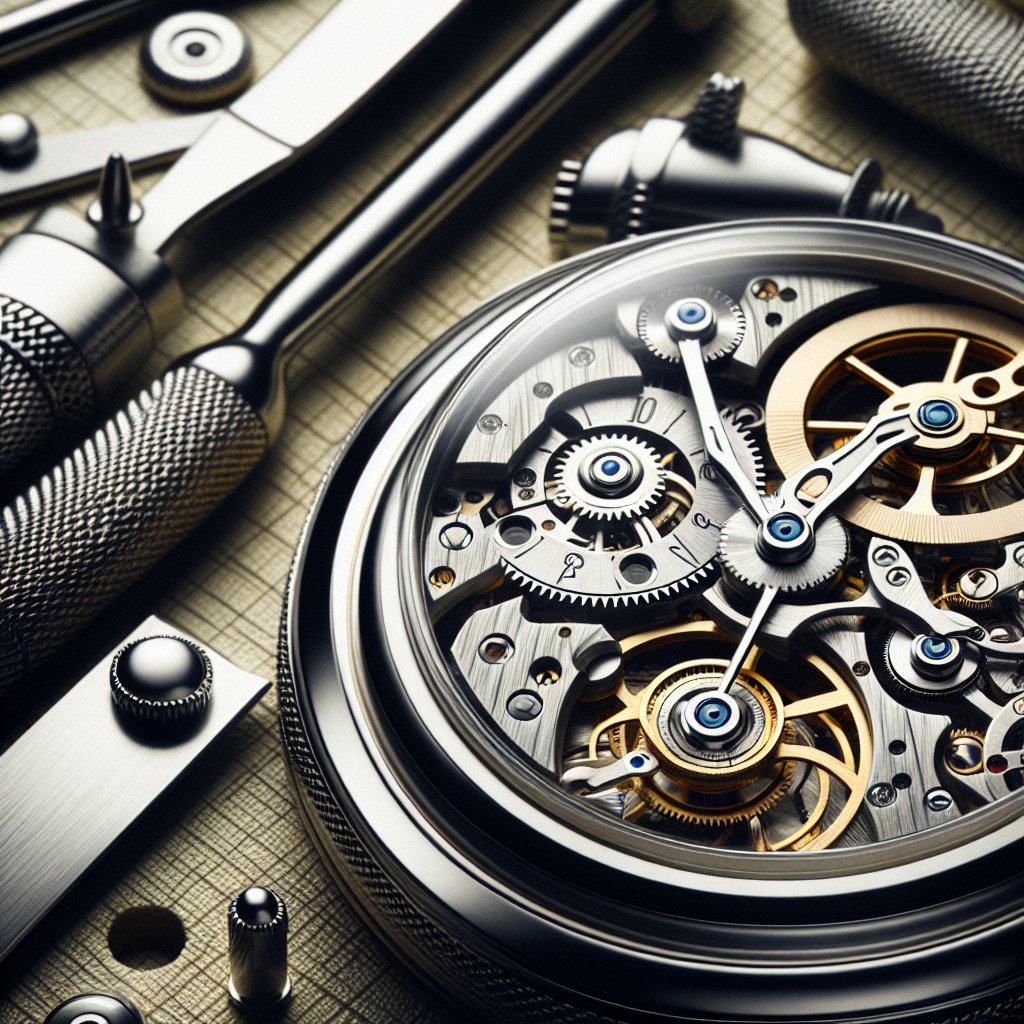
Watches have transcended their primary function of telling time to become powerful symbols of craftsmanship, technology, and style. The legacy of iconic watch brands intertwines history, innovation, and artistry, reflecting cultural movements and the social status of their wearers. This article explores the heritage of renowned watchmakers that have shaped the horological landscape, showcasing their defining features and enduring appeal.
The Origins of Watchmaking
The art of watchmaking dates back to the 16th century, emerging as a trade in Europe following advancements in clockmaking. The first portable timepieces were known as ‘Nuremberg eggs,’ crafted in Germany. However, it wasn’t until the Swiss began refining their techniques in the 17th century that watchmaking became a prestigious craft. Today, Switzerland is synonymous with high-quality watchmaking, housing some of the most respected brands in the industry.
Iconic Brands and Their Legacies
1. Rolex
Founded in 1905, Rolex is perhaps the most recognizable luxury watch brand worldwide. Renowned for its precision, durability, and status symbol, Rolex timepieces are often favored by professionals in various fields, including diving and aviation. The Submariner, first introduced in 1953, revolutionized diving watches with features such as water resistance up to 300 meters. Rolex’s commitment to innovation and excellence, exemplified by the creation of the first-ever waterproof watch, the Oyster, solidifies its reputation as a trailblazer in the watch industry.
2. Patek Philippe
Established in 1839, Patek Philippe is celebrated for its artistry and complications in watchmaking. Known for creating some of the most complicated watches, the brand has invented numerous mechanisms that remain benchmarks in horology. The Calatrava, introduced in 1932, signifies the essence of understated elegance, displaying a simple yet refined design that embodies the philosophy, “You never actually own a Patek Philippe. You merely look after it for the next generation.”
3. Audemars Piguet
Pioneering the luxury sports watch segment, Audemars Piguet debuted the Royal Oak in 1972. The design broke traditional norms with its octagonal bezel and integrated bracelet, setting a new standard for luxury watches. Audemars Piguet combines traditional craftsmanship with modern innovations, maintaining an exclusive reputation while continuing to appeal to a younger audience.
4. Omega
Known for its precision timing, Omega made history by being the first watch on the moon during the Apollo 11 mission in 1969. The Speedmaster is a hallmark model that appeals to both watch enthusiasts and casual wearers alike. Omega’s contributions to the world of horology also include advancements in anti-magnetic technology and the Co-Axial escapement, which enhances accuracy and reduces friction.
5. Tag Heuer
Established in 1860, Tag Heuer is synonymous with motorsport and chronographs. The Monaco and Carrera models are iconic in the world of racing, designed with functionality and bold aesthetics in mind. Tag Heuer’s innovations in quartz technology also shaped the industry, making precision timekeeping more accessible.
The Evolution of Watchmaking
The late 20th century and early 21st century saw significant shifts in the watch industry. The Quartz Crisis of the 1970s led to a surge in quartz watch production, which threatened traditional mechanical watchmakers. However, many iconic brands pivoted, incorporating quartz technology while remaining committed to the artistry of mechanical movements.
Modern Innovations
In the 21st century, luxury watch brands are focusing not just on traditional craftsmanship but also on modern technology. The introduction of smartwatches has revolutionized the way consumers interact with watches, leading luxury brands to explore hybrid models that seamlessly merge traditional watchmaking with cutting-edge technology. Brands like TAG Heuer and Garmin have introduced models that retain the aesthetic appeal of traditional timepieces while offering modern functionalities.
Timeless Appeal
Despite changing trends, classic timepieces from iconic brands maintain their allure. Collecting vintage watches has become a popular hobby, with certain models fetching astronomical prices at auction. The craftsmanship, history, and stories behind these pieces are a driving force for collectors and enthusiasts alike, making them treasures that transcend time.
Cultural Significance
Watches often reflect cultural shifts and personal milestones. For many, a watch is not just an accessory; it’s a symbol of achievement or a gift marking a significant event. Iconic brands have harnessed this symbolism, building emotional connections with their consumers. For example, gifting a luxury watch, such as a Rolex or Patek Philippe, often signifies respect and lifelong commitment.
Conclusion
The legacy of iconic watch brands remains a testament to human creativity and engineering prowess. While technology continues to evolve, the timeless elegance and craftsmanship of these brands ensure they will always hold a special place in both history and contemporary life. As we continue to explore the art and science of timekeeping, the stories woven into the fabric of these legendary brands will endure, reminding us of the intricacies of time itself.
FAQs
Q1: What are some of the most collectible luxury watches?
A1: Some of the most collectible luxury watches include the Patek Philippe Nautilus, Rolex Daytona, Audemars Piguet Royal Oak, and Omega Speedmaster. Each of these models has a rich history and significant demand among collectors.
Q2: How can I differentiate between genuine and counterfeit luxury watches?
A2: Authentic luxury watches will often have distinctive features, such as high-grade materials, intricate engravings, and quality finishing. Many brands have security features, such as holograms or certificates of authenticity, so it’s essential to buy from reputable dealers.
Q3: Are luxury watches a good investment?
A3: While not all luxury watches appreciate over time, certain models from renowned brands can serve as good investments, often increasing in value due to their rarity, demand, and historical significance. Researching market trends and collector interest is crucial.
Q4: What makes Swiss watches superior?
A4: Swiss watches are often regarded as superior due to their meticulous craftsmanship, use of high-quality materials, and adherence to strict regulations regarding movement precision and quality. The Swiss watchmaking tradition emphasizes mechanical excellence and artistry.
Q5: What should I consider when purchasing a luxury watch?
A5: Consider factors such as brand heritage, craftsmanship, complications, resale value, and personal style. Make sure to authenticate the watch and acquire it from a trusted source to ensure its legitimacy and value.