
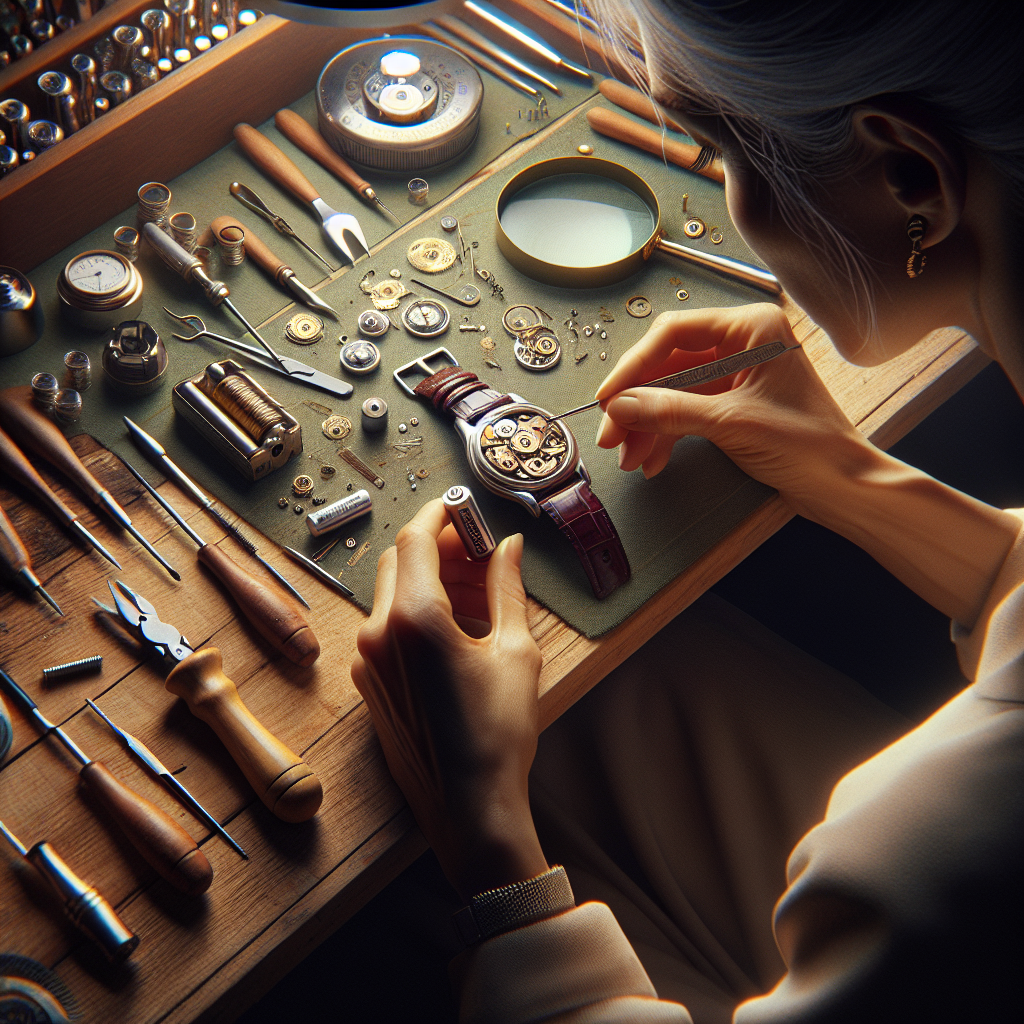
Watches are more than just timekeeping devices; they are an expression of style, a piece of technology, and in some cases, a family heirloom. Over time, however, the most crucial component of many watches—the battery—will inevitably need replacement. In this comprehensive guide, we’ll explore everything you need to know about battery replacement for watches, including when to replace, how to replace, and tips for maintaining your timepiece.
Understanding Watch Batteries
Types of Watch Movements
Before delving into battery replacement, it’s essential to understand the different types of watch movements:
-
Quartz Movement: These are battery-powered and are among the most common types of watches. Quartz movements are known for their accuracy and low maintenance requirements.
-
Automatic Movement: These watches are mechanical and wind themselves as you move your wrist. They do not require batteries but may need servicing.
-
Manual Movement: Similar to automatic watches but require manual winding to keep the time, these watches also do not require batteries.
Common Battery Types
Most quartz watches use standard batteries, typically categorized by their size and voltage:
- Silver Oxide Batteries: Known for better energy density and longevity, commonly used in watches.
- Lithium Batteries: Generally provide longer life and are used in more high-tech timepieces.
Check your watch’s manual or case back for specific battery type information.
Signs Your Watch Needs a Battery Replacement
Knowing when your watch needs a new battery can save you from potential damage and keep it functioning optimally. Here are the signs to watch for:
-
Inconsistency: If your watch starts losing time or stopping intermittently, it’s a strong indicator that the battery is low.
-
Second-Hand Stutter: Quartz watches usually tick once per second. If your second hand skips or jumps every few seconds, it may be time for a replacement.
-
Unresponsive Functions: If your watch has additional features like a stopwatch or backlight that stops working, this could be related to battery-related issues.
-
Date or Chronograph Issues: If the date feature fails to adjust properly, or if the chronograph stops working, it might be a sign of a dying battery.
How to Replace a Watch Battery
Tools You’ll Need
If you’re planning to replace the battery yourself, you’ll need specific tools:
- Screwdriver Set: A set with small precision screwdrivers is necessary to open the case.
- Tweezers: Useful for handling small components.
- Case Back Opener: Depending on the watch, a case knife or a case wrench may be required.
- Cleaning Cloth: To keep the components free of dust and oils.
Steps for Self-Replacement
-
Gather Information: Before beginning the process, consult your watch’s manual to understand any specific requirements.
-
Remove the Case Back: Use a case back opener to gently remove the back of the watch. Be careful not to scratch or damage the casing.
-
Remove the Old Battery: Note the orientation of the battery. Using your tweezers, carefully remove it from its compartment.
-
Insert the New Battery: Place the new battery in the same orientation as the old one. Ensure it is securely in place.
-
Replace the Case Back: Align the case back correctly and press or screw it back on. Make sure it is sealed properly to keep out dust and moisture.
-
Test the Watch: Turn it on to check that the second hand is moving and any additional functions operate correctly.
When to Seek Professional Help
While replacing a watch battery can be a straightforward DIY project, some watches—especially higher-end models—require a professional touch. If your watch is water-resistant, has specialized functions, or if you feel uncomfortable opening it, consult a professional watchmaker or jeweler.
Maintenance Tips for Your Timepiece
Once the battery replacement is complete, maintaining the overall health of your watch is crucial:
-
Regular Cleaning: Dust and dirt can affect the watch’s functionality. Gently clean your watch regularly using a soft cloth.
-
Keep Away from Extreme Temperatures: Extreme heat or cold can affect battery life. Try to store your watch in a stable environment.
-
Water Resistance: If your watch is rated for water resistance, ensure that seals are intact each time you open the case back. Regular servicing can help maintain this.
-
Routine Servicing: Even if a battery replacement is simple, consider taking your watch to a professional for a complete check-up every few years. They can examine all components, including the movement and seals.
Environmental Considerations
As electronics and batteries become increasingly scrutinized for environmental impact, consider these practices for disposing of old batteries responsibly:
-
Recycling Programs: Many retailers offer battery recycling programs. Check with local electronic retailers for opportunities.
-
Hazardous Waste Collection: Some communities have special collection points for hazardous materials, including batteries.
-
Avoid Landfill: Never throw batteries in regular trash as they can leak harmful substances into the environment.
Conclusion
Replacing the battery in your watch is a straightforward process that can extend your timepiece’s life significantly. Armed with the right tools and knowledge, you can perform this task effectively. However, if you’re ever in doubt, don’t hesitate to seek professional help.
By being proactive about battery replacement and general maintenance, you ensure that your beloved timepiece continues to serve you well for years to come. Whether you’re sporting a sleek modern chronograph or a vintage classic, taking care of your watch is an investment in both its functionality and style.