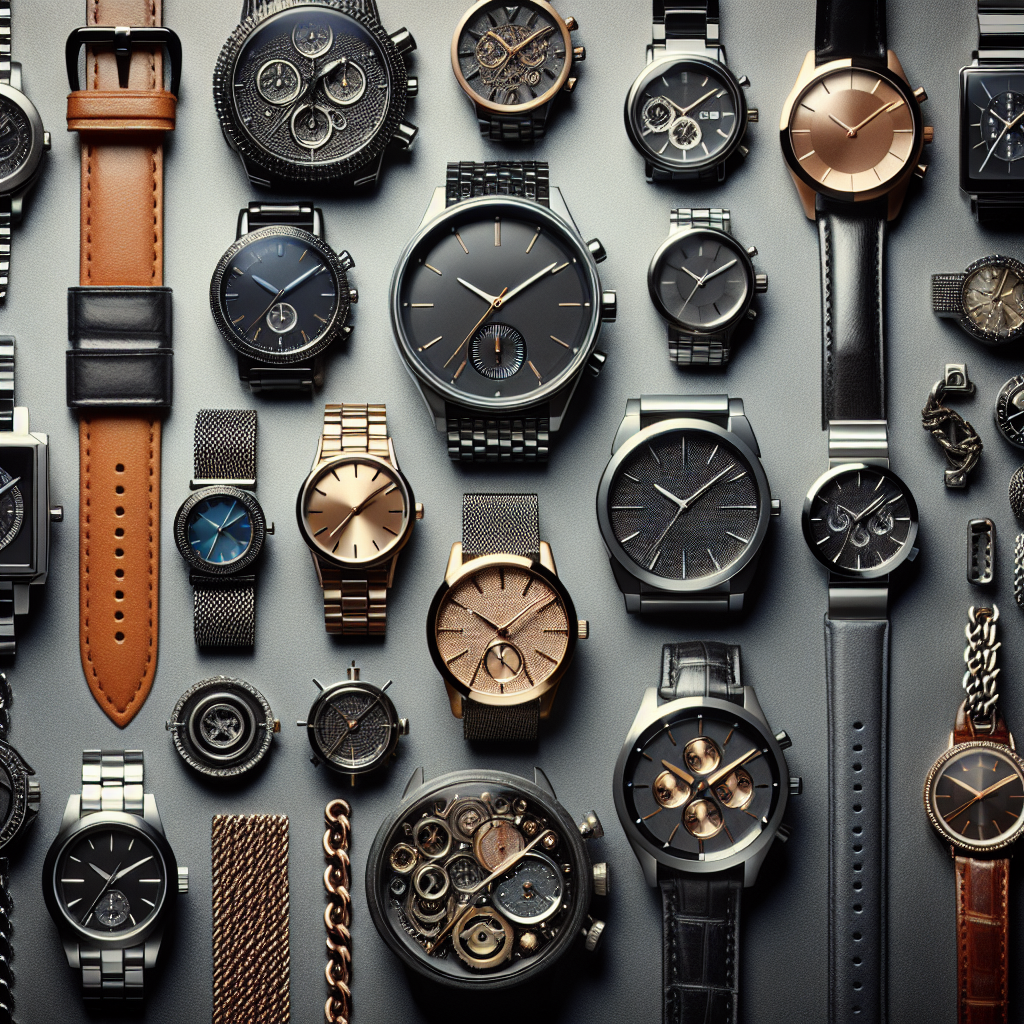
Introduction
The world of horology has transformed dramatically over the past few decades. From traditional mechanical timepieces to the rise of smartwatches, the landscape of watch design has evolved, reflecting technological advancements, changing consumer preferences, and a burgeoning fascination with vintage aesthetics. This article explores the journey from smart to classic, highlighting the key milestones in watch design and the factors influencing these shifts.
The Rise of Smartwatches
The introduction of smartwatches in the early 21st century marked a significant turning point in the watch industry. Brands like Apple, Samsung, and Garmin transformed the way we perceive watches, integrating technology that allows users to access notifications, track fitness, and even make phone calls. The Apple Watch, launched in 2015, quickly became a benchmark in this category, redefining functionality over form.
Features and Functionality
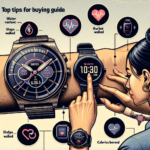
Smartwatches come equipped with an array of features that appeal to a tech-savvy audience. Heart rate monitors, GPS tracking, and customizable watch faces allow users to tailor their devices to their lifestyles. The integration of apps further enhances functionality, offering everything from banking to navigation. This technological leap opened up a new dialogue about the purpose of a watch: is it merely a tool to tell time, or has it become an extension of our smartphones?
Aesthetic Innovations
While functionality has been the primary selling point of smartwatches, aesthetics have also played a crucial role. Brands have focused on craftsmanship, using materials like aluminum, stainless steel, and ceramic to create visually appealing designs. Early iterations were often bulky, but as technology advanced, manufacturers have found ways to make these devices sleeker and more stylish.
The Resurgence of Classic Watches
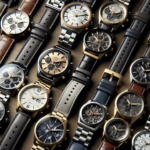
While smartwatches grabbed headlines and market share, the classic watch sector experienced a revival. Traditional luxury watchmakers like Rolex, Omega, and Patek Philippe have seen increased demand, especially among millennials and Gen Z consumers who are drawn to the timeless appeal of mechanical watches.
Emotional Connections
Classic watches evoke a sense of nostalgia and emotional resonance that smartwatches often lack. They are not just timekeepers; they are symbols of achievement, heritage, and craftsmanship. Brands like Rolex have mastered the art of storytelling, creating a rich narrative around their timepieces that makes them more than just functional accessories.
Craftsmanship and Heritage
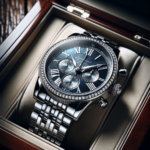
The allure of classic watches lies in their intricate craftsmanship. Mechanical movements, hand-assembled cases, and attention to detail are hallmarks of traditional timepieces. The artistry involved in creating these watches appeals to a market that values heritage, often justifying the high price tags associated with luxury brands.
Hybrid Watches: The Best of Both Worlds
As consumer preferences have evolved, a new category has emerged: hybrid watches. These devices blend traditional watchmaking with smart technology, appealing to those who appreciate the craftsmanship of mechanical watches but also crave the functionality of smartwatches.
What are Hybrid Watches?
Hybrid watches, such as those offered by brands like Garmin and Withings, typically feature analog displays with smart functionalities like activity tracking and notifications. This fusion allows consumers to enjoy the timeless look of a classic watch while benefiting from modern technology.
Market Potential
The hybrid sector represents a unique opportunity to capture both ends of the market. Millennials and Gen Z are increasingly interested in sustainability and durability, values that hybrid watches often embody. By extending the life cycle of a timepiece through a blend of traditional and smart features, hybrid watches cater to a new generation of environmentally conscious consumers.
The Shift in Consumer Preferences
The evolving landscape of watch design is not solely about technology; it also reflects broader societal trends. The desire for personalization, sustainability, and authentic experiences is reshaping consumer preferences.
Personalization and Customization
Today’s consumers seek personalized products that reflect their individual styles and values. In response, watch brands are offering customizable options, allowing customers to choose materials, colors, and even engravings. This trend echoes the broader move towards individualized consumer goods, where the significance of ownership transcends the mere purchase of a product.
Sustainability
With an increasing emphasis on environmental responsibility, consumers are gravitating towards brands that prioritize sustainable practices. Many traditional watchmakers are now incorporating eco-friendly materials and manufacturing processes. Brands like Seiko and Citizen are exploring solar-powered movements and recycled materials, bridging the gap between classic craftsmanship and modern sustainability.
The Design Language: From Minimalism to Opulence
As watch design continues to evolve, so do the aesthetics. We are witnessing a fascinating juxtaposition between minimalism and opulence in both smart and classic watches.
Minimalism
In the realm of smartwatches, there has been a push towards minimalistic design. Sleek lines, clean interfaces, and understated tones characterize many modern smartwatches. This trend resonates with consumers who value simplicity and efficiency, emphasizing functionality without overwhelming the user.
Opulence in Classics
On the other hand, luxury watch brands embrace opulence. Classic timepieces often highlight intricate complications, lavish materials, and elaborate designs. These elements serve to communicate status and prestige, appealing to consumers who appreciate the artistry and craftsmanship involved.
Conclusion
The journey from smart to classic in watch design encompasses an exciting tapestry of innovation and tradition. As smartwatches redefine functionality, classic timepieces maintain their timeless allure through craftsmanship, emotional connection, and heritage. Hybrid watches offer a bridge between these worlds, appealing to a generation that values both modernity and timelessness.
Ultimately, the evolving landscape of watch design reflects broader societal trends in personalization, sustainability, and aesthetic preferences. As we look to the future, it will be fascinating to witness how these dynamics continue to shape the world of horology, crafting a narrative that intertwines tradition with innovation.
In the end, whether smart, hybrid, or classic, each watch serves a purpose greater than just telling time; it embodies the stories, aspirations, and values of its wearer. As this journey unfolds, the watch remains an enduring symbol of human ingenuity and a testament to our ever-evolving relationship with time.