Automatic watches are a marvel of engineering, combining artistry with precision. Unlike quartz watches, which rely on batteries, automatic watches harness the energy generated by the wearer’s wrist movement, allowing them to operate continuously without manual winding—provided they are worn regularly. However, this intricate mechanism poses its own challenges, and proper care is essential for longevity. Here are essential tips to keep your automatic watch ticking beautifully for years to come.
Understanding Your Automatic Watch
Before diving into care tips, it’s crucial to understand how automatic watches function. They consist of a rotor that moves as you wear the watch, winding the mainspring, which in turn powers the watch. Though they are generally robust, automatic watches can be sensitive to environmental factors and physical shocks.
1. Regular Winding
For automatic watches that aren’t worn daily, winding them manually is essential. Wind your watch about 30-40 times to get it started. You can also invest in a watch winder if you own several timepieces. A watch winder keeps your automatic watch running when not worn, ensuring it is always ready to wear.
2. Keep It Clean
Dirt and grime can accumulate on your watch, affecting its appearance and performance. Use a soft, lint-free cloth to wipe down the case and bracelet regularly. For deeper cleaning, take your watch to a professional or follow your watchmaker’s guidelines based on the model.
Cleaning the Strap
- Metal Bracelets: Use a soft toothbrush and soapy water to clean metal links. Ensure to dry it thoroughly after cleaning to prevent water spots.
- Leather Straps: Leather can absorb moisture, so keep it dry. Occasionally, use a leather conditioner to maintain its suppleness.
3. Avoid Magnetism
Automatic movements are sensitive to magnetic fields, which can disrupt their accuracy. Keep your watch away from magnetized objects, such as speakers, refrigerators, and even some smartphones. If you notice your watch losing time, it may need demagnetization, which can be performed by a watch professional.
4. Water Resistance
If your automatic watch is water-resistant, it’s crucial to know its limits. Always check the gaskets and seals to ensure they are intact before exposing your watch to water. Even water-resistant watches require periodic pressure testing, typically every few years, to ensure they maintain their protective features.
5. Temperature Sensitivity
Extreme temperatures can impact your watch’s performance. Avoid exposing your watch to excessive heat or cold, as this can affect lubrication viscosity and precision. Ideally, store your watch in a temperature-controlled environment when not in use.
6. Avoid Physical Shocks
While designed to take some impact, automatic watches are still vulnerable to extreme shocks. Avoid activities that could risk damaging your watch, like sports with a high potential for heavy impacts (e.g., boxing or certain team sports). If you do wear your watch while participating in such activities, ensure it is sturdy and suitable for sports.
7. Service Regularly
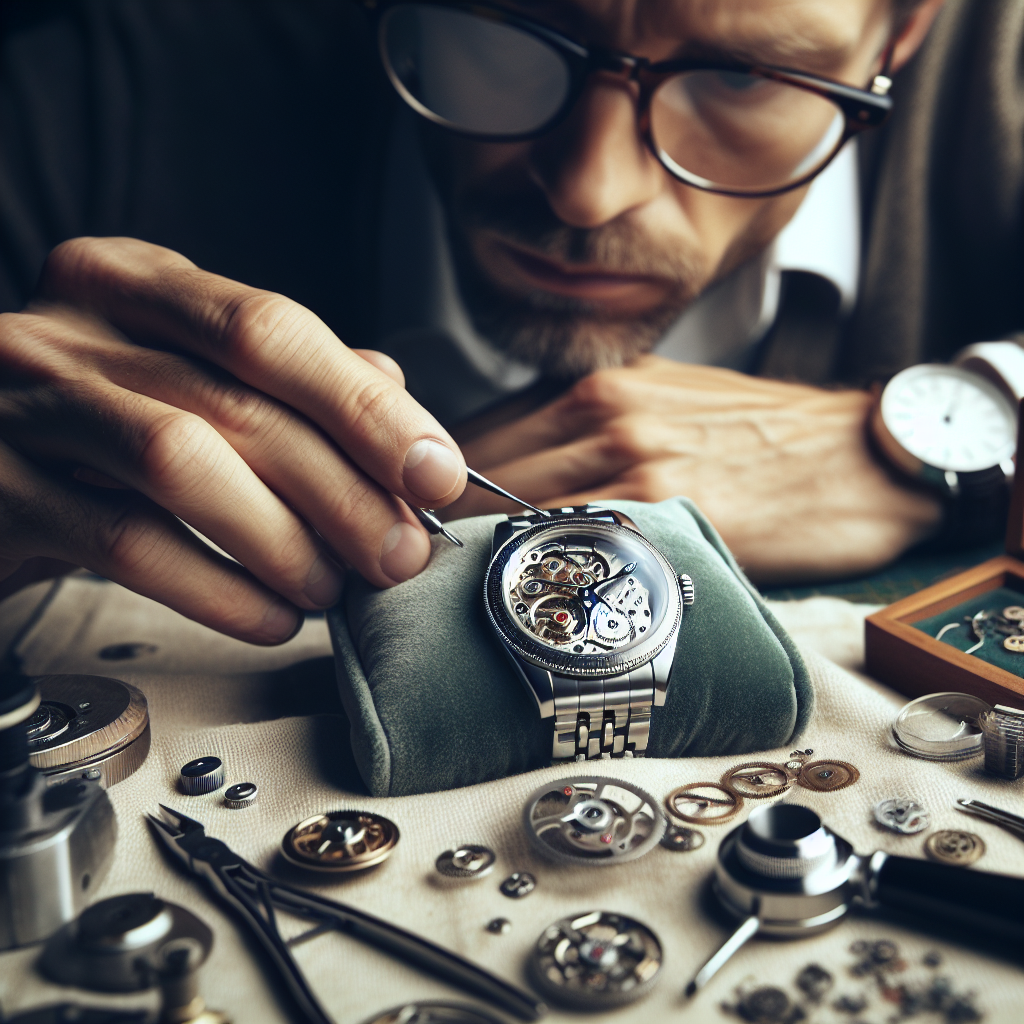
Just like a car, your automatic watch requires routine servicing to function optimally. Most manufacturers recommend a complete service every 3 to 5 years, which includes a thorough cleaning, lubrication, and adjustment. Regular servicing will extend the life of your watch and ensure it keeps accurate time.
8. Store Properly
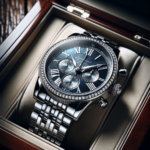
When you’re not wearing your watch, store it in a clean, dry place, ideally in a watch box or safe. Avoid direct sunlight, humidity, and extreme temperatures, which can degrade the materials over time. A designated watch case with soft interiors can also prevent scratches.
9. Be Mindful of Chemicals
Chemicals can cause damage to the materials of your watch. Avoid exposing your automatic watch to perfumes, lotions, and cleaning products. If your watch does come into contact with such substances, clean it promptly with a soft cloth to avoid any lasting damage.
10. Know When to Seek Professional Help
Don’t attempt to fix a malfunctioning watch yourself unless you are trained. If you notice that your watch is losing time, gaining time, or displaying erratic behavior, seek professional assistance immediately. Early detection and repair can prevent further damage.
11. Be Protective of the Crystal
The crystal covering the watch face can be susceptible to scratches. While sapphire crystals are incredibly durable, they’re not entirely scratch-proof. Use a protective cover or avoid wearing the watch in situations where it can be knocked or scraped against hard surfaces.
Conclusion
Owning an automatic watch is a rewarding experience, blending craftsmanship and functionality. To ensure that your investment lasts a lifetime, commit to proper care and maintenance. Follow these essential tips for routine winding, cleaning, and protective measures, and remember that good habits can significantly extend the life of your cherished timepiece.
With the right practices in place, your automatic watch will not only keep time but also serve as a constant reminder of the meticulous craftsmanship that went into its creation. So, wear it with pride, enjoy its artistry, and give it the care it deserves!