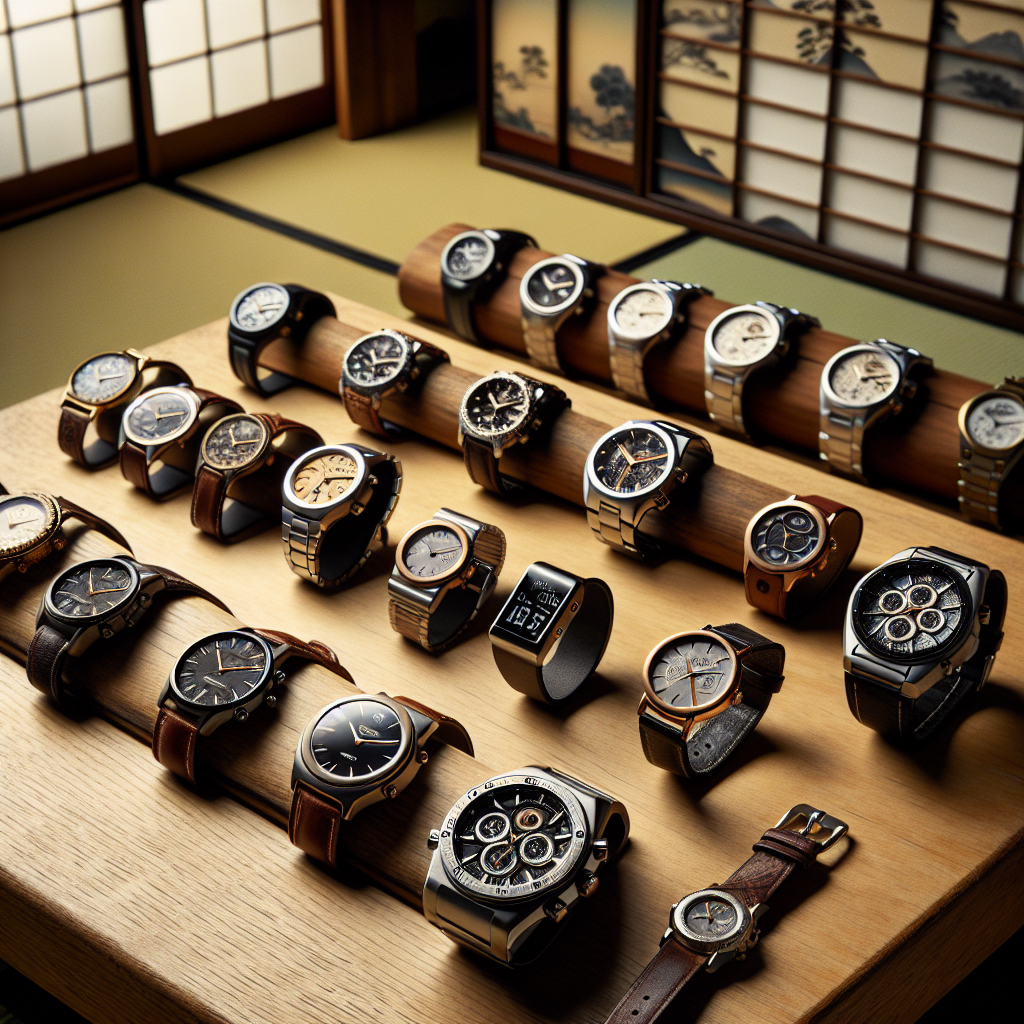
Japanese watchmaking is a captivating blend of artistry, precision, and innovation, reflecting the broader cultural and technological changes in Japan over the centuries. Though often overshadowed by Swiss craftsmanship, Japanese watches tell their own remarkable story of evolution, marked by significant influences from local traditions and global market dynamics. This article explores the rich history of Japanese watchmaking, highlighting key developments, iconic brands, and the ongoing significance of this craft in today’s world.
Early Beginnings: The Influence of Western Technology
The journey of Japanese watchmaking began in the early 19th century, influenced heavily by Western technology. Before this period, the Japanese had perfected their own methods of timekeeping with the use of water clocks and sundials, but these systems were not as accurate as their Western counterparts. The Meiji Restoration in 1868 marked a pivotal moment in Japanese history, as Japan sought to modernize and adopt Western practices.
In 1877, the government established the Tokyo Mechanical Clock Company, aiming to produce clocks that could compete with imported timepieces. This was the beginning of serious watch production in Japan, during which early craftspeople learned the intricacies of watch mechanics from Western experts. This period marked the transition from traditional timekeeping to modern horology, setting the foundation for future advancements.
The Rise of Domestic Brands
As the 20th century approached, domestic brands began to emerge, each contributing unique elements to the evolution of Japanese watchmaking. One of the first major players was Seiko, founded in 1881 by Kintaro Hattori. Initially a retail shop for watches and jewelry, Seiko started manufacturing its own timepieces in 1892.
Seiko’s early innovations were significant; they produced Japan’s first wristwatch and gained international recognition by creating the first quartz wristwatch in 1969. This marked a turning point for the brand and the industry, demonstrating Japan’s ability to compete on the world stage. The quartz watch revolution ultimately led to a decline in mechanical watches globally, but Japan embraced this change by focusing on technology and precision.
The Seiko Phenomenon
Seiko’s influence extends beyond mere timekeeping; it embodies a philosophy that blends art with technology. Seiko’s Grand Seiko line, launched in 1960, aimed to create a watch that could compete with Swiss luxury watches. Grand Seiko watches are known for their impeccable craftsmanship, aesthetic beauty, and excellent reliability.
The brand cemented its position in the luxury market with the introduction of the Spring Drive movement in 1999. This hybrid movement combined mechanical and quartz technologies, allowing for unprecedented accuracy and power reserve. Such innovations illustrate the Japanese dedication to enhancing traditional craftsmanship with cutting-edge technology.
Casio and the Advent of Digital Timekeeping
While Seiko focused on mechanical excellence, Casio revolutionized the industry by introducing digital watches. Founded in 1946, Casio began producing mechanical calculators but shifted to watches in the 1970s. The release of the Casio F-91W in 1989 epitomized the brand’s commitment to affordability and functionality.
Casio embraced innovation by incorporating features like calculators, games, and even music functionality into their watches. The G-Shock line, designed to withstand shocks, became a cultural icon in the 1980s. More than just timekeeping devices, G-Shocks transformed into lifestyle statements, celebrated for their durability and unique aesthetics.
The Cultural Significance of Japanese Watches
Japanese watchmaking is not just about precision; it also deeply intertwines with Japanese culture and aesthetics. Many artisans take inspiration from traditional Japanese art forms, such as lacquerware and textiles, to create unique timepieces. The minimalist design philosophy seen in brands like Citizen and Seiko resonates with Zen principles, emphasizing simplicity and beauty.
Limited-edition models often feature collaborations with artists, incorporating unique techniques like urushi (Japanese lacquer) or engravings that tell stories of heritage and craftsmanship. Such pieces not only serve as functional timepieces but also as works of art, translating cultural narratives into horological mastery.
Sustainability and Japanese Watchmaking
In recent years, there has been a growing emphasis on sustainable practices in the watch industry. Japanese brands are increasingly investing in eco-friendly materials and manufacturing processes. Citizen’s Eco-Drive technology, for instance, powers watches using light, eliminating the need for battery replacements and reducing environmental waste.
This sustainability movement aligns with broader global shifts towards more responsible consumption. Japanese watchmakers are experimenting with innovative materials, such as recycled metals and ecological leather, demonstrating a commitment to protecting both the craft and the planet.
The Global Influence of Japanese Watchmaking
As Japan’s watchmaking industry has matured, its influence has spread globally. The blend of craftsmanship, technology, and design principles has inspired a new generation of watchmakers around the world. Japanese techniques in micro-engineering and attention to detail have set benchmarks for quality, influencing even Swiss manufacturers.
Moreover, Japan’s “mono-zukuri” philosophy, which prioritizes craftsmanship and continuous improvement, has garnered respect worldwide. The meticulous nature of Japanese artisanship is now seen as a model for excellence in the broader manufacturing landscape, extending far beyond watches.
Challenges and Adaptations
Despite its successes, the Japanese watch industry faces challenges in a rapidly evolving market. The rising popularity of smartwatches has altered consumer preferences, pushing traditional timepiece makers to adapt. Many Japanese brands are beginning to incorporate smart technology into their designs while preserving the artistry that distinguishes them.
For example, Seiko and Citizen have launched models that combine traditional watch aesthetics with modern smart features, allowing users to maintain connectivity without sacrificing the craftsmanship they value. This cross-pollination of technology and tradition marks an exciting direction for Japanese watchmaking.
Conclusion: A Timeless Legacy
Japanese watchmaking is a story of evolution, showcasing resilience, adaptability, and a deep respect for tradition. From its modest beginnings influenced by Western technology to the global stature it holds today, Japan has established itself as a beacon of craftsmanship in the horological world.
As both design and technology continue to evolve, the essence of Japanese watchmaking—an unwavering commitment to quality, innovation, and cultural heritage—remains timeless. The future promises to honor this rich legacy while facing new challenges and opportunities, ensuring that Japanese watches will continue to be celebrated as timekeepers of tradition.