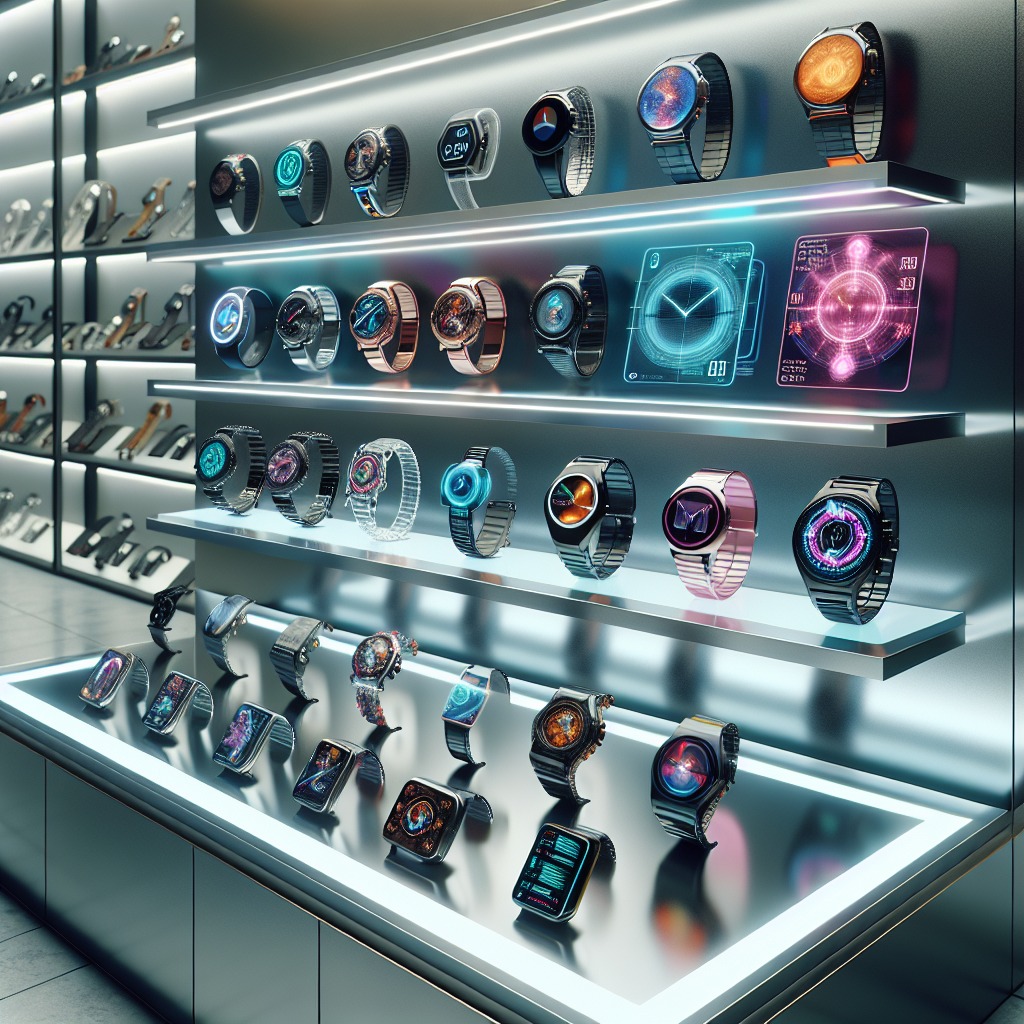
As we delve deeper into the 2020s, the horology industry is evolving at an unprecedented pace, driven by technological advancements, shifting consumer preferences, and an increasing focus on sustainability. The watchmaking landscape is set to transform dramatically as we approach 2026. Here’s a closer look at the trends that are poised to shape the future of wristwatches.
1. Sustainability Takes the Spotlight
Sustainability isn’t just a buzzword; it’s becoming a core principle for brands across industries, including luxury watches. By 2026, expect to see a significant number of brands adopting eco-friendly practices, from sourcing materials to manufacturing processes.
Recycled Materials
Many watchmakers are beginning to utilize recycled materials in their creations. This includes metals, such as recycled gold and silver, as well as alternatives to traditional leather, such as vegan leather or even innovative plant-based materials. Brands like IWC and Panerai are already leading the charge, and this trend will only grow, appealing to the environmentally conscious consumer.
Carbon Neutral Certification
More companies are also looking to achieve carbon neutrality, addressing their footprint and engaging in practices to ensure that their operations are as eco-friendly as possible. Custom initiatives, such as reforestation efforts, are likely to become essential components of brand identity.
2. Smartwatch Integration
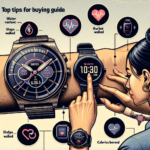
As technology continues to advance, the integration of smartwatch features in traditional timepieces is more prevalent than ever. By 2026, hybrid watches that offer both classic aesthetics and smart functionalities will dominate the market.
Enhanced User Experience
Expect advancements in wearables that seamlessly blend analog and digital elements, allowing collectors to enjoy the craftsmanship of a traditional watch while benefiting from modern features like fitness tracking, notifications, and more. Brands like TAG Heuer and Garmin have already set the stage, and this integration will broaden its appeal, particularly among younger consumers.
Software Updates
One of the attractive features of smartwatches is their ability to update software regularly. In the coming years, traditional watch manufacturers may adopt similar approaches, enabling users to enhance watch functionalities over time with new features, apps, or aesthetic designs.
3. Revival of Vintage Designs
Nostalgia continues to be a powerful force in consumer behavior, and the watch industry is no exception. By 2026, a significant trend will be the revival of vintage designs, as brands tap into their archives to inspire new collections.
Reissues and Tribute Collections
Expect to see many brands launching reissue collections that celebrate their historical designs and heritage. Omega’s Speedmaster and Seiko’s diver watches are excellent examples of this trend, which appeals to both collectors and newcomers. Brands are not just mimicking the past but are often incorporating modern technologies and materials to create hybrid models that appeal to contemporary tastes.
Artisan Craftsmanship
The rise in demand for unique and artisanal pieces will further push brands to emphasize handcrafted elements and limited editions, spotlighting the time-honored skills of watchmakers around the world. This traditional craftsmanship will resonate with those seeking a personal connection to their timepieces.
4. Bold Colors and Materials
As the watch market evolves, expect an unapologetic embrace of vibrant colors and innovative materials in watch design. By 2026, color and material will play a significant role in personal expression through timepieces.
Bright Hues
Colorful dials and straps are expected to become more mainstream, appealing to consumers who want a statement piece that stands out. Brands like Swatch and Casio have already led the charge, and many luxury brands are likely to follow suit with vibrant palettes in their collections.
Innovative Materials
Ceramics, titanium, and even carbon fibers will continue to gain traction. Expect noteworthy experiments with a mix of materials to develop lightweight yet durable watches that don’t compromise on style. The introduction of biocompatible materials may also become more prevalent, providing consumers with more safety-conscious options.
5. Tech-Infused Artistry
While tech-savvy designs may dominate in functionality, traditional art will still have a place in the realm of horology. By 2026, the balance of technology and artistry will present opportunities for new creative expressions.
Artistic Timepieces
More watchmakers will collaborate with artists from various fields—painting, sculpture, and more—to create limited-edition timepieces that serve as wearable art. This not only enhances the artistic element of watches but also creates demand for unique pieces in the market.
Customization Options
Brands might adopt advanced technologies to allow consumers to customize watches according to personal tastes. This could include customizable dials, casing colors, and strap choices, enabling a more personal connection with the timepieces.
6. The Rise of Gender-Neutral Timepieces
The watch industry is gradually shedding its traditional gender norms, with a rise in gender-neutral designs gaining traction. By 2026, many brands will likely embrace this inclusivity, creating watches that cater to a broad audience.
Unisex Designs
Expect to see collections designed for anyone, regardless of gender. This shift not only aligns with broader social changes but also opens up new markets for brands looking to expand their customer base.
Adjustable Sizes
Flexible sizing, allowing wearers to adjust their watches to fit personal preferences or different occasions, is likely to emerge as a significant trend. Brands that focus on versatility in styles and fits will appeal to a growing demographic seeking both functionality and fashion.
Conclusion
As we approach 2026, the watch industry is undergoing a thrilling metamorphosis. Sustainability, technological integration, vintage revivals, bold designs, artistic creations, and gender inclusivity are just the tip of the iceberg. Watch enthusiasts, collectors, and newcomers alike should keep a keen eye on these emerging trends, as they promise to redefine our relationship with timepieces in the years to come. The world of horology is not merely about telling time but reflecting personal style, values, and aspirations—creating a meaningful connection between humans and the art of watchmaking.