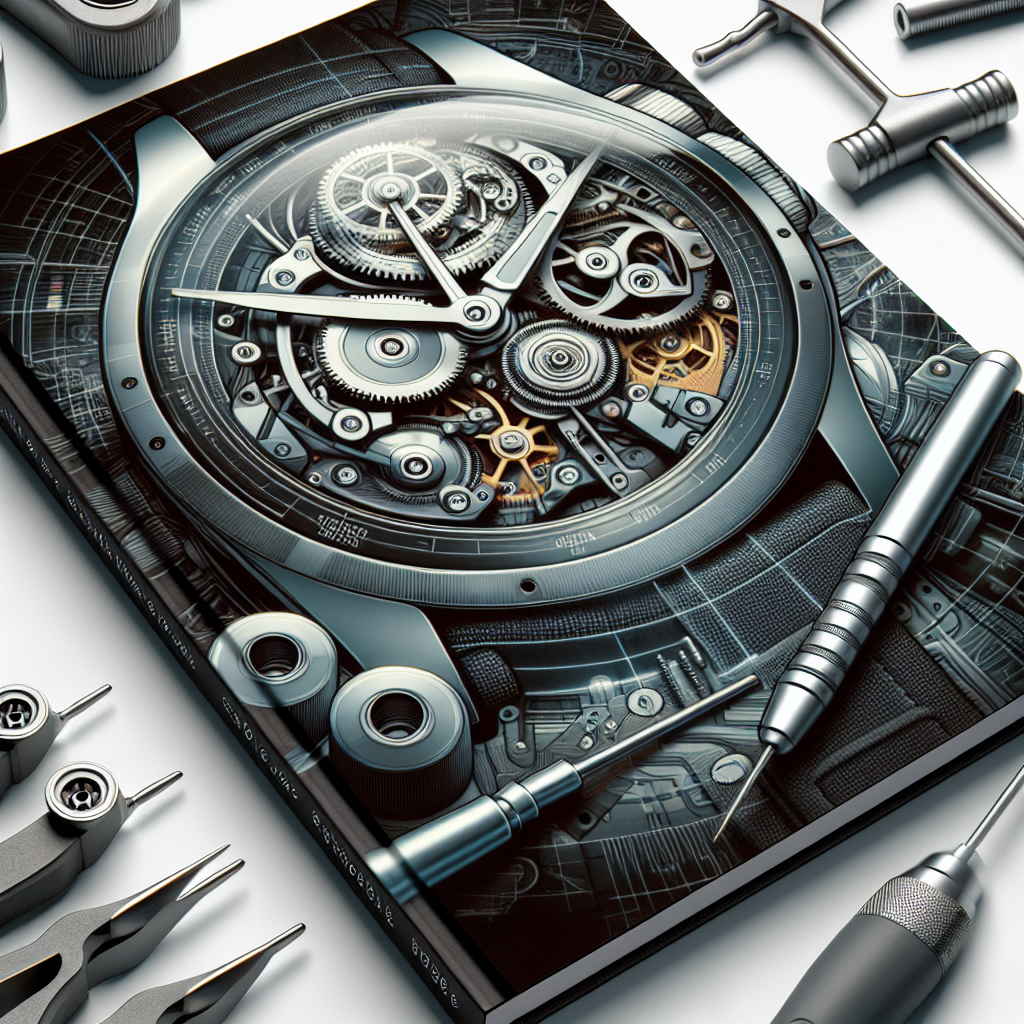
Watches have transcended their utilitarian function to become symbols of status, craftsmanship, and personal expression. Whether you own a luxury timepiece or a functional everyday watch, proper maintenance is essential not only for longevity but also for maintaining their beauty and value. In this comprehensive guide, we will explore watch maintenance practices, the state of the watch industry in 2026, and provide a detailed FAQ section to address your queries.
Understanding Watch Types
Before diving into maintenance, it’s crucial to understand the type of watch you own, as this influences the care it requires.
Mechanical Watches
Mechanical watches are powered by intricate gears and springs. They can be further divided into manual and automatic variations. These watches require regular servicing to ensure that the tiny components function seamlessly.
Quartz Watches
Quartz watches are battery-powered and generally require less maintenance than mechanical models. However, battery replacement and care for the casing and strap are still necessary.
Smartwatches
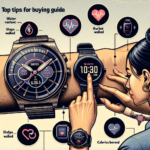
Smartwatches have introduced a new dynamic in watch care. They require software updates, battery management, and cleaning to keep them in peak condition.
Why Is Maintenance Important?
Regular maintenance prolongs the life of your watch and preserves its functionality and aesthetics. The benefits of maintaining your watch include:
- Longevity: Regular servicing can extend the life of a watch, especially mechanical types.
- Accuracy: Watch maintenance ensures that your timepiece keeps accurate time.
- Value Preservation: A well-maintained watch retains its value better than a neglected one.
- Hygiene: Regular cleaning eliminates dirt, sweat, and germs.
Watch Maintenance Best Practices
Here are some key best practices for maintaining your watch in 2026.
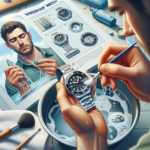
1. Cleaning Your Watch
Regardless of the type, your watch will accumulate dirt and grime. Here’s how to clean it:
- Quartz and Smartwatches: Use a microfiber cloth to wipe down the case and strap gently. Avoid using harsh chemicals.
- Mechanical Watches: If water-resistant, clean it similarly, but for deep cleaning, consult a professional to avoid damaging delicate components.
2. Battery Maintenance
For quartz and smartwatch owners:
- Battery Checks: Replace your battery every 1-3 years, depending on usage.
- Battery Life: If you notice performance lag, it might be time for a replacement, even if it’s not yet dead.
3. Regular Servicing
Mechanical watches require more care:
- Frequency: Have your mechanical watch serviced every 3-5 years by a professional, depending on brand specifications and wear.
- Lubrication: During servicing, the internal components should be cleaned and lubricated to prevent wear.
4. Storage
Storage is crucial:
- Watch Winder for Automatics: Use a watch winder to keep automatic watches running smoothly while not in use.
- Humidity Control: Store watches in a controlled environment; fluctuating humidity can damage watch mechanisms and straps.
5. Strap Care
Watch straps can show wear over time:
- Leather Straps: Clean with a damp cloth and allow to air dry, avoiding direct sunlight.
- Metal Straps: Use a soft brush to reach in between links and keep them polished.
- Fabric Straps: Handwash gently, and air dry to maintain the fabric integrity.
The State of Watch Maintenance in 2026
In 2026, watch maintenance technology has advanced significantly. Here are some noteworthy trends:
Smart Diagnostic Tools
Smartwatches now feature built-in diagnostic tools that alert users to battery life, performance degradation, and software updates. This technology has made it easier for users to track when their devices require maintenance.
Sustainable Practices
With a growing emphasis on sustainability, watch brands are now focusing on eco-friendly materials and processes. Many offer recycling programs for old parts, reflecting a broader industry shift toward sustainability.
Enhanced Online Services
Many luxury brands have developed platforms for users to book maintenance services online, making it easier to keep track of servicing schedules and history.
When to Consider Professional Help
Some issues require professional expertise:
- Moisture Intrusion: If your watch has been exposed to moisture, seek immediate help to prevent damage.
- Mechanical Issues: Irregularities in ticking or power reserve indicate that professional servicing is necessary.
- Physical Damage: Cracked crystals or damaged straps should be addressed by a trained watchmaker.
FAQs
1. How often should I service my mechanical watch?
You should aim to service your mechanical watch every 3-5 years. However, frequency may vary based on wear and the manufacturer’s recommendations.
2. Can I clean my watch myself?
Yes, you can clean your watch at home. Use a microfiber cloth and mild soap for the case and strap, but consult a professional for deep cleaning, especially for mechanical watches.
3. How do I know if my watch needs a new battery?
Signs your quartz or smartwatch may need a new battery include erratic timekeeping, a blank display, or sudden shut-offs.
4. What should I do if my watch gets wet?
If your watch, especially a mechanical one, gets wet, remove it immediately from moisture and consult a watchmaker to assess any potential damage.
5. How can I store my watch properly?
Store your watch in a cool, dry place, ideally in its original box or a dedicated watch case. Consider using a watch winder for automatics.
6. Are smartwatches easier to maintain than regular watches?
Generally, yes. Smartwatches require less mechanical maintenance but need regular software updates and battery replacements.
7. How do I maintain a leather watch strap?
Clean your leather strap using a damp cloth, and let it air dry. Avoid soaking it and keep it away from direct sunlight to prevent damage.
8. Can polishing a watch damage it?
Improper polishing can scratch or damage the watch surface. For valuable timepieces, it’s best to seek a professional for polishing.
Conclusion
Proper maintenance of your watch is vital for ensuring its longevity, performance, and aesthetic appeal. By following the best practices outlined in this guide, and staying informed about the latest trends in watch care, you can enjoy your timepiece for years to come. Whether it’s a mechanical marvel, a quartz powerhouse, or a cutting-edge smartwatch, give your watch the care it deserves, and it will return the favor by faithfully serving you through time.