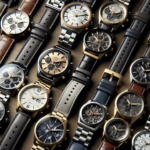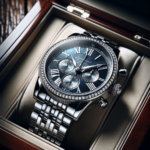

The world of horology is ever-evolving, with styles, functionalities, and technologies that shift with the sands of time. As we look ahead to 2026, several trends are set to shape the watch industry, reflecting not only advancements in technology and design but also changes in consumer preferences. From sustainable materials and smart innovations to revival of vintage styles, 2026 promises to be an exciting year for watch enthusiasts.
1. Sustainable Luxury
In recent years, sustainability has emerged as a major trend across various sectors, and the watch industry is no exception. By 2026, we expect to see an even greater commitment to eco-friendly practices. Many brands are opting for sustainable materials, including recycled metals, biodegradable plastics, and ethically sourced gemstones.
Watches made from environmentally sustainable materials not only appeal to the eco-conscious consumer but also showcase a company’s commitment to corporate social responsibility. Luxury brands like OMEGA have already made strides in this direction, with collections that utilize reclaimed metals and ocean plastics, and this trend is expected to grow.
2. Smart and Connected Timepieces
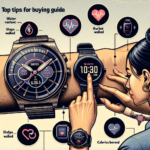
Smartwatches invaded the traditional watch market and, by 2026, they will have reached a new zenith of sophistication. Consumers now demand more than just timekeeping; they seek features that integrate seamlessly into their lives. Enhanced health-tracking capabilities, sleep monitoring, and even mental health assessments will likely become standard.
Major players like Apple, Garmin, and Samsung will continue to innovate, potentially offering features that support mental wellness, advanced navigation, and personalized fitness coaching. The hybrid design—blending traditional aesthetics with smart functionality—will become increasingly prevalent, attracting those who love classic watch designs but crave modern features.
3. Enhanced Customization
Customization is a trend that’s gaining momentum across various consumer markets, and watches are no exception. By 2026, we expect to see brands offering an unprecedented level of personalization. Whether it’s through interchangeable bands, customizable dials, or even engraving options, the idea is to make each timepiece a unique statement of individuality.
Companies like Swatch and TAG Heuer already provide consumers with the option to design their own watches. Expect even more brands to follow suit, offering virtual apps where consumers can design their dream timepiece from the comfort of their homes.
4. Vintage Revival
Nostalgic returns are set to reign in 2026, particularly with the rise of vintage-style watches. Younger generations, particularly Millennials and Gen Z, are drawn to retro aesthetics, characterized by designs and trends from the mid to late 20th century.
Brands like Seiko, Longines, and Omega are known for their heritage pieces, and reissues of iconic models will attract collectors and new enthusiasts alike. Expect watches with classic color palettes, sizes, and even old-school features like manual winding mechanisms to make a strong comeback.
5. Minimalism Meets Maximalism
The design language of watches is becoming increasingly diverse, with two distinct styles taking the forefront: minimalistic designs and bold, maximalist statements. Minimalism continues to appeal with its clean lines, unembellished faces, and simplicity. Brands like Daniel Wellington have capitalized on this trend with sleek timepieces that focus on elegance and versatility, making them suitable for every occasion.
On the other end of the spectrum, maximalism is embracing bold colors, intricate designs, and unique textures. Think oversized cases, vibrant dials, and ornate embellishments. This trend allows individuals to express their personality and style through dramatic watches.
6. Advanced Materials in Watchmaking
Innovation in materials will play a pivotal role in shaping the future of watches. By 2026, we can expect to see more brands incorporating advanced materials that enhance functionality, durability, and aesthetic appeal. For instance, ceramics will gain popularity for their scratch-resistance and contemporary look, while titanium will be sought after for its lightweight nature and strength.
Additionally, new developments in smart materials may mean that watches can adapt to different environments—for instance, color-changing features or temperature-responsive cases. This trend will attract tech-savvy consumers looking for unique and innovative timepieces that stand out.
7. Focus on Health and Wellness
As society places greater emphasis on health and well-being, watches that focus on health monitoring will continue to ascend in popularity. By 2026, we anticipate watches that go beyond basic step tracking to include advanced health metrics, such as blood glucose levels, hydration reminders, and perhaps even stress level assessments through biometric readings.
Brands that prioritize these health features will likely find a loyal customer base among fitness enthusiasts and health-conscious individuals. Moreover, this trend aligns well with the broader push toward holistic wellness.
FAQs
1. What are the key features to look for in a sustainable watch?
When searching for a sustainable watch, look for brands that use recycled materials, such as stainless steel, reclaimed plastics, or ethically sourced stones. Certifications from organizations like the Responsible Jewelry Council can also indicate adherence to sustainable practices.
2. Are smartwatches becoming more like traditional watches?
Yes, many brands are merging the aesthetics of traditional watches with smart functionalities. You’ll find hybrid models that maintain a classic look while offering advanced tech features like fitness tracking and notifications.
3. What does the customization trend mean for consumers?
Customization allows consumers to express their individuality by choosing elements like watch faces, materials, and bands. This personalized approach is becoming more common, making it easier for you to find or create a watch that truly represents your style.
4. Is the vintage watch trend only for collectors?
While vintage watches appeal to collectors, the designs are also attractive to younger audiences who appreciate retro aesthetics. Many brands are reissuing popular vintage models, making them accessible to a broader consumer base.
5. Will health and wellness features be standard in future watches?
As technology evolves, there is a strong likelihood that advanced health monitoring will become a standard feature in many watches, particularly smartwatches. Brands are increasingly focusing on health-conscious consumers, making it a key selling point.
In conclusion, the watch industry is set for an exciting transformation by 2026, driven by sustainability, technology, customization, and a blend of design aesthetics. Whether you’re a collector or a casual wearer, these trends reflect our changing values and lifestyles, making it an exhilarating time to be a part of the horological world.